Last updated November 22, 2026
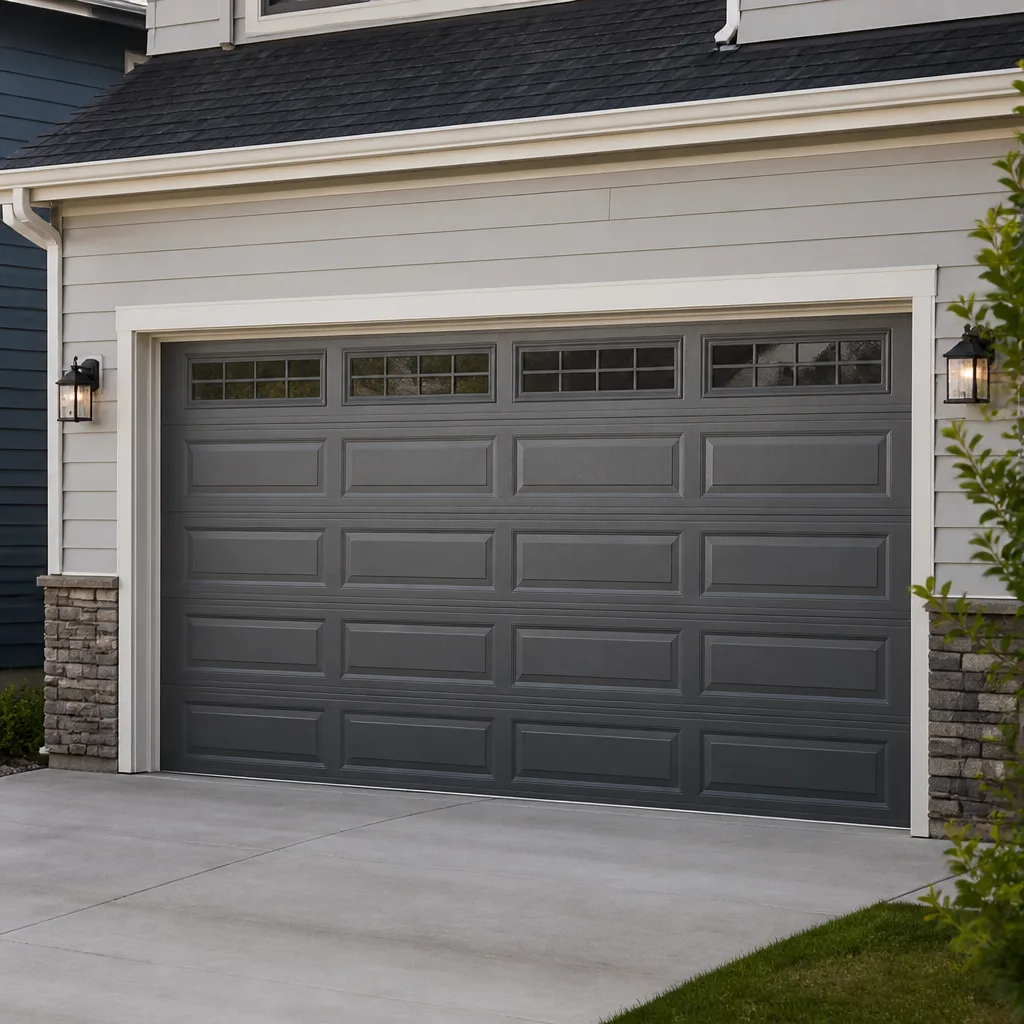 Raised-panel steel
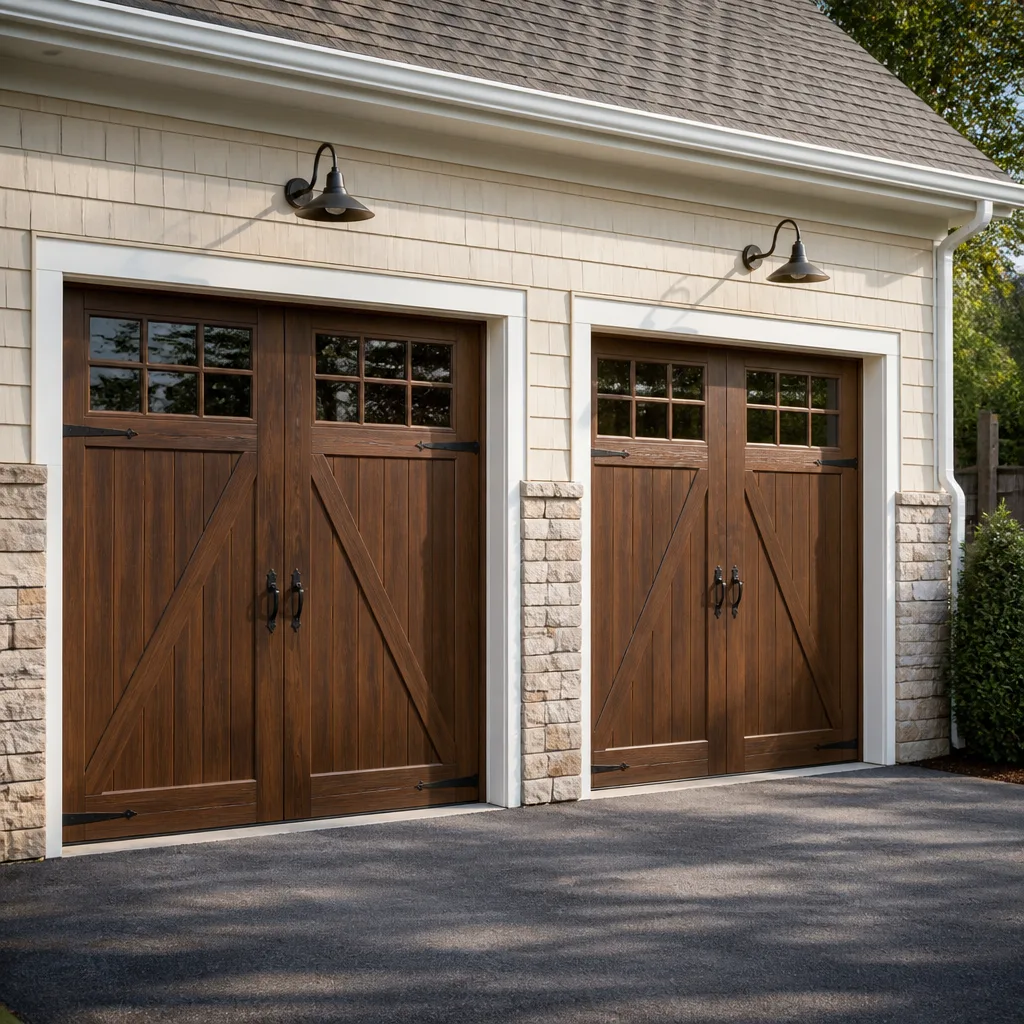 Carriage house
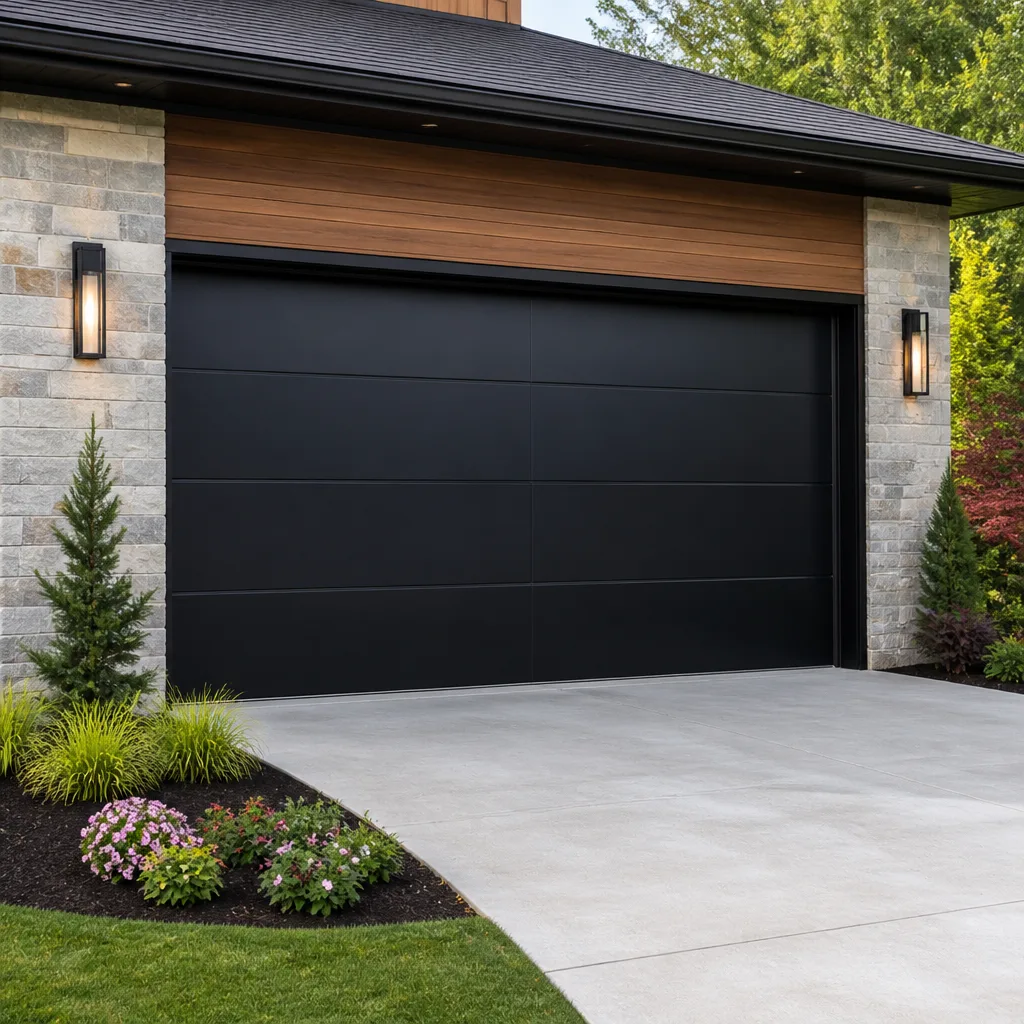 Modern flush
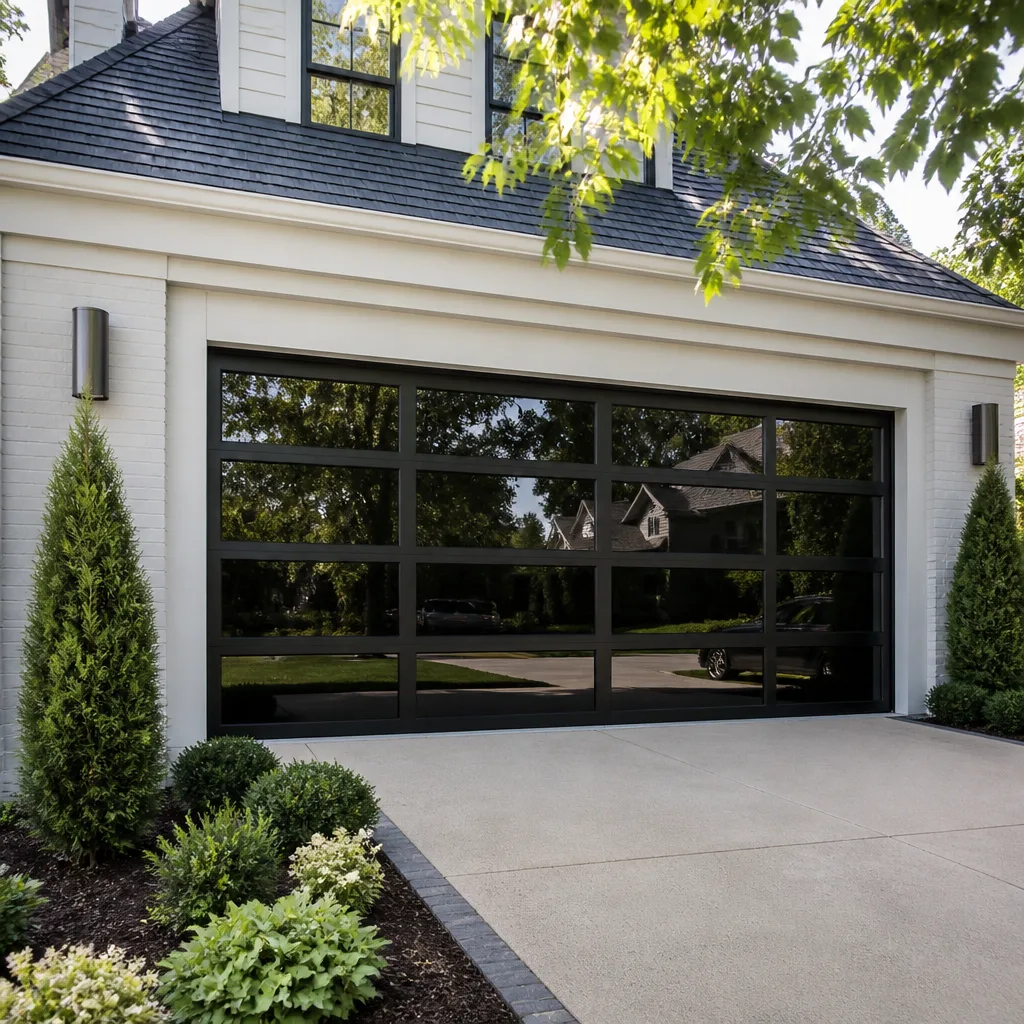 Full-view glass
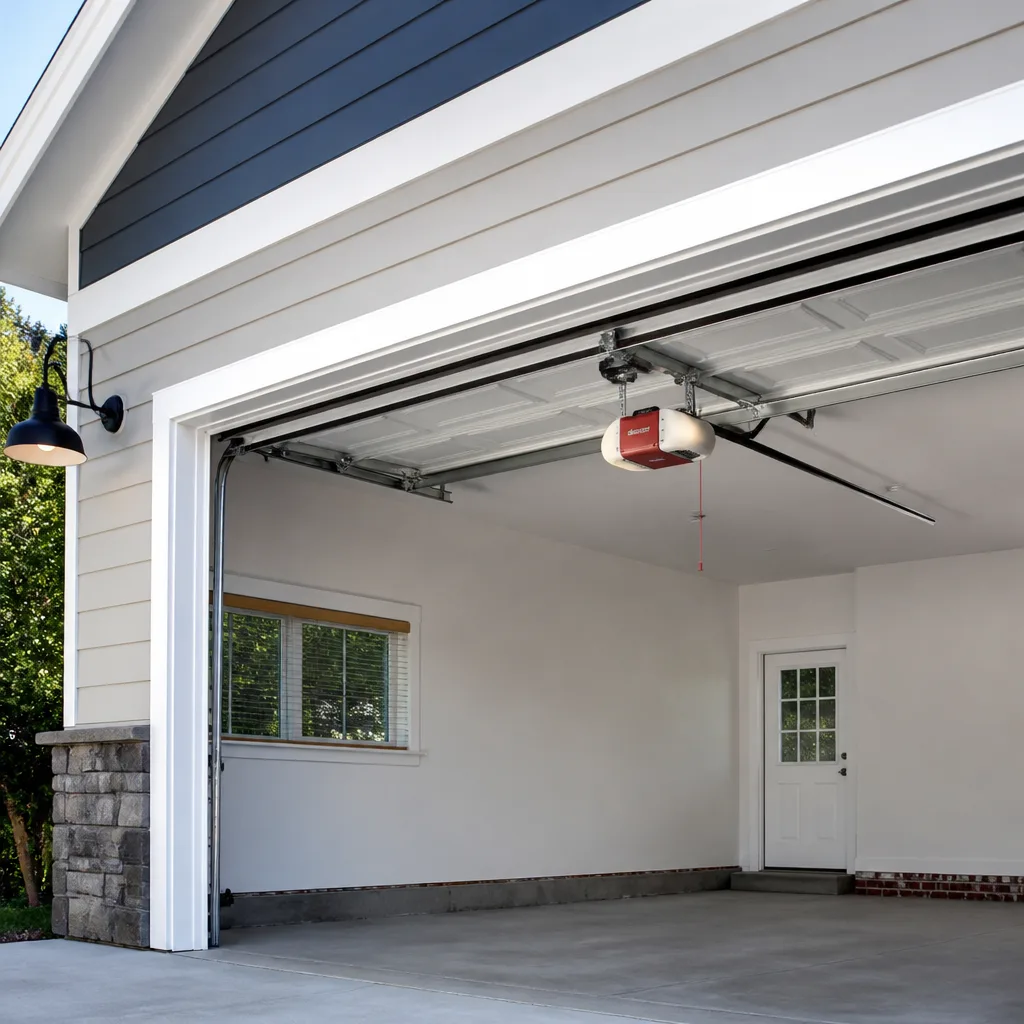 LiftMaster openers
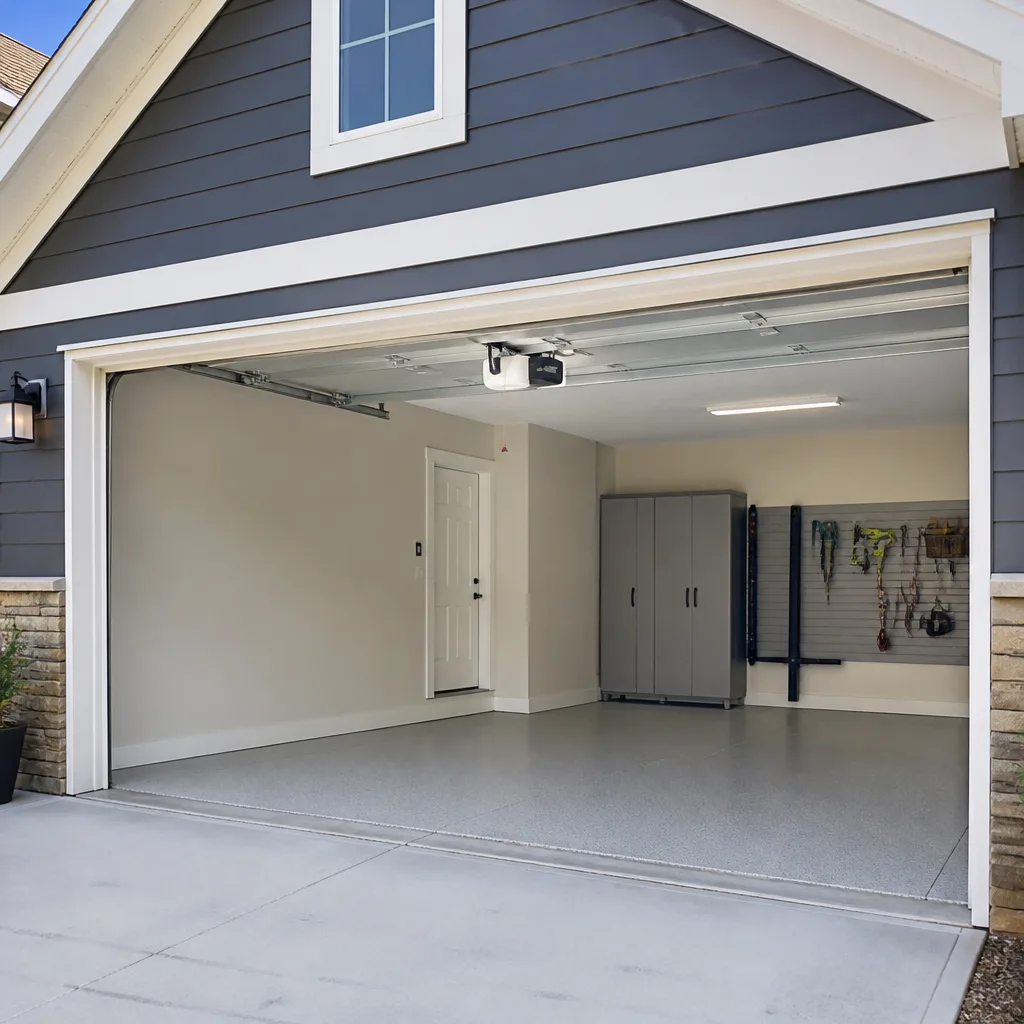 Chamberlain openers
Full 25-point door and opener safety check with every visit - springs, cables, rollers, tracks, and your LiftMaster or Chamberlain opener included
You get a price before we start. It does not change when the pro arrives.
Get your free estimateGarage Door Permits, Codes & Inspections in St. Charles, MO: What You Need to Know
Most people assume a garage door is a fixture, not a construction project, so surely nobody pulls paperwork for one. That assumption causes problems at resale more often than anyone expects. When a St. Charles home goes on the market, a home inspector can spot an unpermitted door replacement, an altered header, or a new opener wired without an inspection, and a buyer’s lender can hold up closing until the record is squared. This guide explains exactly which garage door work requires a permit in St. Charles and unincorporated St. Charles County, where the wind-load rules come from, and how to pull a permit without taking on more liability than you should. If you’re planning a project, start here before you sign anything.
Quick Answer
In St. Charles, a permit is typically required for a full garage door replacement, any structural work to the rough opening or header above the door, and any new electrical circuit run for an opener. Simple repairs like spring replacement, cable replacement, roller service, and opener troubleshooting generally do not require a permit. Rules differ between the city of St. Charles and unincorporated St. Charles County, so always confirm the specifics with the building department that has jurisdiction over your address.
Styles & brands we work with
- Raised-panel steel
- Carriage house
- Modern flush
- Full-view glass
- LiftMaster openers
- Chamberlain openers
Table of Contents
- What Garage Door Work Requires a Permit in St. Charles?
- City of St. Charles vs. Unincorporated St. Charles County
- When Does a Replacement Trigger a Header Inspection?
- Opener Circuits: When You Need a Dedicated 20-Amp Circuit
- Wind-Load Codes and Tornado Bracing in St. Charles
- Pulling a Permit Yourself vs. Having a Contractor Do It
- The Inspection Process, Step by Step
- How to Avoid Permit Problems at Resale
What Garage Door Work Requires a Permit in St. Charles?
Here’s the short version: repairs rarely need one, replacements and structural changes usually do. In our experience across St. Charles jobs, homeowners are often surprised which direction a project falls. Swapping a snapped torsion spring is maintenance. Cutting into the rough opening to make a new door fit is construction, and the building department wants to see it.
These projects typically require a permit in St. Charles and in unincorporated St. Charles County. Confirm with the building department that covers your address, because the two do not always interpret or publish the same checklist:
- Full garage door replacement when the new door has a different size, weight, or material than the original
- Any modification to the rough opening or header, including widening, raising, or reframing
- Adding a new electrical circuit for an opener where one didn’t exist, or converting an existing outlet into a dedicated circuit
- Structural reinforcement to brick, block, or any masonry surround
- New construction or an attached garage addition where the garage door is part of the rough opening scope
These usually don’t require a permit on their own:
- Spring replacement (we handle this through garage door spring repair)
- Cable, roller, hinge, and track repair
- Opener repair or like-for-like opener swap that reuses existing wiring
- Weather seal, bottom rubber, and trim replacement
- Routine garage door repair on the door and hardware
When in doubt, a two-minute call to the St. Charles building department beats discovering the issue during a home inspection. Ask the question in writing, too. An email reply is documentation you can produce at closing.
City of St. Charles vs. Unincorporated St. Charles County
St. Charles is not one uniform jurisdiction. The city of St. Charles has its own building department, its own permit forms, its own inspection schedule, and its own fee structure. Unincorporated St. Charles County addresses are handled by St. Charles County’s building division. The rules overlap significantly but not perfectly, and the practical differences are what trip people up.
Here’s what to check with whichever jurisdiction covers your address:
- Which permits they issue for garage door replacements vs. rough opening changes vs. opers
- Which inspections apply – rough framing inspection before the door goes in, final inspection after
- Fees and turnaround – the number is modest relative to the door, but the review time matters if you’re on a schedule
- Who can pull the permit – some municipalities let a licensed contractor pull on the homeowner’s behalf; some allow homeowner permits for owner-occupied, single-family homes; some restrict both
- Plan submission requirements – a door spec sheet is usually enough; a header change may need a drawing
We run into this divide constantly in St. Charles because the city boundary runs through so many established neighborhoods. A homeowner on one side of a street may file with the city while a homeowner a block further out files with the county. There is no shortcut around confirming your specific address.
If your address falls outside the city limits, the county is your authority. If it falls inside, the city is. Ask the dispatcher when you call the building department, and write down the name of the person who gives you the answer, along with the date. Inspectors rotate and interpretations can differ, so documentation protects you.
When Does a Replacement Trigger a Header Inspection?
A full door replacement alone often does not trigger a structural header inspection. What triggers it is any change to the rough opening itself. If you’re replacing a door with the same dimensions and the same mounting, the header doesn’t enter the picture. If you’re reworking the opening for a wider door, a taller door, a heavier door, or a different style, the inspector wants to see the framing that carries the load above.
Here’s what inspectors are actually looking for in a Missouri garage door rough opening:
- Header sizing – is the load-bearing beam above the opening sized for the span and the load it carries, including roof and siding above?
- Fastening – are the header and trimmers fastened with the correct nails, screws, or hangers, and are joist hangers and structural connectors installed as the drawings show?
- Jack studs and king studs – are the vertical supports present on both sides, and are they attached to the header properly?
- Blocking and backing – is there solid wood backing for the torsion bar, spring anchor plate, and track mounting, or is hardware being screwed into drywall or veneer?
- Moisture and flashing at the sill – is the sill pan and threshold flashing detailed so water sheds outward?
- Alignment with the wall above – is the header flush and square with the surrounding wall so the door operates without binding?
This is where the framing matters more than the door itself. A poorly supported spring anchor plate is a safety issue, and a header that was cut without engineering oversight can compromise the wall. Spring and cable work belongs to a trained technician, and we handle that side of the job through spring repair with the right tooling and safety procedures. On the framing side, if a project requires header changes, the inspection is your chance to have the structure verified before the door goes up.
Opener Circuits: When You Need a Dedicated 20-Amp Circuit
A garage door opener is a motor with a brain, and the National Electrical Code (NEC) has expectations about how it’s powered. A dedicated 20-amp circuit is commonly required when you’re running a new circuit specifically for the opener, particularly when the opener is on a separate breaker from the rest of the garage. If you’re simply replacing an opener on existing wiring that already has its own breaker, you generally do not need a new circuit or a new permit.
In our experience, here’s how it usually breaks down for St. Charles homes:
- New construction or a garage addition – dedicated circuit is standard. The electrician runs it, and it’s inspected with the rest of the rough electrical.
- Converting an existing shared outlet – if the opener is currently plugged into a circuit shared with lights or receptacles, converting that to dedicated is often worthwhile but not always mandated unless local amendment requires it.
- Like-for-like opener replacement – no new circuit, no permit. Reuse the existing wiring and breaker.
- New opener installed where there was none – a new circuit likely requires a permit regardless of amperage choice.
Specific requirements can vary by the adopted version of the NEC and any local amendments. Check with the St. Charles building department for the version they’ve adopted, and if an electrician is involved, ask that the circuit size be confirmed in the permit application. It saves you a correction later. We do the opener side of the job through garage door opener repair, and where a new circuit is required, we’ll flag it before any wiring gets touched so the electrician and the permit are sequenced correctly.
Modern openers (LiftMaster and Chamberlain are the two we install most often) have their own wiring specifics, including safety-eye conductors, wall control, and battery backup options. The opener’s manual is the final word on circuit size, and it’s worth reading before signing off on the electrician’s plan.
Wind-Load Codes and Tornado Bracing in St. Charles
St. Charles sits squarely in Missouri’s tornado belt, and that affects the doors themselves. The building code now looks at garage doors as part of the building envelope during high-wind events, and on new installations, the door and its bracing need to be rated for the design wind speed of the area. St. Charles falls in a zone where that design wind speed is typically higher than the national baseline, meaning a builder-grade door without wind-load reinforcement may not pass inspection.
What “wind-load rated” actually means in practice:
- Reinforced struts – horizontal or vertical struts add stiffness across the door panels
- Heavier hinges and rollers – the hardware needs to hold up when the door flexes
- Rated glazing – windows in the door need impact or wind-rated glass if the door has any glazing
- Anchorage details – the tracks and spring anchor plate are fastened to structure that can carry the load, not just sheathing
- Door manufacturer paperwork – the installer should provide documentation showing the door meets the applicable wind-load requirements
If you’re replacing a door in St. Charles and it’s more than a couple of decades old, the new door almost certainly needs to meet a higher wind-load requirement than the one it’s replacing. That’s not the installer upselling you. It’s the code having moved. Clopay and Raynor both offer wind-load-rated configurations, and matching the right door to your opening is part of what we do.
Wind-load ratings are specific to the door, the opening size, and the manufacturer’s testing. Always ask for the manufacturer’s documentation when the door is ordered, and have it handy for the inspector. A permit that requires wind-load compliance is easiest to satisfy when the paperwork is in hand before the door arrives.
Pulling a Permit Yourself vs. Having a Contractor Do It
You can pull a garage door permit yourself in many cases, particularly for an owner-occupied single-family home in St. Charles. Whether you should is a different question. The philosophy at every building department is that whoever pulls the permit takes responsibility for the work being code-compliant. If you pull it and the work doesn’t pass, the correction, reinspection, and potential enforcement action route back to you, the named permit holder. That’s true even if the person who did the work was someone else.
Here’s the practical comparison:
- Homeowner pull – lower cost on the permit itself, but you take on the liability for code compliance, the scheduling of inspections, and the correction of any issues. If something goes wrong, the record shows you as the responsible party.
- Contractor pull – the licensed contractor takes on the code compliance role, schedules inspections, and works through corrections. Your exposure as a homeowner is narrower. This is what most homeowners choose when the project involves structural or electrical elements.
Which creates less liability exposure? Almost always the contractor route, particularly if the project touches the header, the electrical circuit, or the wind-load documentation. Those are the elements most likely to draw corrections, and corrections are annoying when you’re the permit holder and easy when the contractor is.
For a straightforward door replacement where nothing structural changes, a homeowner permit can make sense if your city allows it. For anything beyond that, we’d recommend the contractor pull it. When we quote a new installation, the conversation about garage door installation includes who pulls the permit and what the inspections require. That’s part of the written estimate, not an add-on after the fact.
The Inspection Process, Step by Step
How many inspections you get depends on what your permit covers. A replacement with no structural change may need only a final inspection. A project with rough opening work or a new electrical circuit usually has two. Here’s how it typically runs for a St. Charles job:
- Permit application – submit the form, door spec sheet, and any drawings for the rough opening or electrical scope. The building department reviews and issues the permit.
- Rough framing inspection (if applicable) – performed after the header, jack studs, king studs, and blocking are in place and before the door or drywall goes up. The inspector checks sizing, connections, and backup for hardware.
- Rough electrical inspection (if applicable) – performed after the circuit is run but before the drywall is closed, if the wall is open. If the circuit is surface-run or in already-finished walls, the inspection is at final.
- Door and hardware installation – the door, tracks, springs, and opener go in. This is when the wind-load documentation should already be on-site.
- Final inspection – inspector verifies the door operates, hardware is secured to structure, the opener circuit is correct, and the door meets the requirements of the approved permit.
- Permit closeout – the building department closes the permit. This is the record that protects you at resale.
Scheduling timing varies with the building department’s workload, so factor that into your project timeline. If you’re working around a covenant or HOA timeline, plan for a couple of weeks either side. The permit closeout is what matters most for a title company or a buyer’s lender. A closed permit means the work was inspected and approved, not just completed.
How to Avoid Permit Problems at Resale
Unpermitted work is the most common surprise we see when a St. Charles homeowner calls us during a sale. The door works fine, it’s been on the house for years, and then a buyer’s inspector notices something about the framing or the wiring and asks for the permit history. At that point a retroactive permit process begins, and that can push closing back by weeks.
What can you do now to prevent that?
- Find your permit record – if a garage door was replaced before you bought the house, ask the seller or the title company for the permit history. Most building departments can search by address.
- If there’s no record, ask the building department what a retroactive permit requires – often it means an inspection of the as-built work, with corrections if the framing or electrical is not compliant.
- Keep door documentation – the manufacturer’s spec sheet, wind-load documentation, and any warranty information. This is what an inspector needs to verify new-installation compliance.
- Photograph the rough opening before closing it up – if you’re remodeling, photos of the framing are worth more than any receipt.
- Don’t skip the permit on a small framing change – what looks minor mid-project can be the item that stalls closing.
- Ask your realtor to pull a permit history before you list – this surfaces the issue while you still have time to fix it, rather than during the buyer’s inspection window.
The cost of a permit is small next to the cost of a delayed closing. If a garage door or opener project is on the schedule, resolve the permit question first. We can talk through the sequencing whenever you’re ready.
Common Mistakes to Avoid
- Assuming city and county rules are identical. They overlap, but a St. Charles city permit form isn’t the same as a county permit form, and filing with the wrong authority delays the project. Always confirm which jurisdiction covers your address before you submit anything.
- Replacing a door without checking wind-load requirements. A door that met the code when it was installed may not meet it now. St. Charles is in Missouri’s tornado belt, and wind-load ratings have risen. Ask for manufacturer documentation before the door is ordered, not after it’s on the tracks.
- Running an opener on a shared circuit and calling it done. If the breaker trips every time the opener cycles, or if the opener shares a circuit with a garage refrigerator, you have a problem that a permit inspector would have caught. Get the circuit confirmed.
- Pulling the permit yourself when the project touches framing. The named permit holder owns the correction. For a header change or a new electrical circuit, let the licensed contractor carry that responsibility.
- Skipping the rough framing inspection. Once the door is hung, verifying that the header was sized and fastened correctly becomes much harder, and an inspector may require the door to come off. Schedule the inspection before the door goes in.
- Ignoring a permit problem at resale. A buyer’s lender can hold up closing for unpermitted work. Find the permit record before you list, and if there isn’t one, start the retroactive process early.
- Assuming a repair needs a permit. Spring, cable, roller, and opener repair generally do not require one. Don’t pay for permits you don’t need, and don’t skip the ones you do.
See the difference
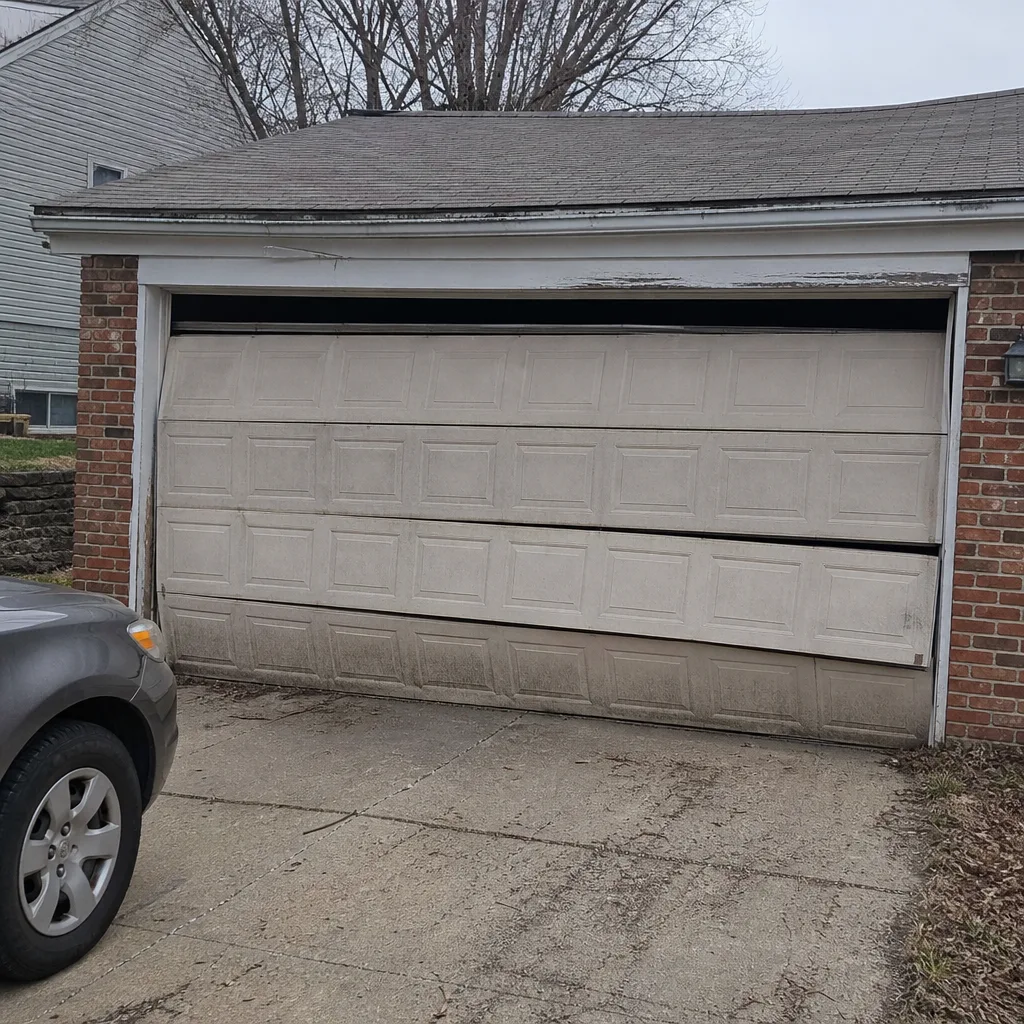 Before
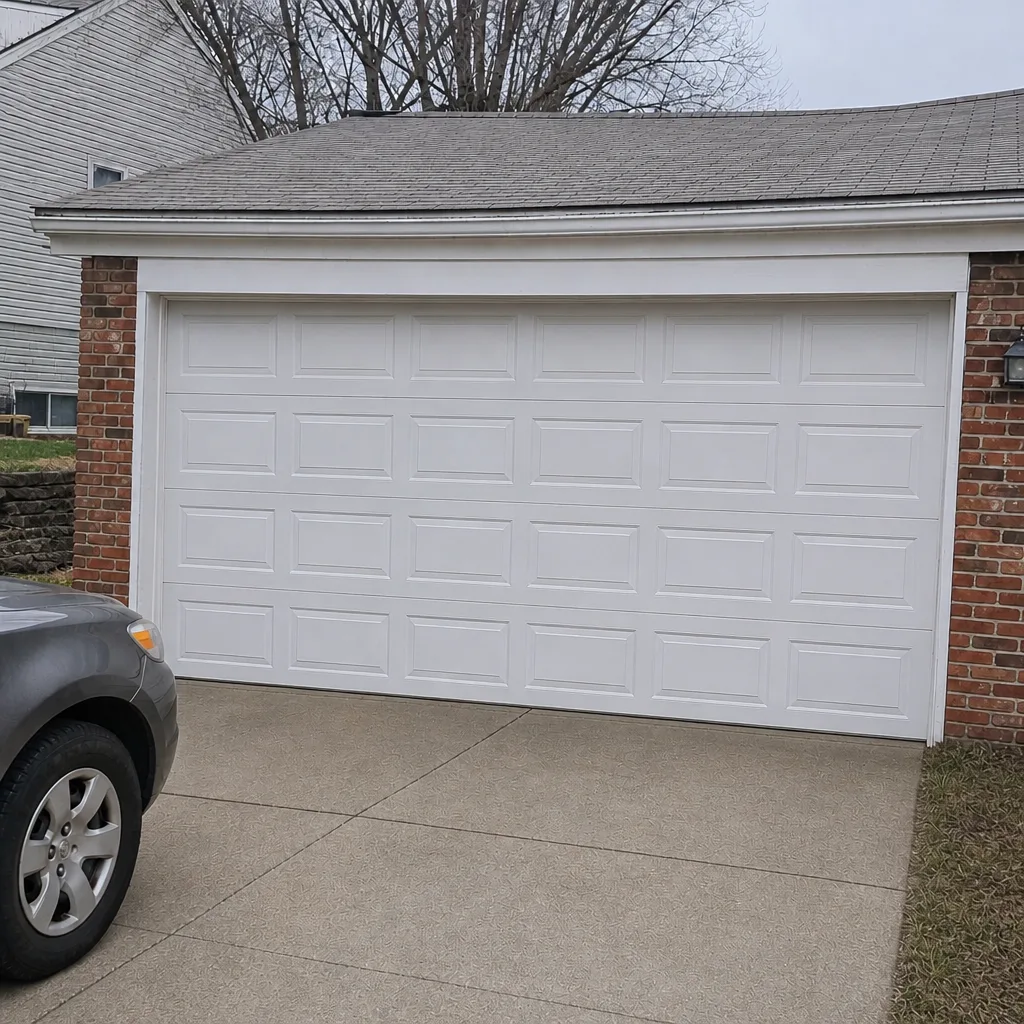 After
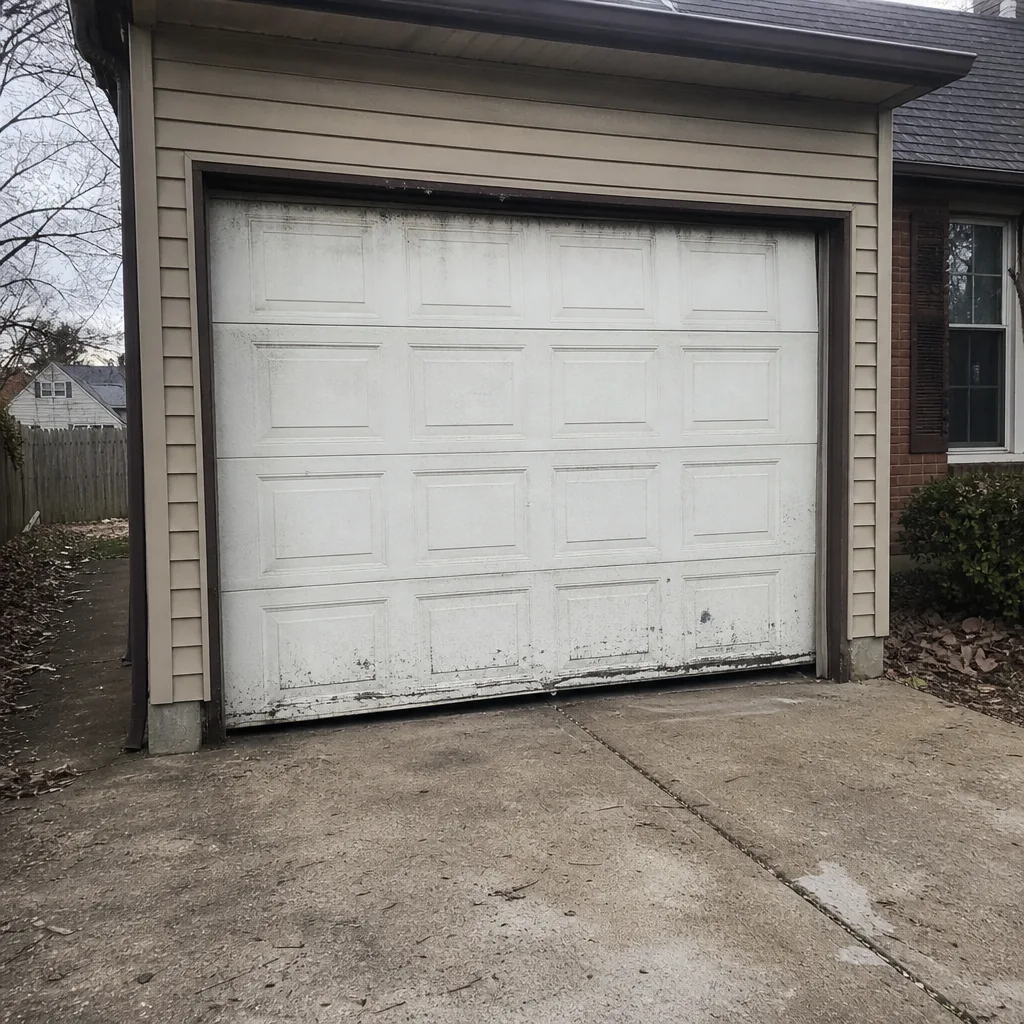 Before
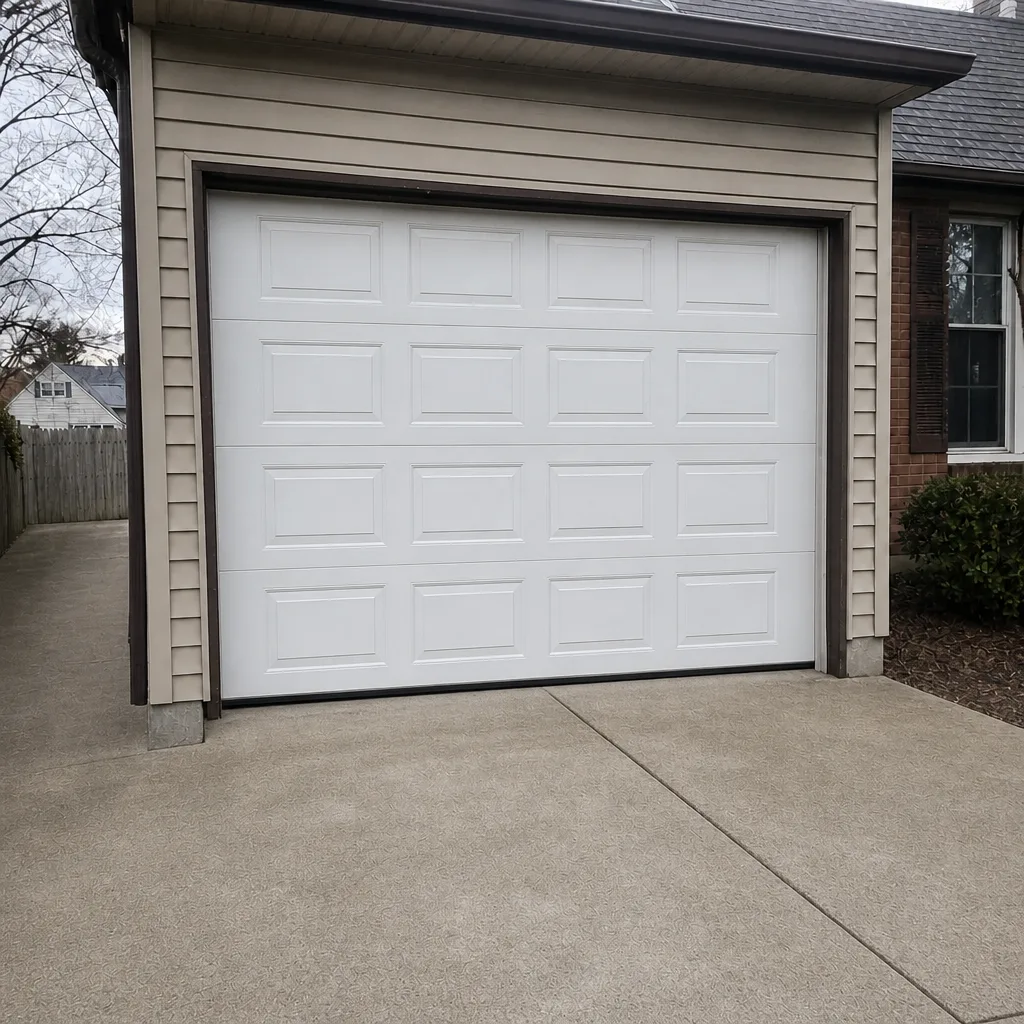 After
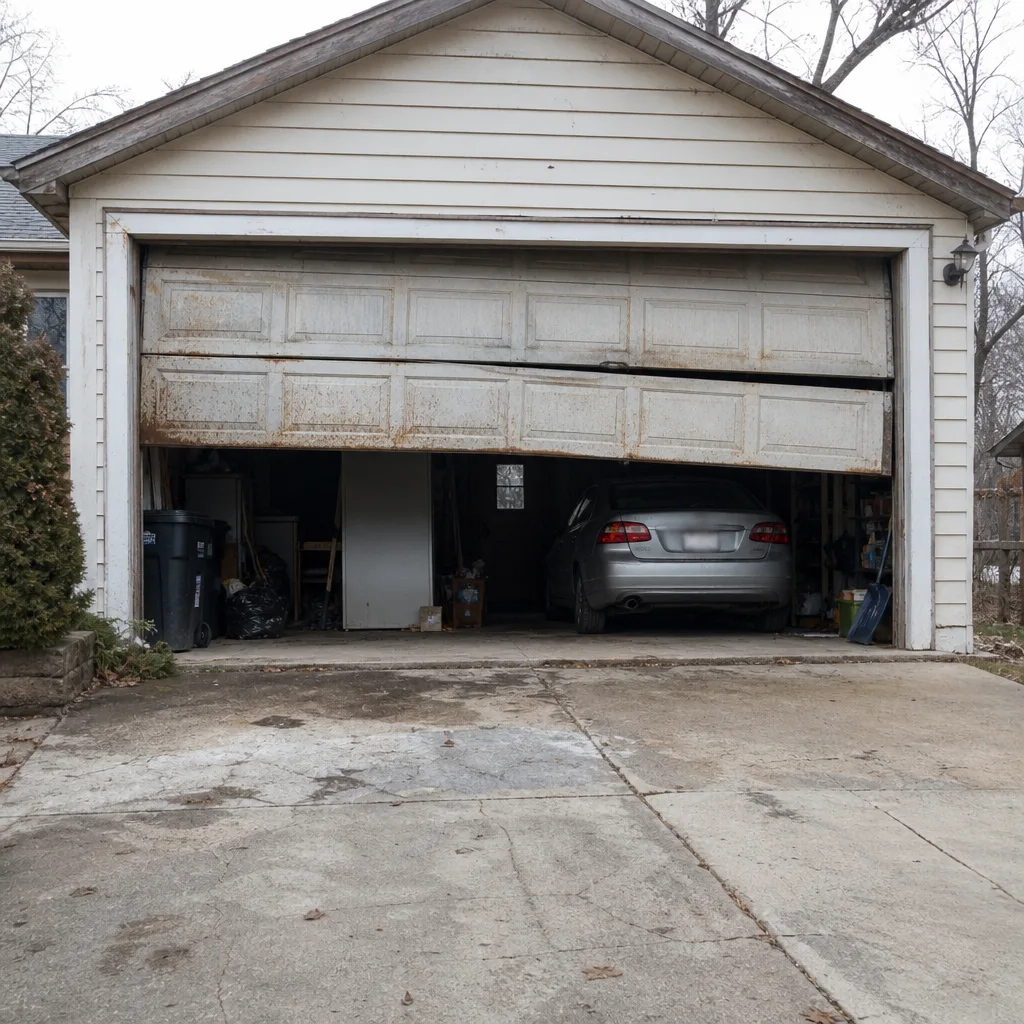 Before
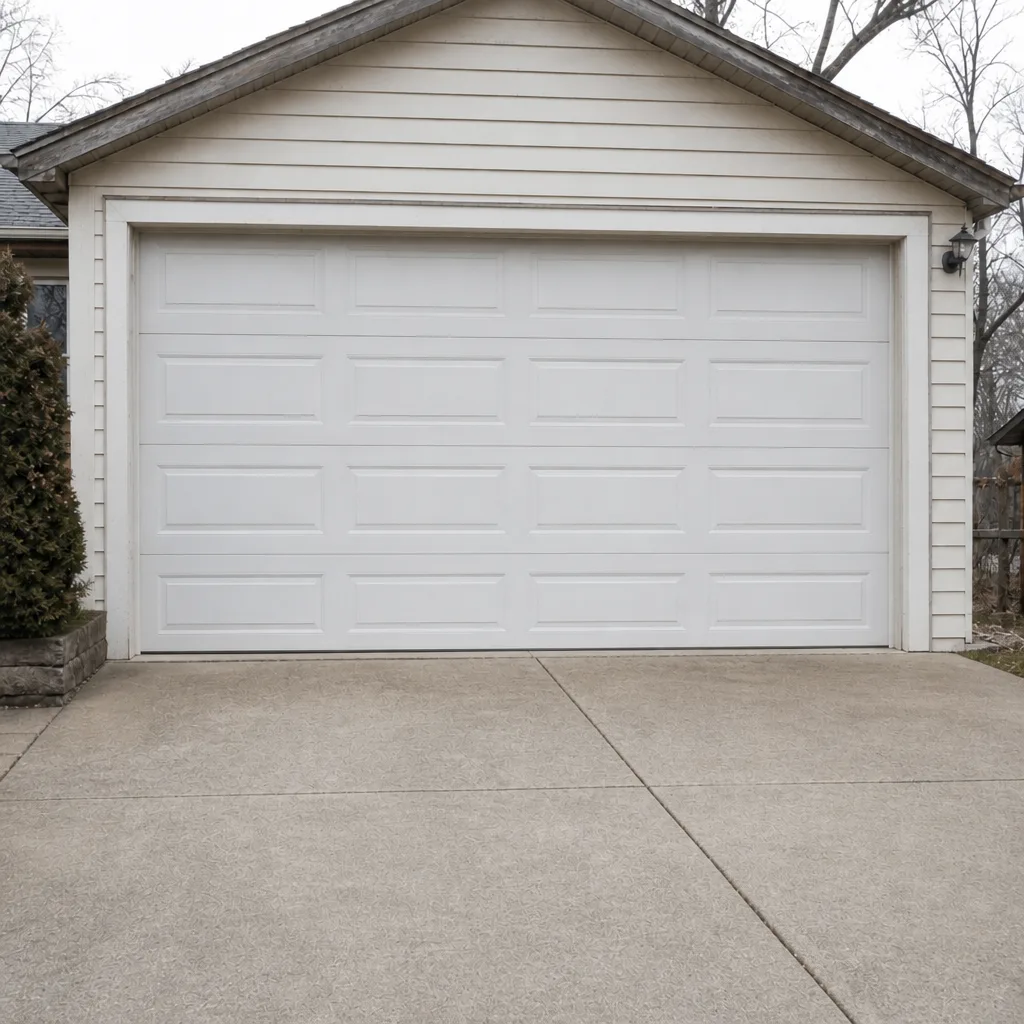 After
When to Call a Professional
You can handle a permit inquiry to the building department on your own. The work itself is another matter when it involves springs, cables, the header, or opener wiring. A broken torsion spring stores dangerous energy, and a garage door that comes off its tracks under load is a serious injury risk. Those jobs belong with a trained technician using the right tooling and safety protocols. The same goes for header modifications, where an inspector will want to see framing that matches the approved drawings and where a small error in the rough opening becomes an expensive correction.
If you’re facing a full door replacement, a structural change, a new opener circuit, or a retroactive permit question in St. Charles, we can talk through the sequencing. St. Charles Garage Door Repair Pros offers free estimates in St. Charles – call (877) 685-1815. Our technicians have up to 14 years of experience and work on the full range of brands you’ll find in this market, from Craftsman and Raynor to LiftMaster and Chamberlain.
Frequently Asked Questions
In most cases, yes, a full garage door replacement requires a permit in St. Charles city and in unincorporated St. Charles County, particularly when the new door has a different size, weight, material, or wind-load rating than the original. Simple repairs like spring, cable, or roller replacement do not. Confirm with the building department that covers your address, because the city and county each issue their own permits. Call (877) 685-1815 for an exact quote on your replacement – estimates are free.
Only when the rough opening itself changes. If the new door matches the old one in dimensions and mounting, the header typically doesn’t enter the inspection. If you’re widening, raising, or reframing the opening, an inspector will want to see the header, jack studs, king studs, and blocking before the door goes in. In our experience, that inspection is what catches framing issues that would be expensive to correct later. Call (877) 685-1815 to talk through whether your replacement is likely to need one.
A dedicated 20-amp circuit is commonly required when you’re running a new circuit specifically for the opener, particularly for new construction or a garage addition. If you’re replacing an opener on existing wiring that already has its own breaker, a new circuit typically isn’t required. Specific requirements depend on the version of the NEC your municipality has adopted, so check with the St. Charles building department. Call (877) 685-1815 for opener repair or replacement guidance.
St. Charles falls within Missouri’s tornado belt, and the building code looks at garage doors as part of the building envelope in high-wind events. New installations typically need a door rated for the area’s design wind speed, which usually means reinforced struts, heavier hardware, and rated glazing if the door has windows. Manufacturers like Clopay and Raynor publish wind-load documentation for their rated doors. Call (877) 685-1815 if you need help matching a rated door to your opening.
In almost all cases the contractor should pull it. The permit holder is responsible for code compliance, inspection scheduling, and corrections, so having a licensed contractor take on that role keeps your liability narrower. Homeowner permits are allowed in some cases for owner-occupied single-family homes, but if the project touches the header or the electrical circuit, the contractor route is the safer choice. Call (877) 685-1815 with questions about how we handle permits.
You can, but it usually complicates closing. A buyer’s home inspector may spot unpermitted work, and a lender can require a retroactive permit before funding the loan. The practical move is to check the permit history before listing, and if there’s no record, ask the building department what a retroactive permit requires. Getting it resolved early is much easier than resolving it during a buyer’s inspection window. Call (877) 685-1815 for help assessing a door that’s already in place.
The Bottom Line
Garage door permits in St. Charles aren’t about paperwork for its own sake. They’re the record that protects you when the door stops working, when a buyer’s lender asks for the file, and when an inspector wants to see how the header was framed. Replacements, rough opening changes, and new opener circuits generally require a permit. Repairs generally don’t. The city of St. Charles and unincorporated St. Charles County each issue their own, so confirm which one covers your address. And in a tornado belt, wind-load compliance isn’t optional on new installations. Get the door documented and the permit closed – it’s a small step that pays off at the worst possible moment. Call (877) 685-1815 for a free estimate, and we can walk through the permit question for your specific project.
Written by the team at St. Charles Garage Door Repair Pros.