Last updated November 22, 2026
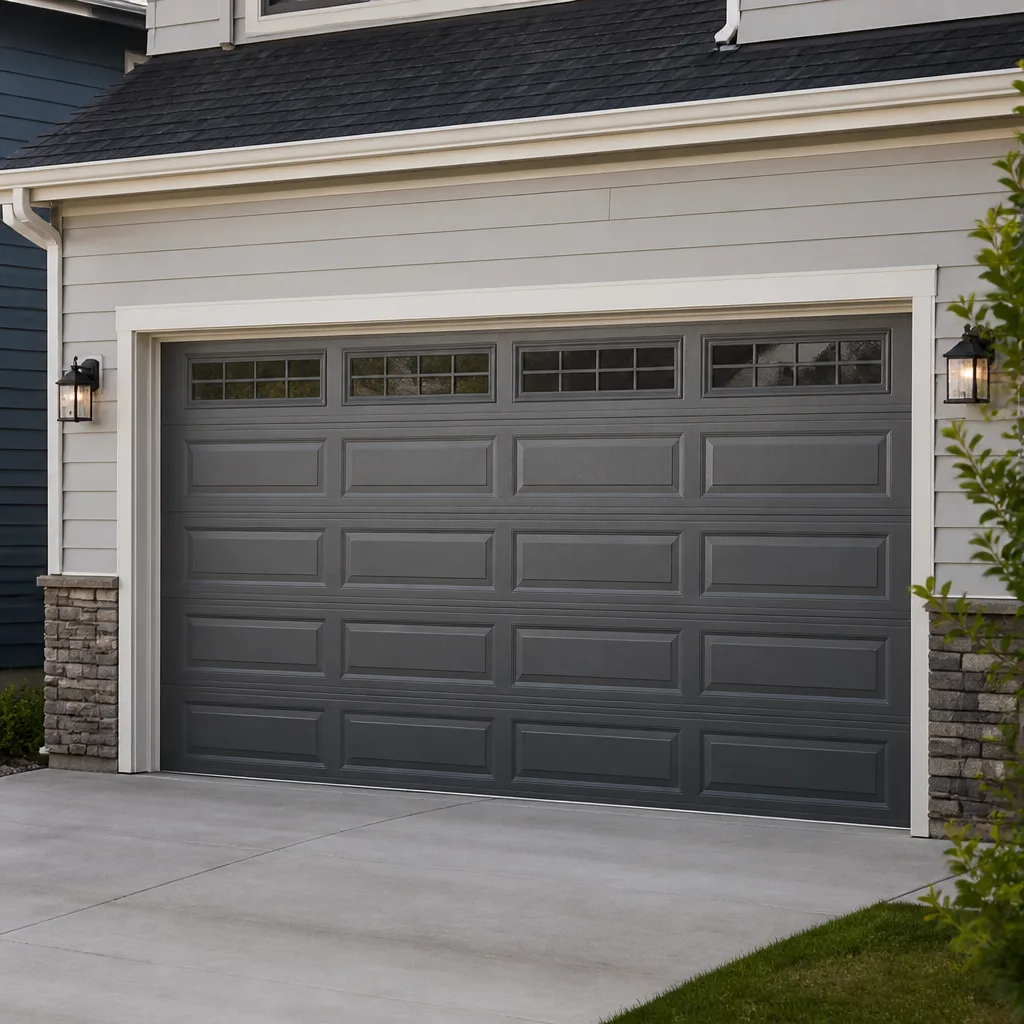 Raised-panel steel
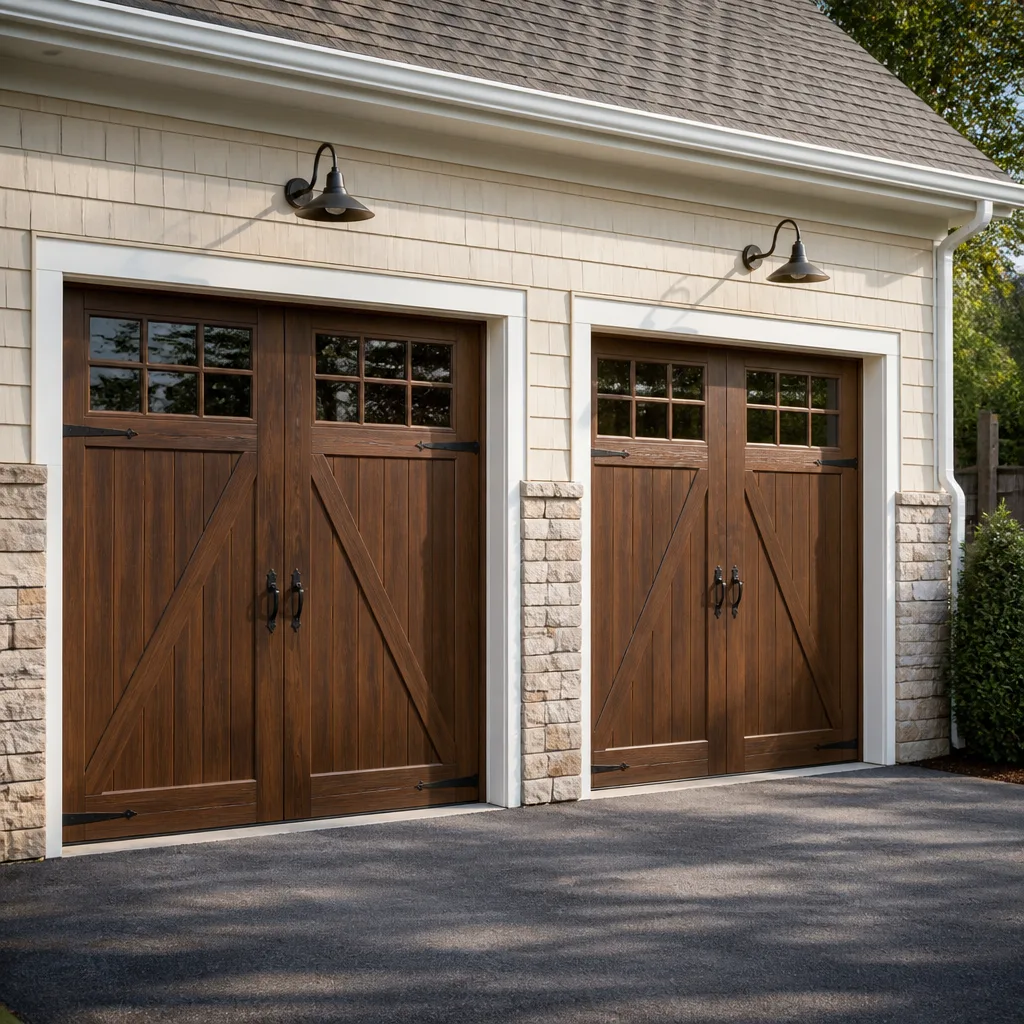 Carriage house
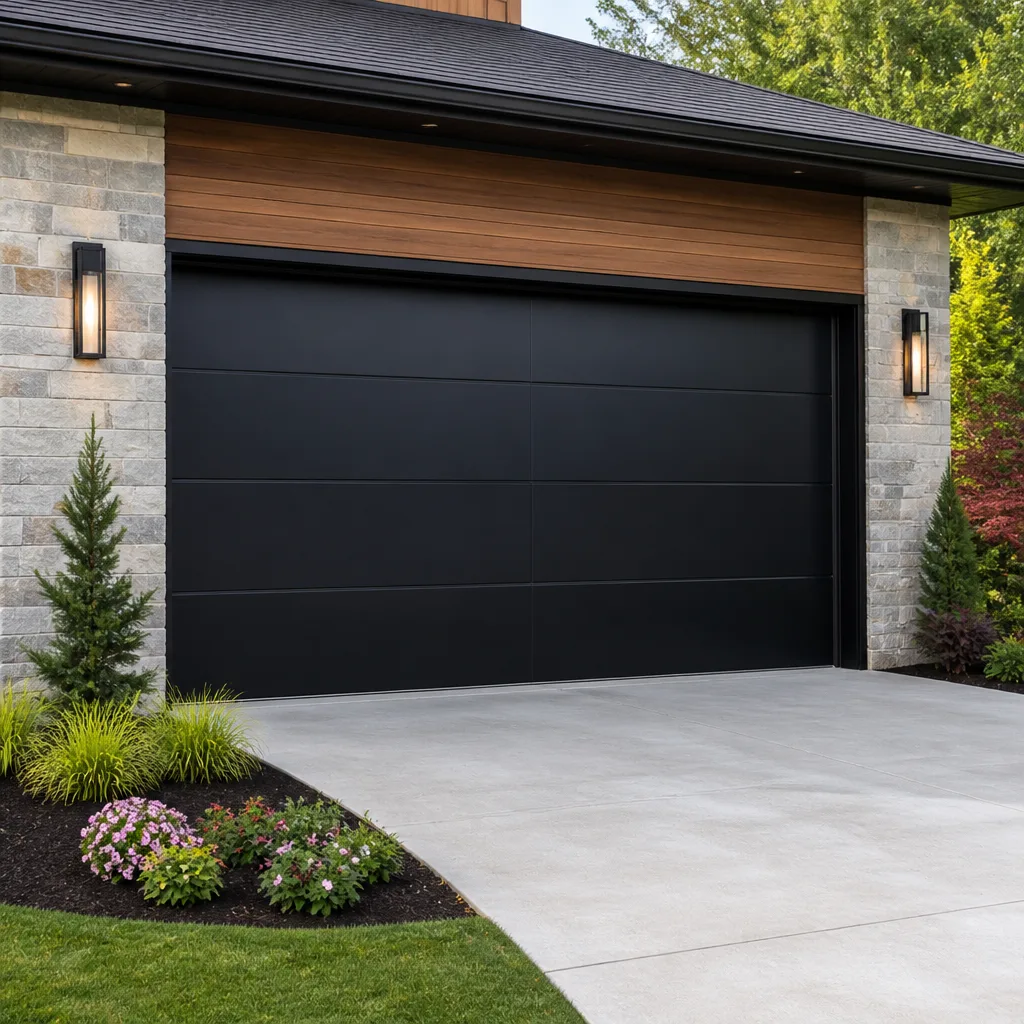 Modern flush
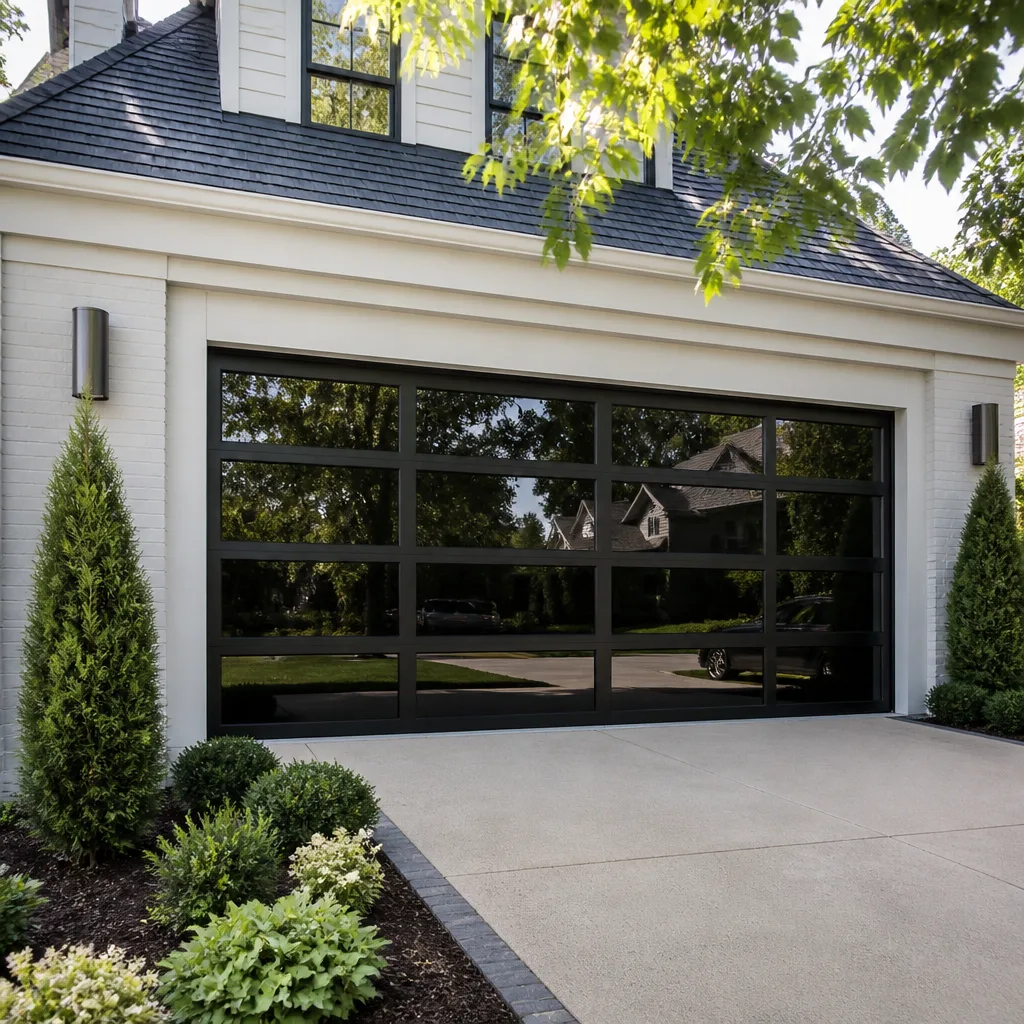 Full-view glass
 LiftMaster openers
 Chamberlain openers
Full 25-point door and opener safety check with every visit - springs, cables, rollers, tracks, and your LiftMaster or Chamberlain opener included
You get a price before we start. It does not change when the pro arrives.
Get your free estimateGarage Door Warning Signs: A St. Charles Homeowner’s Reference Guide
A garage door that hesitates for half a second before it moves isn’t quirky. It’s telling you a spring is losing tension, and that half-second pause will become a full stop within 60 to 90 days if the pattern holds. Most failed doors we look at in St. Charles didn’t fail suddenly; the homeowner just read the early signals as “it just does that.” A grinding roller sounds nothing like a fatiguing spring coil, and a door that shudders on the way down is pointing at a different part than one that reverses with nothing in the way. This guide teaches you to hear, see and feel the difference, so you can book a scheduled repair instead of an emergency call.
Quick Answer
The most reliable garage door warning signs are a half-second hesitation before movement, grinding or popping sounds during travel, a door that closes unevenly or shudders on the way down, sagging or gapped springs, and an opener that reverses or runs longer cycles than it used to. Any of those means a mechanical part is wearing and should be inspected. The exceptions that require you to stop using the door immediately are a snapped spring, a visibly frayed or kinked cable, or a door that drops faster than it should. Everything else can usually wait for a scheduled appointment.
Styles & brands we work with
- Raised-panel steel
- Carriage house
- Modern flush
- Full-view glass
- LiftMaster openers
- Chamberlain openers
Table of Contents
- What Your Door Is Telling You: Sound-Based Diagnostics
- Movement Symptoms and What They Point To
- Visual Indicators Non-Technicians Can Spot
- Why Your Opener Is Reporting a Door Problem, Not Its Own
- The Severity Tiers: Scheduled Repair vs. Stop Now
- How St. Charles Weather Accelerates Wear
- Common Mistakes to Avoid
- When to Call a Professional
What Your Door Is Telling You: Sound-Based Diagnostics
Sound is the fastest diagnostic tool a homeowner has, and it’s the one most people ignore because they’ve stopped hearing it. Garage doors are mechanical systems with a tight set of moving parts, and each part fails with a recognizable noise. If you can describe the sound accurately, we can usually narrow down the cause before anyone gets in a truck. That saves you time and it saves you the surprise of a bigger repair.
Here’s how to tell the four common sounds apart:
- Grinding: A rough, continuous metal-on-metal scrape as the door travels. This almost always traces to the rollers or the track. Rollers with worn bearings or steel rollers with dried-out lubrication grind against the track. Track that’s bent or misaligned causes the same sound. Grinding is rarely an emergency, but it accelerates wear on everything it touches.
- Popping: A sharp crack or pop, often at the start of a cycle or at one point in the travel. Popping points to spring coil fatigue or a torsion spring that’s slipping. It can also come from a loose hinge plate snapping under load. Popping gets louder over time and shouldn’t be ignored, because springs under tension are the highest-risk part of the whole system.
- Rattling: A loose, jittery noise that gets worse as the door speeds up. Rattling means loose hardware: hinge bolts, bracket bolts, or the bolts that hold the track to the wall. It’s the most benign of the four and the easiest to fix, but left alone it lets the door flex more than it should.
- Scraping: A steady scrape, often in one spot as the panels pass a certain point. Scraping points to panel alignment. A panel that’s shifted, a bent track section, or a door that went off its horizontal track will scrape against the frame or the header. It’s a sign the door is no longer running true.
If you’re not sure which category your sound falls into, describe it over the phone. “It pops twice on the way up and grinds at the top” gives us more to work with than “it’s making a noise.” A quick call to garage door repair with that description is often enough to pick the right parts before the appointment.
Movement Symptoms and What They Point To
Watch the door for a full cycle once a month. A door that used to move cleanly and now doesn’t is giving you a map to the failing part. Movement symptoms are more specific than sounds because they show you which side of the system is losing balance.
Asymmetric closing (one side drops faster)
If one corner reaches the floor before the other, the door is out of balance. On a torsion spring system, that usually means one spring in a matched pair has lost more tension than its partner, or the cables have uneven tension. On an extension spring system, look at the springs on each side. Asymmetric travel puts a twisting load on the panels and the bottom section, and it wears the opener gear faster.
Shuddering on descent
A door that shudders or bounces on the way down is fighting friction. The usual suspects are rollers that no longer roll, a track that’s pinched, or a door that’s become heavier than the springs can balance. Shuddering is the door’s way of telling you it’s binding somewhere along the track, and every cycle it binds, it wears the moving parts a little more.
Reversal without obstruction
A door that goes down a foot, reverses and goes back up with nothing in the way is one of the most misread symptoms. Homeowners assume the opener is broken. Usually the door has developed enough resistance that the opener’s safety system reads it as an obstruction and reverses. That resistance comes from the door itself: a dragging track, a failing roller, or a spring that no longer helps lift the weight. The opener is doing exactly what it’s designed to do. The door is the problem.
Slowing down or hesitating
That half-second pause at the start of a cycle is the earliest movement symptom and the one most often dismissed. On a torsion system it means the spring is losing lift. On a chain-drive opener it can also mean the chain is slack or the gear is wearing. Either way, hesitation is the point where a scheduled repair is still cheap and convenient. A full stop mid-cycle is not.
Movement symptoms respond well to a proper tune-up and balance check. If your door shows any of these, that’s a good moment to book garage door repair before the symptom turns into a failure.
Visual Indicators Non-Technicians Can Spot
You don’t have to know how a torsion system works to see when something is wrong. A handful of visual checks you can do from the floor, without tools and without touching anything under tension, catch most developing problems early.
Cable kinking vs. fraying
The cables run vertically on each side of the door and connect the bottom bracket to the drum. A healthy cable is smooth and straight. Kinking means the cable has developed a sharp bend or a kink where it wraps the drum, which usually means it jumped a groove or the drum is worn. Fraying is worse: you’ll see individual wire strands separating from the bundle or a fuzzy texture on the cable. A frayed cable is a structural failure in progress and you should stop using the door. Do not touch it; a cable under tension can whip if it lets go.
Spring gap formation
Torsion springs sit on the horizontal shaft above the door; extension springs run along the sides. On either type, look for gaps. On a torsion spring, a visible gap in the coil means the spring is breaking or has broken. On an extension spring, a gap between coils means the spring is losing tension. A closed, tight coil is healthy. A coil with a discernible gap is telling you it’s on the way out. In St. Charles, where summer heat and winter cold work springs hard, gap formation shows up faster than in milder climates.
Bottom seal gaps
Look at where the door meets the floor. A healthy bottom seal sits flush and even. Gaps at one end, a seal that’s peeling away, or daylight visible under the door mean the seal is worn or the door is hanging unevenly. A bad seal lets in water, insects and cold air, and it also changes the force the opener has to overcome at close. In St. Charles, where summer storms and winter cold both stress the seal, this check is worth doing a couple of times a year.
Rust patterns
Rust on the hardware is normal wear, but pay attention to where it is. Surface rust on hinge plates and bolts is cosmetic. Active corrosion on the springs, the cables, or the bottom bracket is different: it’s feeding on moisture and it weakens the parts that carry the most load. Rust on the bottom bracket, where the cables anchor, is a reason to have the door inspected sooner rather than later.
A quick visual walk-around once a month catches most of this. When you spot something you’re unsure about, garage door spring repair is the right call for anything involving the springs or cables. Springs and cables are under extreme tension and are not a DIY repair, no matter how many videos make it look manageable.
Why Your Opener Is Reporting a Door Problem, Not Its Own
Homeowners call us about their opener far more often than about the door. The opener beeps an error code, reverses on the way down, or runs a longer cycle than it used to. The instinct is that the opener is failing. In our experience, the opener is usually the messenger, not the problem. It’s reporting a change in the door’s weight and balance, and the door is what needs attention.
Here’s how the opener’s behavior maps to door problems:
- Reverses without obstruction: The safety system is reading resistance. The door is dragging, binding, or too heavy for the springs. The opener is functioning correctly.
- Runs longer cycles: The door is taking more time to travel the same distance, which means the opener has to work harder. Worn rollers, a binding track or weakened springs are the usual cause.
- Beeps error codes: Most modern openers from LiftMaster, Chamberlain, Genie and Craftsman have a diagnostic code that points to a safety-sensor fault, a travel-limit fault, or a force-limit fault. Force-limit codes in particular point back to the door, not the opener.
- Stalls or stops partway: The opener is hitting a force limit because the door has become too heavy or the track has an obstruction. Stop and inspect before cycling the door again.
That’s why a proper diagnosis starts with the door, not the opener. If your opener is behaving oddly, the right move is to have both checked at once. Our technicians work on LiftMaster, Chamberlain, Genie, Clopay, Amarr, Wayne Dalton, Craftsman and Raynor systems every day, so there’s no learning curve on your dime. If a repair is what’s needed, garage door opener repair covers the opener side, but we always look at the door’s balance first.
The Severity Tiers: Scheduled Repair vs. Stop Now
Not every warning sign deserves the same urgency. Sorting your symptoms into tiers keeps you from over-reacting to a squeaky roller or under-reacting to a spring that’s about to break. Here’s the framework we use.
Tier 1: Schedule a repair appointment
These signs mean something is wearing and should be fixed, but the door is still safe to use while you wait for an appointment.
- Rattling from loose hardware
- Grinding from worn rollers or a slightly misaligned track
- Scraping from panel alignment
- A bottom seal with a small gap
- Surface rust on hinge plates and bolts
- An opener that runs a longer cycle but still completes it
Tier 2: Book the repair soon and keep cycles to a minimum
These signs point to a part that’s failing and will get worse. The door still works, but every cycle does more damage.
- Asymmetric closing (one side drops first)
- Shuddering on descent
- Reversal without obstruction
- A half-second hesitation before movement
- Popping or cracking during travel
- Visible gaps in spring coils
- A door that feels heavier than it used to when lifted by hand (with the door disconnected from the opener)
Tier 3: Stop using the door now
These are the signs that mean stop, call for emergency service, and don’t cycle the door again.
- A snapped torsion spring (a loud bang and the door won’t lift)
- A visibly frayed or kinked cable
- A door that drops faster than it should on the way down
- A door that’s hanging crooked or has come off one track
- A bottom bracket that’s pulled loose from the door
- Any spring or cable that has failed while under tension
When a Tier 3 sign shows up, don’t try to lift the door by hand and don’t cycle the opener to “see if it works.” Call for emergency garage door service. We handle those calls specifically because a door that won’t open or close can leave a vehicle trapped or a home unsecured. That’s a job for a trained technician with the right tools and the right safety procedures, and standing under a loaded spring to figure it out yourself is how people get hurt.
How St. Charles Weather Accelerates Wear
Garage doors in St. Charles live through a wide range. Summers bring heat and humidity that swell wood panels and stress steel springs. Winters bring hard freezes and the freeze-thaw cycles that work on every joint and seal. The result is that springs, seals and hardware here wear on a slightly faster curve than in milder climates, which is why the monthly walk-around and the sound check matter.
The practical points for St. Charles homeowners:
- Springs on a door that faces the afternoon sun run hotter in summer and colder in winter, and the heat expansion cycle shortens their life. The hesitation symptom shows up in summer heat more than in any other season.
- The bottom seal takes the worst of it: summer storms blow water against the door, winter freeze-thaw works the seal material, and by spring a seal that looked fine in fall has gaps. Check it after the first hard freeze and again in late spring.
- Wood panel doors in older St. Charles neighborhoods swell and warp with humidity, which can throw a panel out of alignment and cause scraping. Steel doors with dented panels can do the same. Either way, the symptom is the same and the fix is the same.
- The exterior hardware (hinges, bolts, brackets) rusts in the wet season, and that rust is what lets a small alignment problem become a binding track. A quick spray of hardware-safe lubricant a couple of times a year goes a long way.
None of this changes what the door needs; it changes how often you should be looking. In St. Charles, twice a year is a reasonable baseline for a visual check and a sound check, and once a year for a professional tune-up on a door that’s more than a few years old.
Common Mistakes to Avoid
- Treating “it just does that” as a permanent setting. A door that hesitates, shudders or reverses is in the middle of a wear curve, not at a steady state. The half-second pause will become a full stop within 60 to 90 days if the pattern holds.
- Blaming the opener first. In our experience, most opener complaints are door complaints in disguise. Book a diagnosis of the whole system, not just the opener, or you’ll replace a working opener and still have the same symptom.
- Trying spring or cable work yourself. Springs and cables are the highest-risk parts of the whole system, and they’re under extreme tension. This is one repair where the tools and the training actually matter. Leave it to a professional.
- Ignoring the bottom seal in St. Charles. Our freeze-thaw cycle works on the seal harder than most homeowners expect. A seal with gaps lets water in, changes the door’s close force, and can trigger an opener reversal that looks like a mechanical fault.
- Using the door in a Tier 3 situation. A snapped spring or frayed cable means stop. Cycling the door to “test” it puts the opener, the door and anyone nearby at risk. Call for emergency service instead.
- Assuming a generalist can service every brand. Garage doors and openers from Clopay, Amarr, Wayne Dalton and Craftsman each have their own spring, track and opener geometry. A technician who works on dozens of systems may not know the specifics of yours. Our specialists see these systems constantly.
- Waiting for a full failure before booking. A scheduled repair costs far less in hassle than an emergency call, and the door often needs less work when the warning is caught early. The half-second pause is cheap to fix; the mid-cycle stop is not.
See the difference
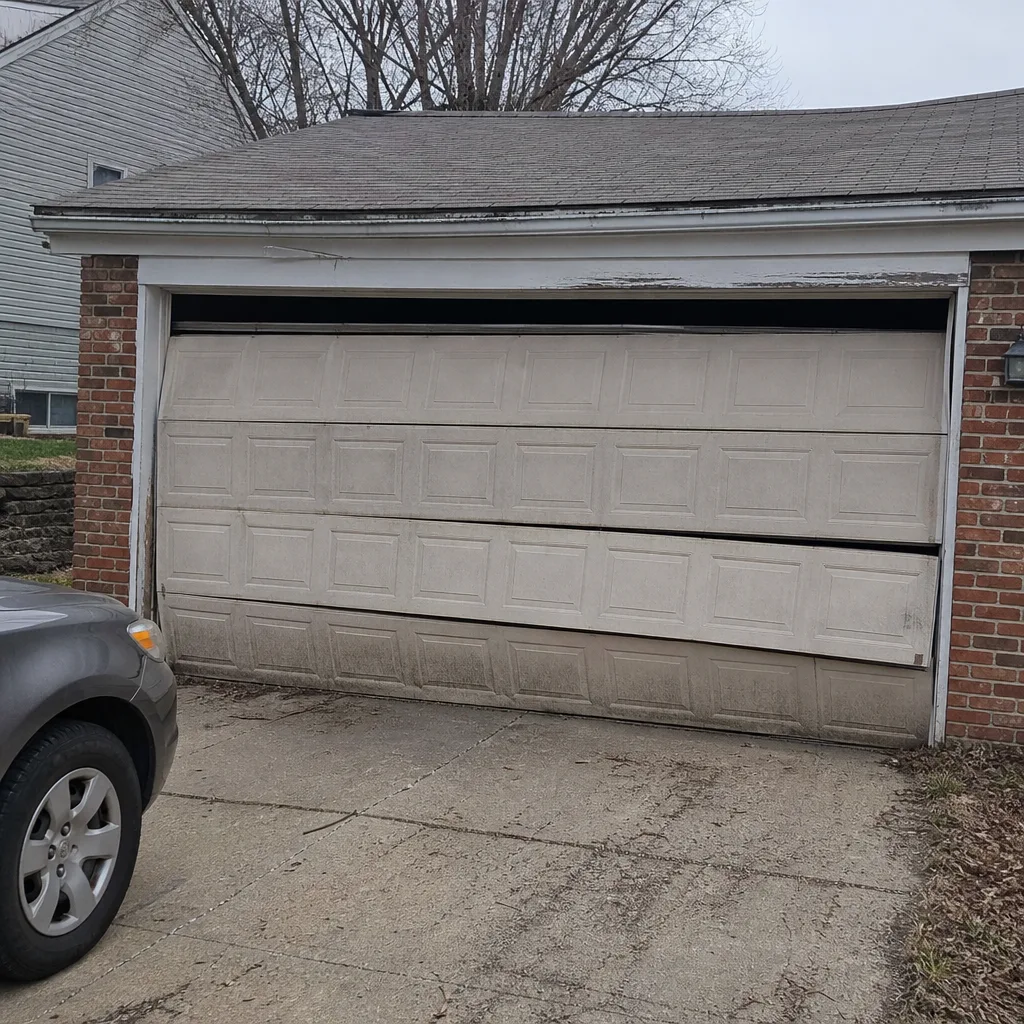 Before
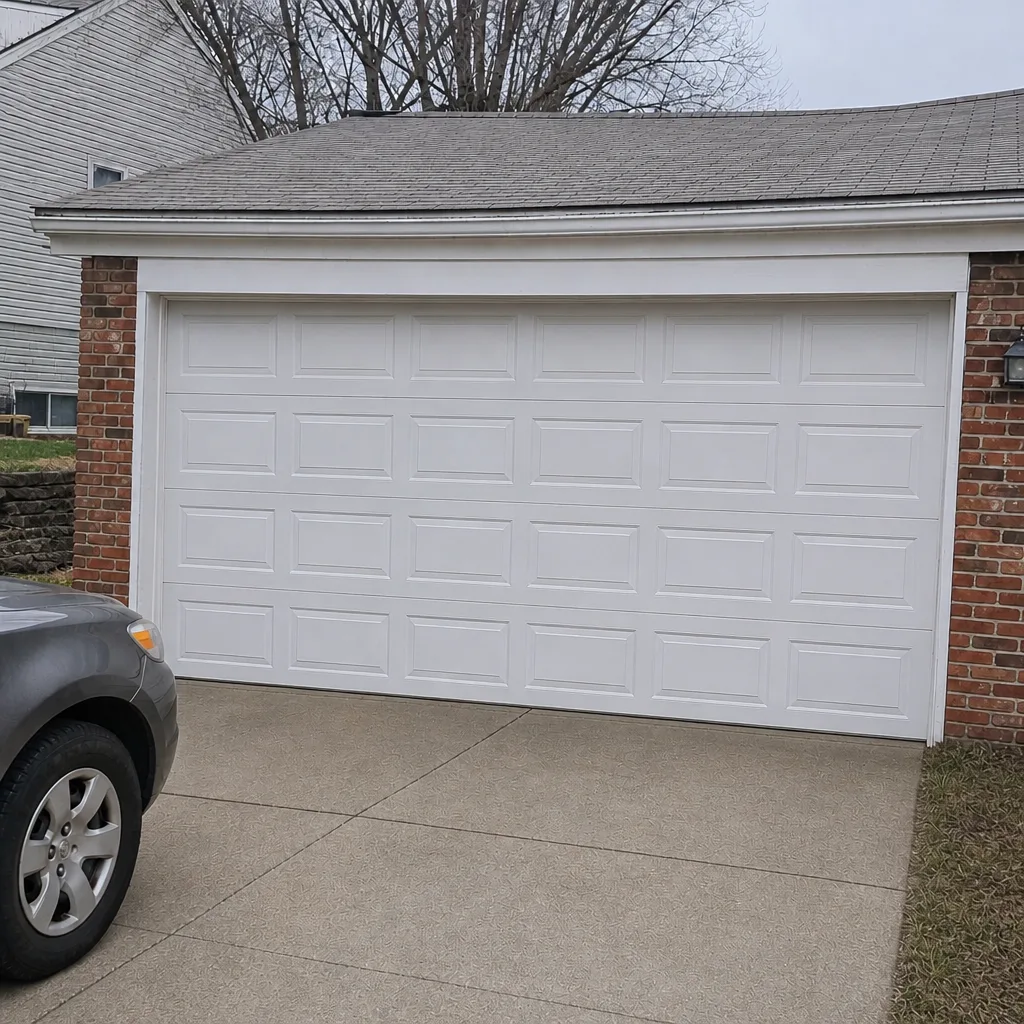 After
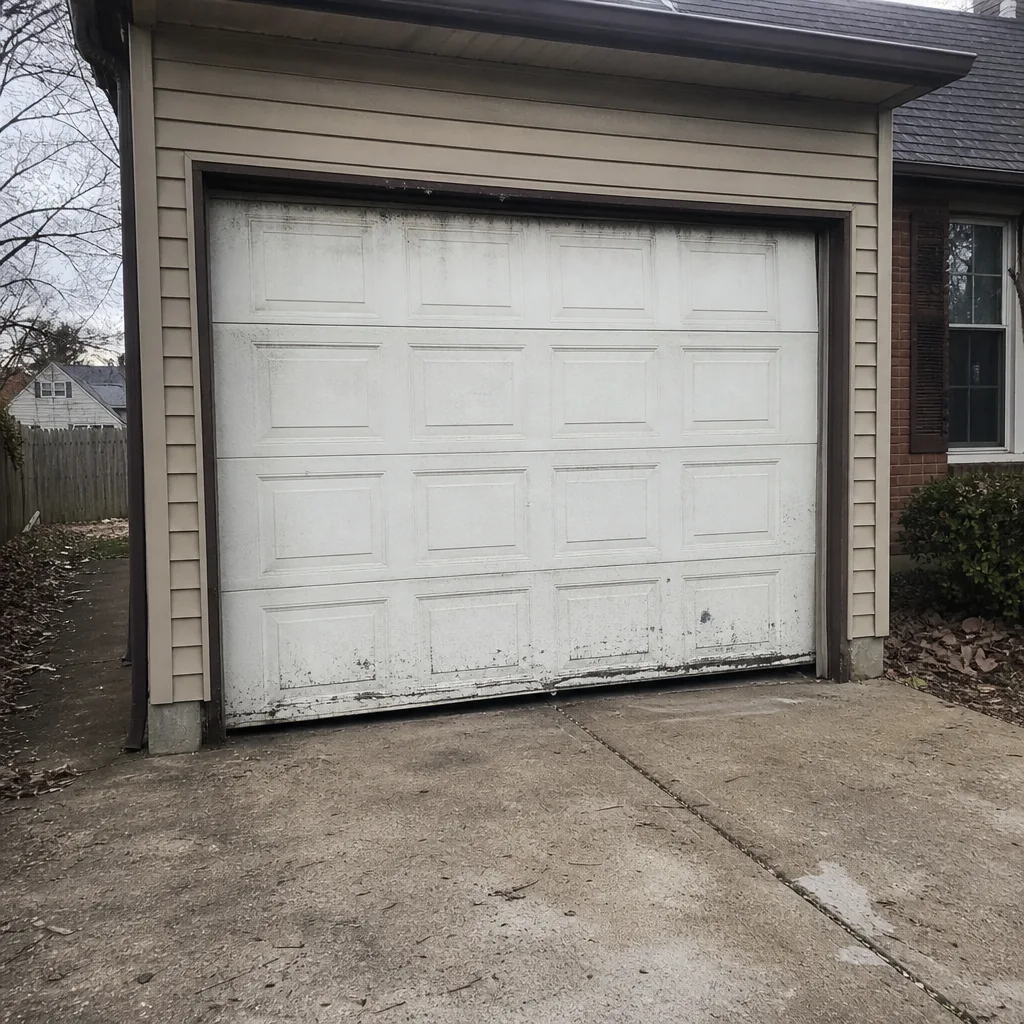 Before
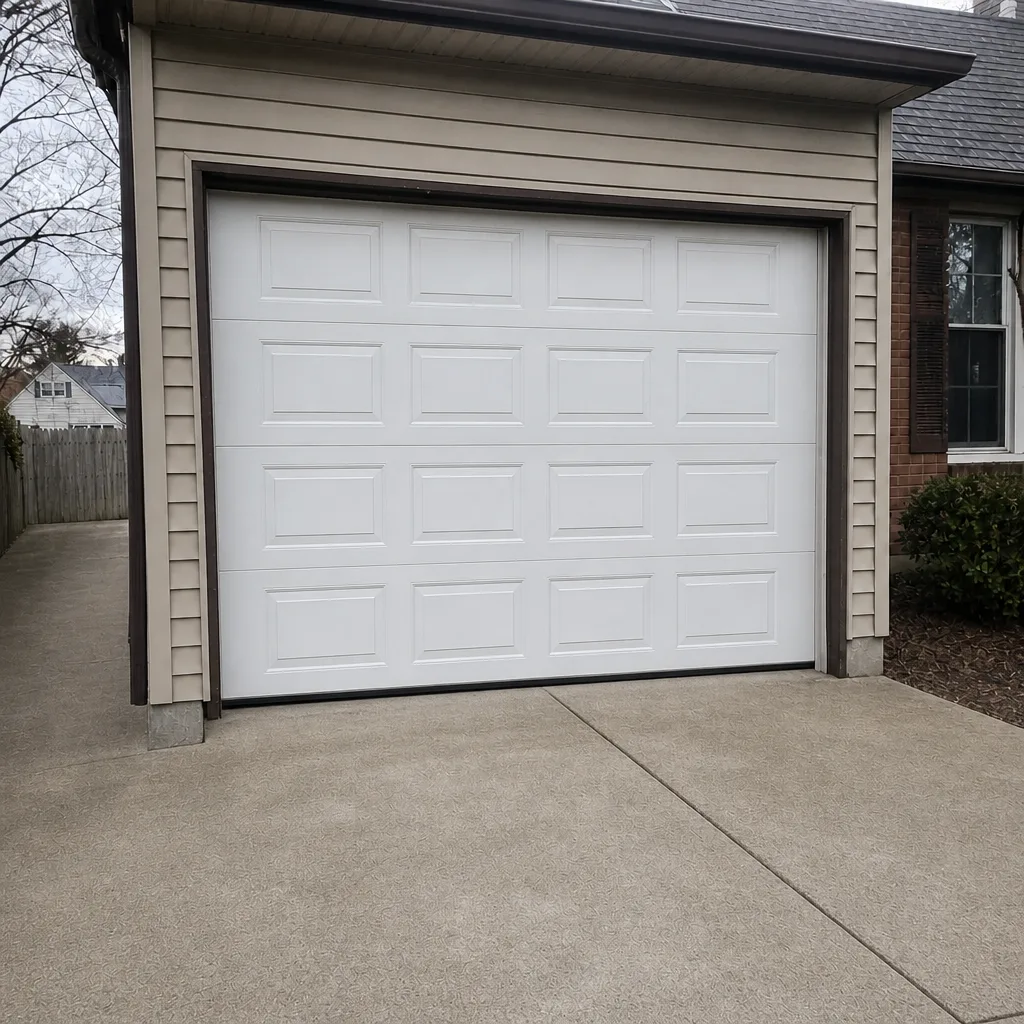 After
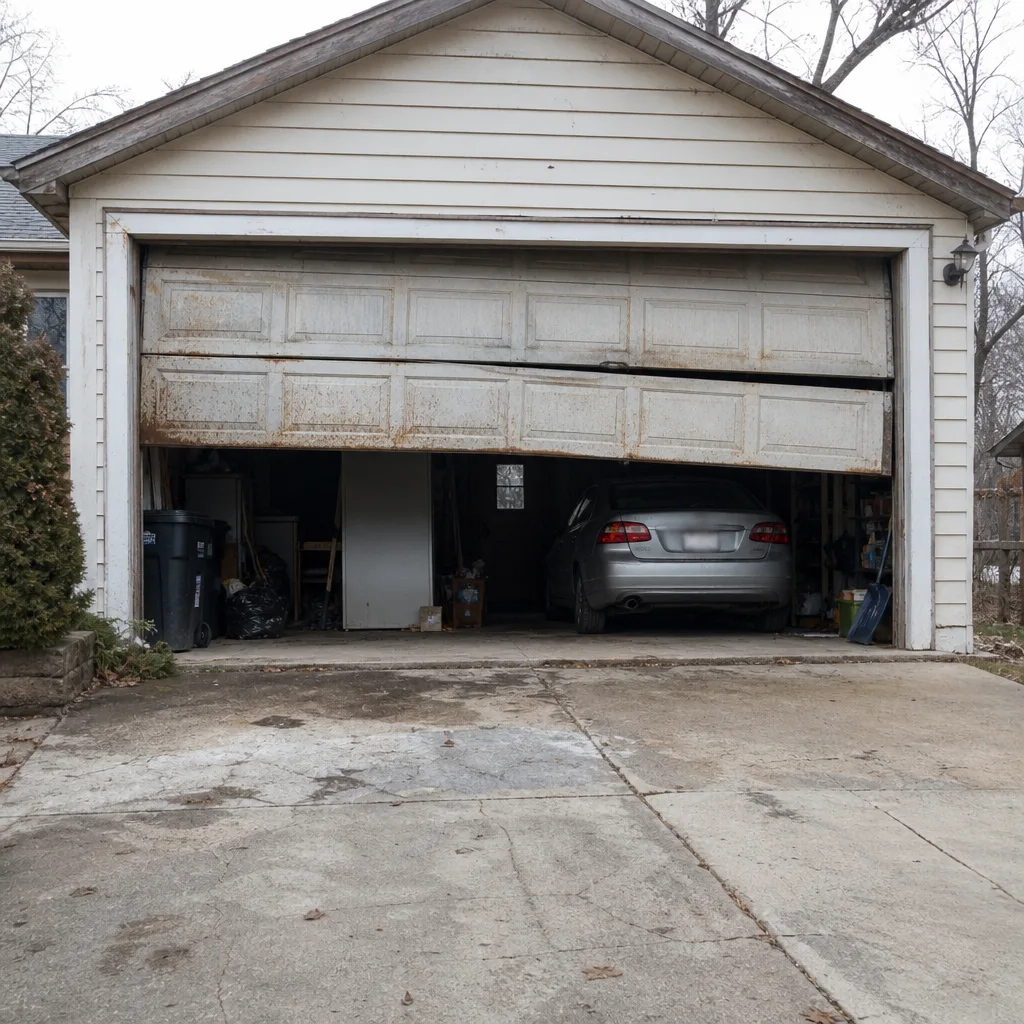 Before
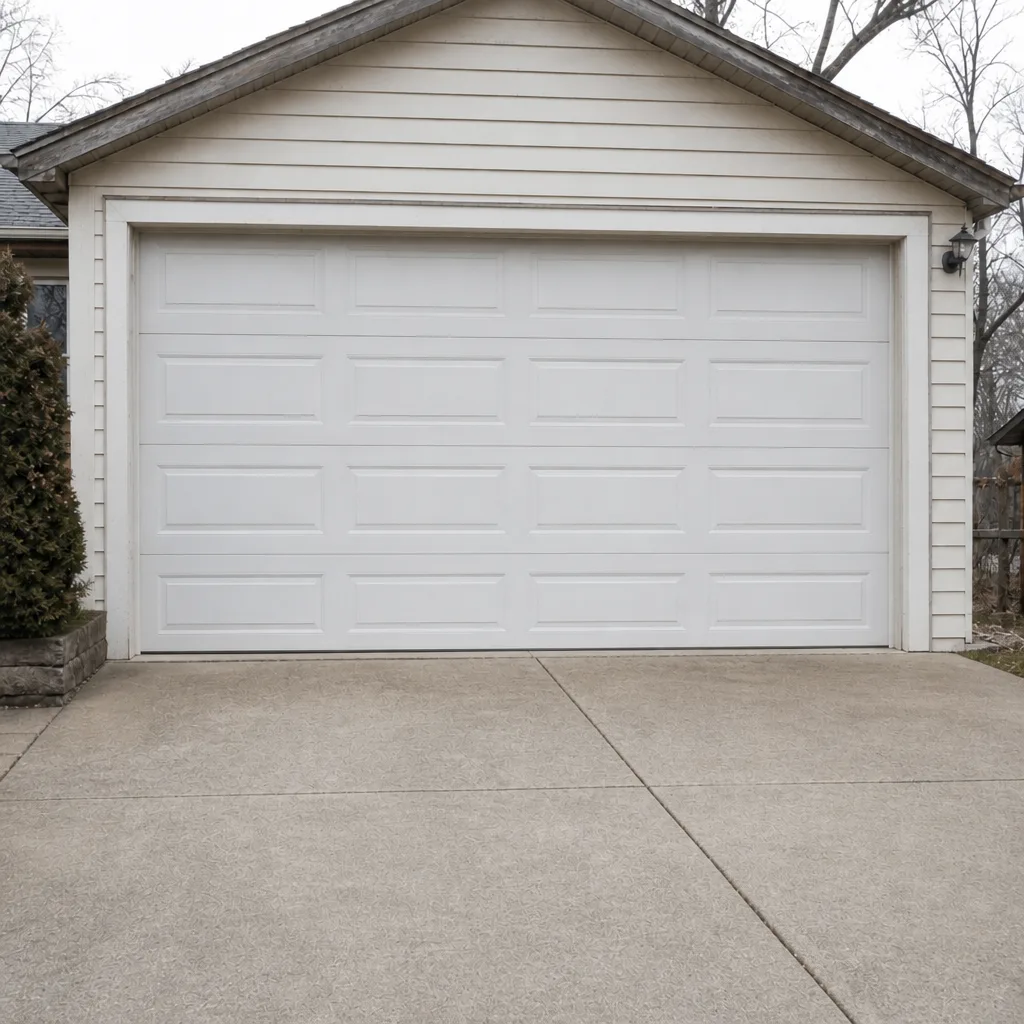 After
When to Call a Professional
Call a professional when you hear popping or grinding, see spring gaps or cable fraying, or notice the door moving unevenly. Those are the symptoms a trained technician can fix quickly and safely. Stop using the door entirely and call for emergency service when you hear a loud bang and the door won’t lift, see a frayed cable, or the door drops faster than usual. Spring and cable work is the highest-risk repair in the whole trade, and it’s one of the places where training and proper tools genuinely matter. St. Charles Garage Door Repair Pros offers free estimates in St. Charles. Call (877) 685-1815 and describe what you’re hearing and seeing; we’ll tell you what tier it falls into and get you scheduled. Emergency or scheduled, one call covers it.
Frequently Asked Questions
The earliest sign is a half-second hesitation before the door starts moving, followed by faint popping or grinding during travel. Book an appointment at the first hesitation; that symptom reliably leads to a full stop within 60 to 90 days if ignored.
It’s almost always the spring or the door’s balance, not the opener. If the opener reverses without obstruction, runs a longer cycle or beeps a force-limit code, the door has become heavier or is dragging, and the opener is reporting it. Have both checked to be sure.
You can usually use it for a short time while you book an appointment if the door still moves evenly and completes its cycle. Popping is the symptom to treat with more caution than grinding; popping points to spring fatigue and is closer to a Tier 3 failure.
A visual and sound check twice a year and a professional tune-up once a year are a reasonable baseline in St. Charles, given our summer heat and winter freeze-thaw cycles. Older wood doors and doors facing direct sun may benefit from more frequent checks.
A kinked cable has a sharp bend or twist where it should run smooth. It’s dangerous because it’s under tension and can whip if it fails. Stop using the door and call for service; do not touch the cable yourself.
Rattling from loose hardware usually isn’t a big deal and is cheap to fix. Grinding, popping or scraping is a bigger deal because it points to a worn or failing part. When in doubt, describe the sound and we’ll sort it for you.
The Bottom Line
Garage doors rarely fail without warning. The half-second hesitation, the popping during travel, the gap in the spring coils and the bottom seal that’s pulling away are all readable signals, and sorting them into severity tiers tells you whether to schedule a repair or stop using the door. Watch it, listen to it, and check the springs and cables from the floor once a month. When you see or hear something you’re unsure about, call St. Charles Garage Door Repair Pros and describe it. In St. Charles, that call is what turns a mid-cycle failure into a scheduled appointment, and it’s the difference between a door that keeps working and one that stops at the worst possible moment.
Written by the team at St. Charles Garage Door Repair Pros.