Last updated November 22, 2026
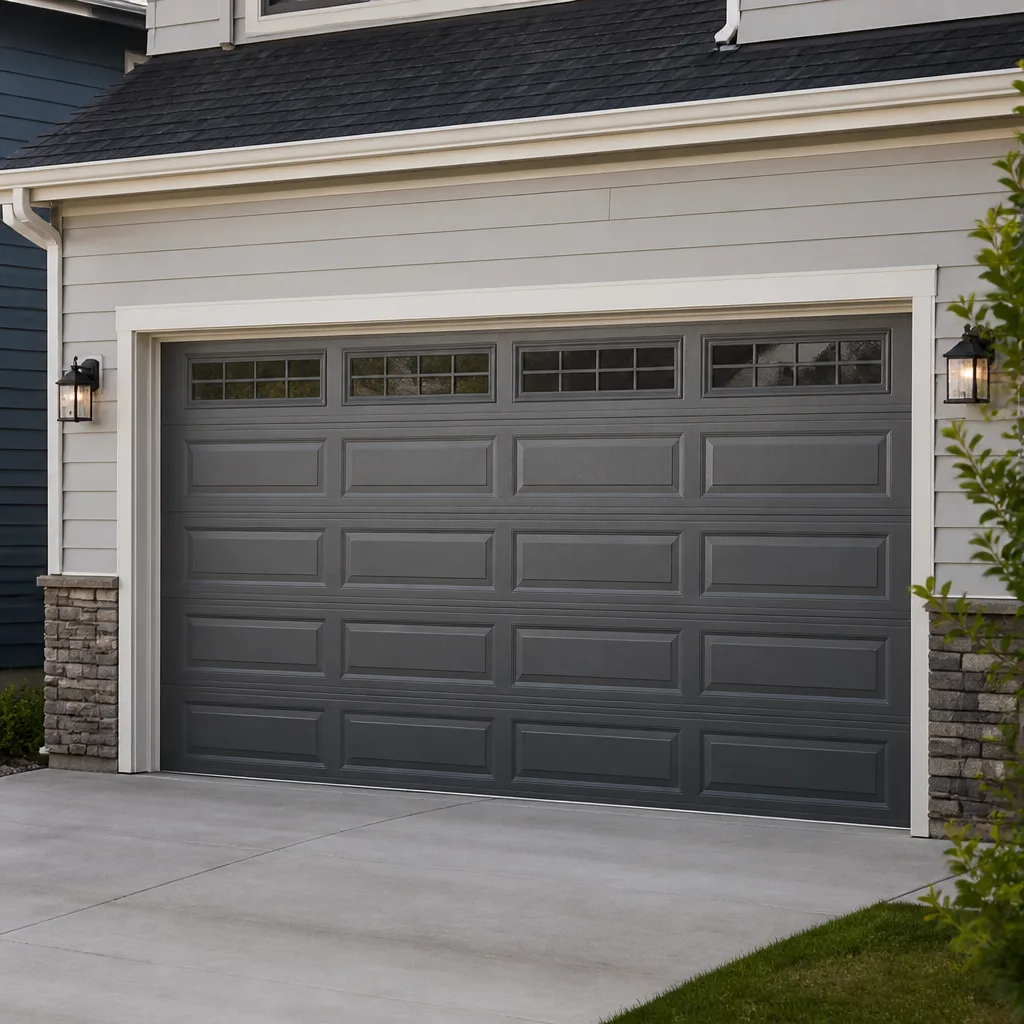 Raised-panel steel
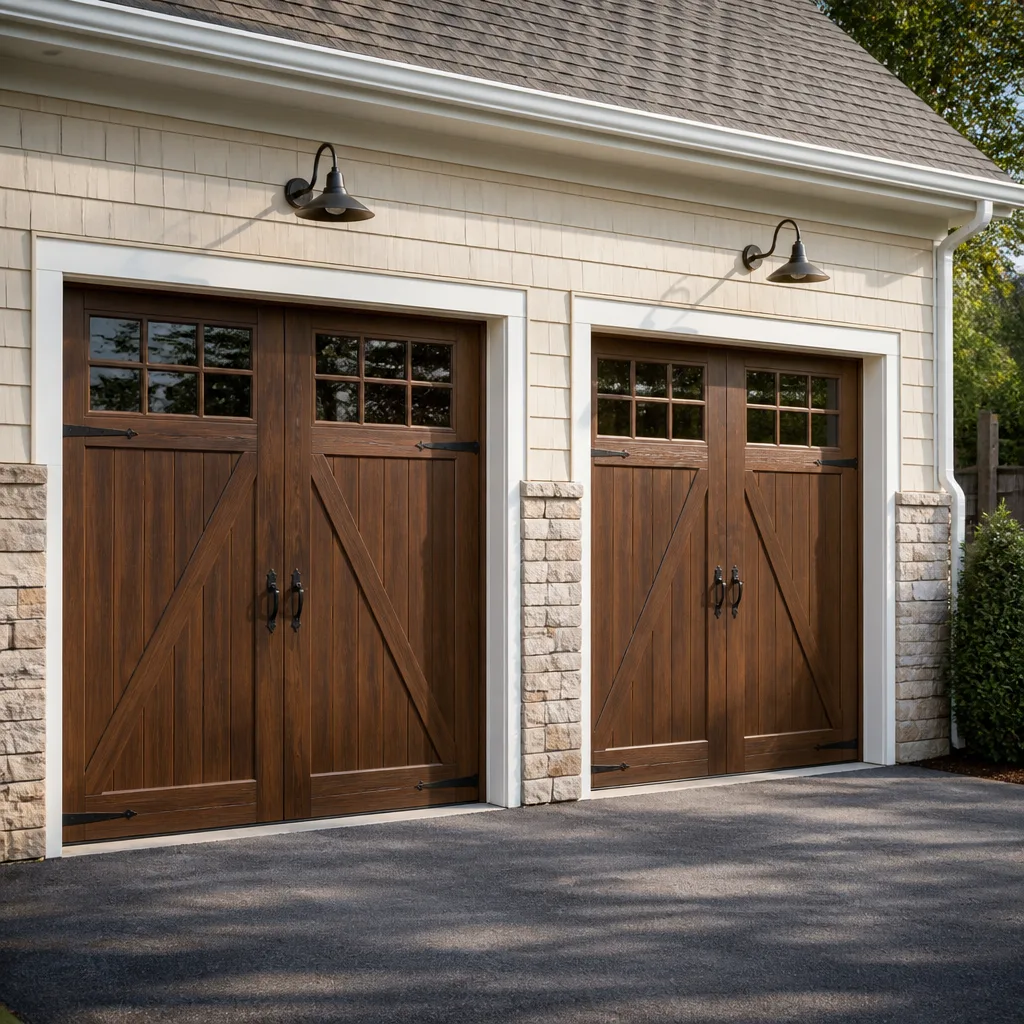 Carriage house
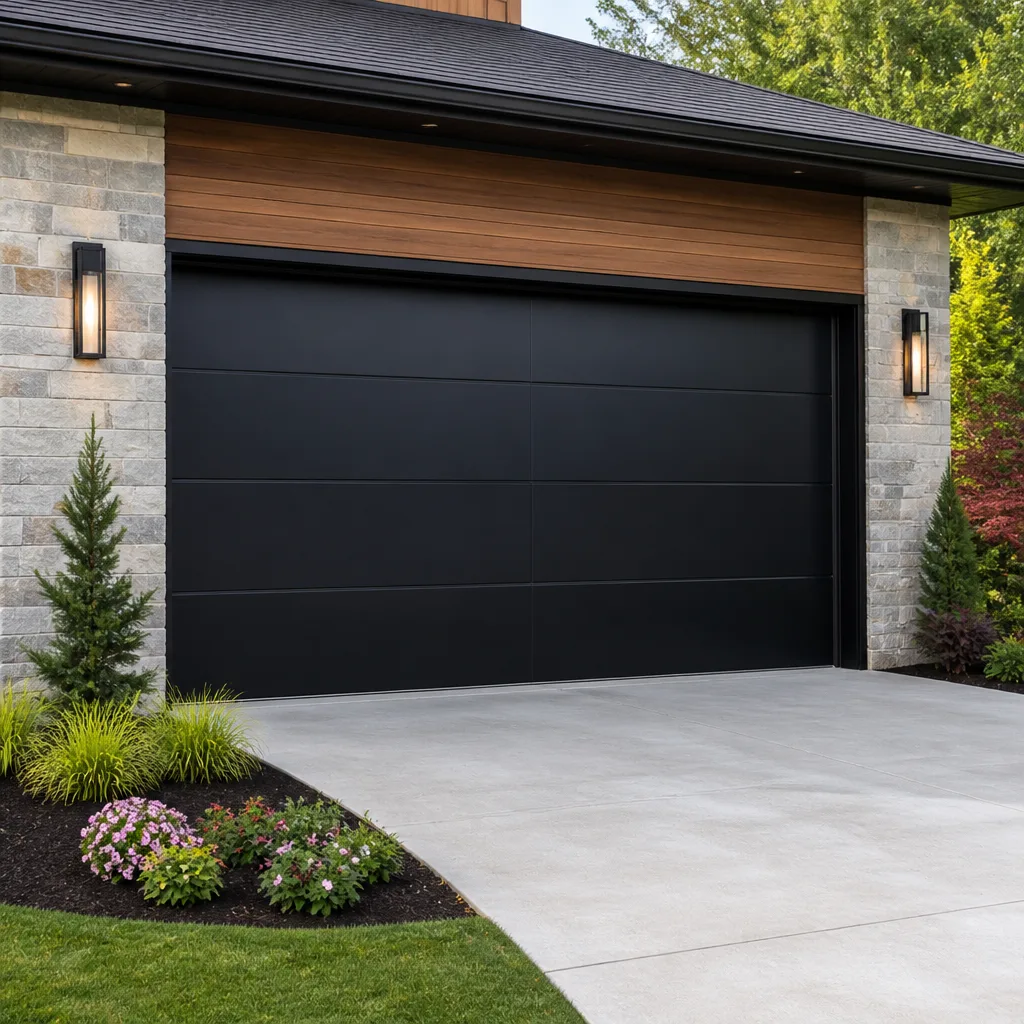 Modern flush
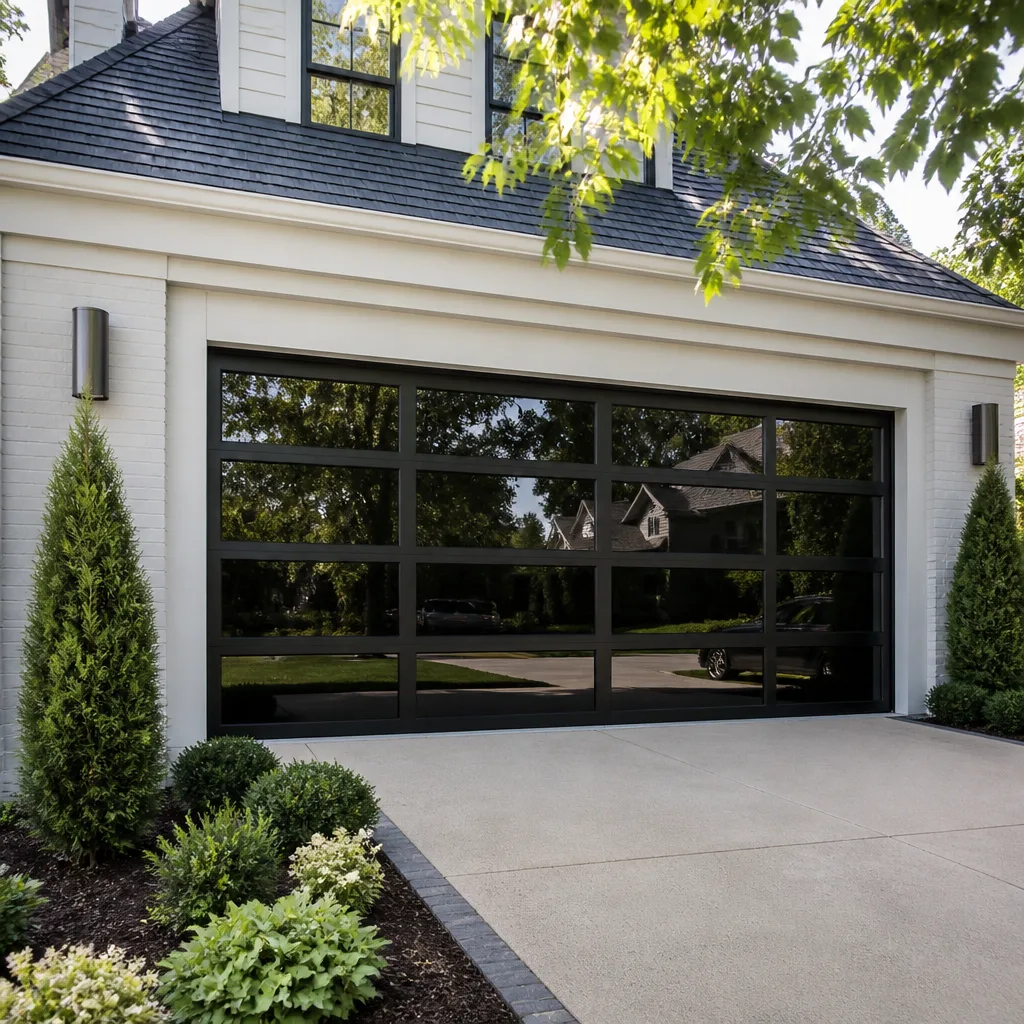 Full-view glass
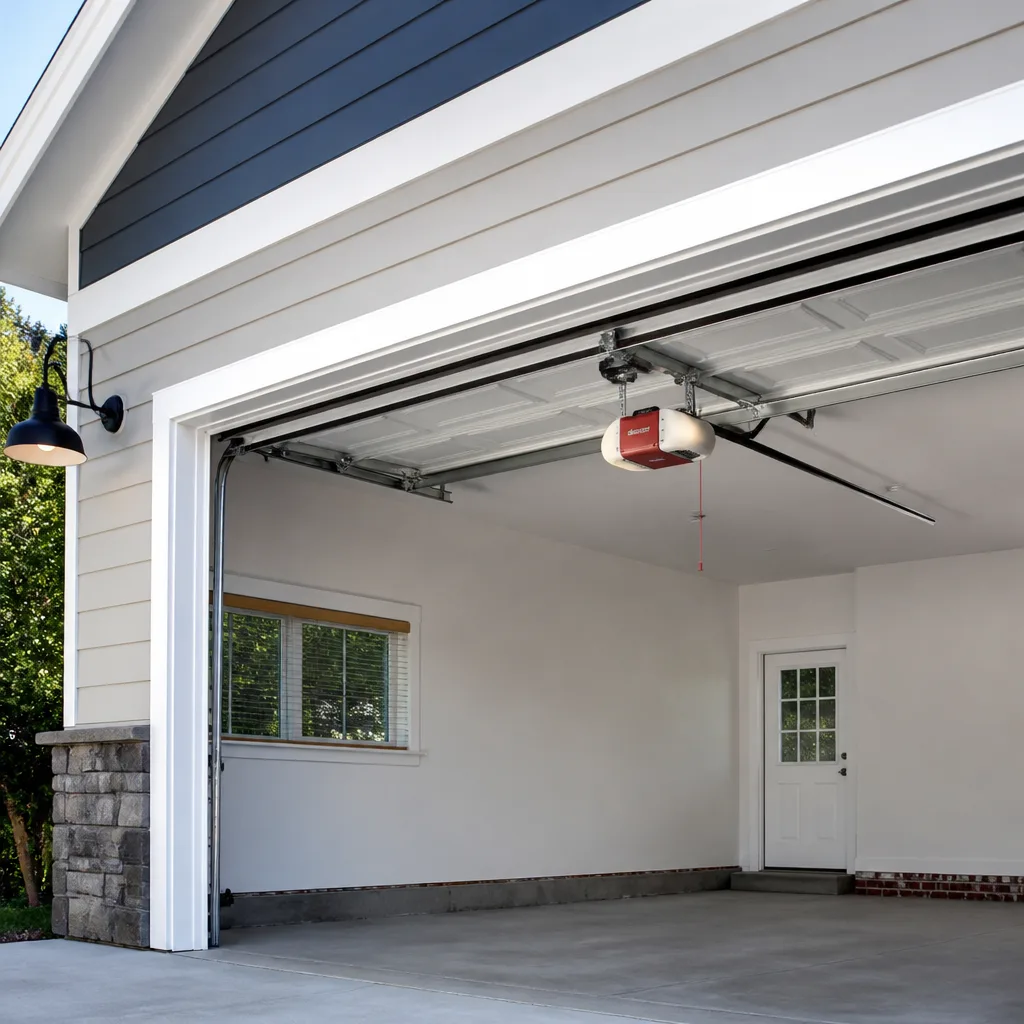 LiftMaster openers
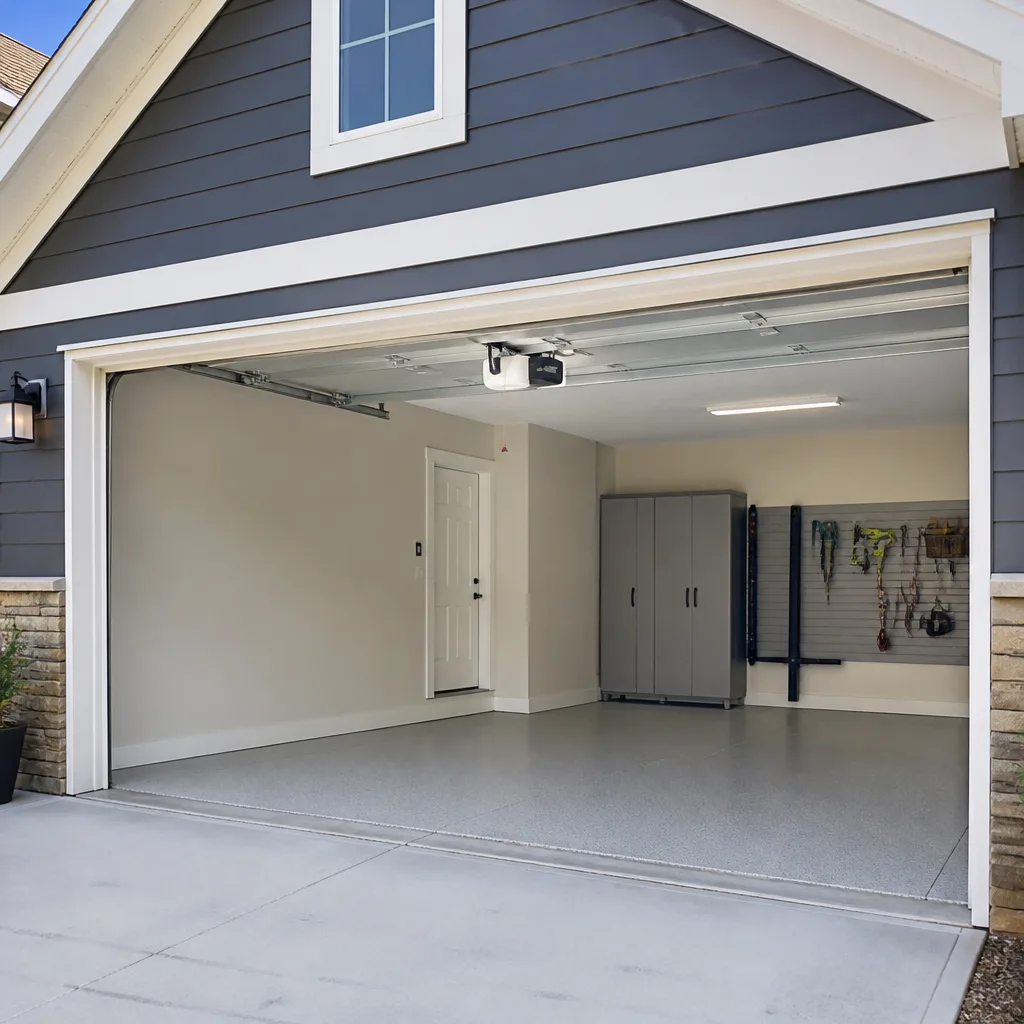 Chamberlain openers
Full 25-point door and opener safety check with every visit - springs, cables, rollers, tracks, and your LiftMaster or Chamberlain opener included
You get a price before we start. It does not change when the pro arrives.
Get your free estimateGarage Door Repair Maintenance Checklist for St. Charles Homeowners
Most garage door maintenance advice on the internet was written by people who’ve never held a winding bar. The checklists are so vague they give homeowners false confidence, while missing the three checks that actually prevent emergency callouts. “Lubricate moving parts” tells you nothing about which lubricant, on which part, or why the wrong one quietly wrecks your weather seal. And “check your springs” is useless if you don’t know what a failing spring looks like before it snaps. This guide fixes that. We’ll cover spring tension you can read safely from the floor, the right lubricant for each component, the exact cable fraying threshold that means stop, and force-limit tests specific to the openers most common in St. Charles garages. What follows comes from doing this work every day.
Quick Answer
A garage door maintenance checklist for St. Charles should focus on five things: reading torsion spring tension from a safe distance, lubricating each component with the correct product (silicone on seals, white lithium on moving metal), inspecting cables for fraying past the serviceable threshold, testing the opener’s force limit and auto-reverse monthly, and matching service intervals to how often your door cycles – not to calendar dates. A door that cycles 10 times a day wears three times faster than one that cycles three times, and the checklist should reflect that. Everything here can be done safely from the floor; spring replacement is the one job that always belongs to a trained professional.
Styles & brands we work with
- Raised-panel steel
- Carriage house
- Modern flush
- Full-view glass
- LiftMaster openers
- Chamberlain openers
Table of Contents
- Spring Tension: What a Healthy Spring Looks Like
- Which Lubricant Goes Where (and What to Never Use)
- Cable Fraying: The Threshold That Means Stop
- Opener Force-Limit and Auto-Reverse Tests
- Maintenance Frequency by Usage Cycles, Not Months
- Rollers, Hinges, and Track Checks
- What St. Charles Weather Does to Your Door
- Common Mistakes to Avoid
Spring Tension: What a Healthy Spring Looks Like
Your torsion spring is the part that actually lifts the door; the opener only starts the motion. A healthy torsion spring holds a tight, even coil with no gaps between the turns and no rust bloom along its length. You can assess all of this from the floor without touching it. What you’re looking for is consistency – the spring should look the same along its whole length. A spring nearing the end of its life usually shows one or more of these warning signs:
- Gaps between coils when the door is fully closed. Even spacing means even tension.
- Rust streaks or flaking metal, especially at the ends where the winding cones grip.
- A visible sag in the middle of the coil.
- Loud popping or booming during the first and last few feet of travel.
- The door feeling suddenly heavier when you lift it by hand with the opener disconnected.
A properly tensioned spring makes a disconnected door feel manageable – it should lift with one firm, steady pull and stay roughly in place when you let go. If it drops or slams down, the spring has lost tension or broken. Never try to adjust or wind a torsion spring yourself. The stored energy in a wound spring is serious enough to cause injury in a fraction of a second, which is why this is the one job we always recommend to a trained technician. A quick look from the floor tells you what you need to know. If those signs are showing up, professional garage door spring repair is the safer path, and getting there before a snap prevents a trapped car or an unsecured house.
Which Lubricant Goes Where (and What to Never Use)
Not all garage door lubricants are interchangeable, and using the wrong one on a rubber seal or a nylon roller does more damage than no lubricant at all. Here’s how we break it down for St. Charles homeowners. Each product has a specific job:
- White lithium grease: the workhorse for metal-on-metal contact. Use it on hinges, torsion spring coils, bearing plates, and the pivot points of the top and bottom brackets.
- Silicone spray: the only lubricant that belongs on rubber. Apply it to the weather seal along the bottom of the door and the sides of the frame to keep it pliable through freezing winters and humid summers.
- Light machine oil (3-in-1 style): useful for nylon roller bearings and the small pivot points in the opener rail and carriage. A few drops go a long way.
- Chain and cable lubricant: for chain-drive openers (LiftMaster and Chamberlain both make chain-drive models), a chain lubricant that won’t fling off keeps the drive quiet and reduces wear on the sprocket.
What should never touch your door: WD-40 in its standard form (a solvent, not a lasting lubricant – it strips existing grease), motor oil, and any product containing petroleum distillates on rubber seals. Petroleum products dry out and crack EPDM seals, and once the seal hardens it lets in drafts, water, and pests. Apply lubricants sparingly with the door closed. Excess grease collects grit, and grit accelerates wear on every moving part it touches. A thin, even film is the goal.
Cable Fraying: The Threshold That Means Stop
Lift cables run from the bottom corners of the door up to the drums at the shaft. They’re under constant tension, and every cycle flexes them. When inspecting, look at the cable along its full length – from the bottom bracket up to the drum – paying special attention to the sections that run over the pulleys and around the drums.
Here is the visual threshold that matters. A single broken wire or two is a watch item; note it and check again in a month. The cable is still serviceable, though it won’t stay that way. Once you can see three or more broken wires in any one section, or any visible kink, birdcaging (where the strands splay outward like a fan), or rust discoloration along the length, the cable is a liability and should be replaced. A frayed cable can snap under load, and if it does, the door drops on one side. If one cable is worn, replace both at the same time. They wear as a pair, and a new cable mated to an old one loads them unevenly.
One safe observation: watch the cables as the door opens and closes. They should spool smoothly onto the drums with no jumping, overlapping, or slack. If a cable comes off the drum, stop operating the door and call for service – running the opener on a dismounted cable can warp the drum or drop the door. Cable replacement is not a homeowner repair, and we treat any cable issue as a stop-and-call situation.
Opener Force-Limit and Auto-Reverse Tests
The auto-reverse test is the most important safety check on your entire door, and it takes a minute. Here’s the general procedure, then the brand-specific notes for the openers we see most in St. Charles garages: LiftMaster, Chamberlain, and Genie, along with the many Craftsman units still running strong in older homes.
- With the door fully open, place a 2×4 block flat on the floor in the center of the opening.
- Press the wall control to close the door.
- The door should reverse on contact with the block and return to the open position.
- If it doesn’t reverse, the down force is too high or the safety sensors are misaligned – do not use the door until this is corrected.
- Separately, test the photo-eye sensors: pass an object through the beam while the door closes and confirm it reverses.
On LiftMaster and Chamberlain openers (both brands share much of their engineering), the force limit and travel limits are usually adjusted with the up/down and force screws on the back of the motor housing – newer models use a control panel with labeled buttons. Genie units typically use similar adjustment screws, though the layout varies by series. Craftsman openers, common in garages from the 1990s and 2000s, generally follow the same screw-adjustment pattern. The principle is the same across brands: the door must reverse with minimal resistance, and the force limit should be set as low as possible while still completing a full close. If you can’t find your adjustment or can’t get the door to reverse reliably, professional garage door opener repair resolves it quickly.
Maintenance Frequency by Usage Cycles, Not Months
Calendar-based advice is wrong for most homes. A family that cycles the door 10 times a day puts three times the wear on every component compared to one that cycles it three times – and both are told to “service annually.” Instead, count your actual cycles. The opener’s travel counter or your daily routine gives you a rough number. Then use this table:
- 3 cycles/day (about 90/month): lubricate moving parts twice a year, inspect cables and springs quarterly, test auto-reverse monthly.
- 5 to 6 cycles/day: lubricate three times a year, inspect cables and springs every other month, test auto-reverse monthly.
- 10 or more cycles/day (home-based businesses, multi-driver households): lubricate quarterly, inspect cables and springs monthly, test auto-reverse monthly, and expect spring and roller replacement at shorter intervals.
- Any door, regardless of use: a full professional inspection once a year catches things a visual check won’t – worn bearings, out-of-balance doors, and motor strain that shows up before failure.
Season changes are a useful prompt too. When you switch the clocks or change the furnace filter, walk out and look at the door. That habit, plus cycle-based intervals, keeps St. Charles doors out of emergency territory far more reliably than a fixed calendar. When something on that inspection turns up, our garage door repair team handles the fix and tells you plainly what’s wearing and what’s still got life in it.
Rollers, Hinges, and Track Checks
The small parts carry the door, and they’re where quiet operation comes from. Nylon rollers should spin freely and show no flat spots or visible cracks. Steel rollers (common on older doors) develop flat spots and get noisy; they’re inexpensive and worth swapping when they start to rumble. Hinges, especially at the bottom corners where the door flexes most, wear at the pivot and loosen – a little lithium grease and a check for wobble keeps them honest.
For the tracks, use a rag and mild soap, not grease. Tracks should be clean and straight, with equal gaps to the rollers on both sides. Run your hand along the inside edge (door off, or door closed) and feel for dents, kinks, or any spot where the roller binds. Never bend a track back by hand to “fix” it – kinked steel loses its shape and the roller will bind again. Check the door balance with the opener disconnected: a door that opens and closes smoothly by hand, staying put mid-travel, is balanced. One that slams or won’t hold position needs professional adjustment. Weather seals, the bottom seal in particular, should sit flat against the floor with no gaps; a worn bottom seal is the most common source of water and draft intrusion in St. Charles garages during spring storms and winter thaws.
What St. Charles Weather Does to Your Door
St. Charles sits in a climate of real temperature swings – hot, humid summers and cold winters with freeze-thaw cycles. That does specific things to garage door hardware. Metal expands and contracts with the seasons, which loosens fasteners and stresses hinge pivots; a screw that’s snug in July can back out by January. The humidity works on any bare metal, and the spring – the most highly stressed part – is where rust does the most damage, weakening the coil from the inside. Winter freeze-thaw also works on the bottom seal, which hardens and cracks when it’s cold and pulls away from the floor as the slab shifts.
So St. Charles homeowners should weight the seasonal checks accordingly. Before the first hard freeze, lubricate the springs and hinges, confirm the bottom seal is pliable and sitting flat, and test the auto-reverse – a stiff seal or a cold-thickened mechanism changes how the door closes. In spring, after the freeze-thaw season, look for loose fasteners, rust bloom on the springs, and any cable wear that worsened over the winter. The rest of the year, cycle-based intervals take over. The location also matters: neighborhoods on the newer edges of St. Charles often have doors that are only a few years old and running well, but downtown-adjacent homes and older subdivisions frequently have original hardware worth a closer, professional look.
Common Mistakes to Avoid
- Lubricating the tracks. Tracks should be clean and dry. Grease on the tracks attracts grit that grinds the rollers and makes the door louder, not quieter. Save the grease for the hinges, springs, and pivots.
- Using WD-40 as a door lubricant. It’s a solvent, not a lasting grease, and it strips the protective film off the parts it touches. Use white lithium or silicone spray instead, chosen by component.
- Ignoring a noisy door. Noise is a symptom, not a personality trait. Squealing usually means dry hinges or a dry opener chain; rumbling means rollers; a boom means spring or balance issues. Each points to a specific fix.
- Winding or adjusting a torsion spring yourself. This is the single most dangerous garage door repair there is, and the stored energy can cause serious injury in an instant. Watch the spring from the floor; leave the winding to a trained technician.
- Skipping the auto-reverse test. It’s the one check that prevents a serious injury, and it takes a minute. Do it monthly, every month, on every door.
- Replacing one spring instead of the pair. Matched springs wear together. A new spring next to an old one loads the system unevenly, and the old one tends to fail soon after anyway.
- Waiting for a full failure before calling. A failing spring, fraying cable, or binding roller rarely fixes itself. Catching it on a checklist visit costs far less than an emergency call with the car trapped inside.
When to Call a Professional
Some of this checklist is safely yours: the visual inspection, the auto-reverse test, the lubrication with the right products. Some of it never is. Call a professional if you see three or more broken wires in a cable, any birdcaging, a kinked or dismounted cable, or a gap in a torsion spring’s coils. Call if the door won’t reverse on contact with an object, if a disconnected door slams down or won’t hold position, if the opener strains or stops mid-travel, or if the door comes off its track. And call us at St. Charles Garage Door Repair Pros for a free estimate in St. Charles – call (877) 685-1815. Our technicians have up to 14 years of experience, garage doors are all we do, and we show up knowing your system before we touch your door. We also offer emergency garage door service when something fails at the worst time.
See the difference
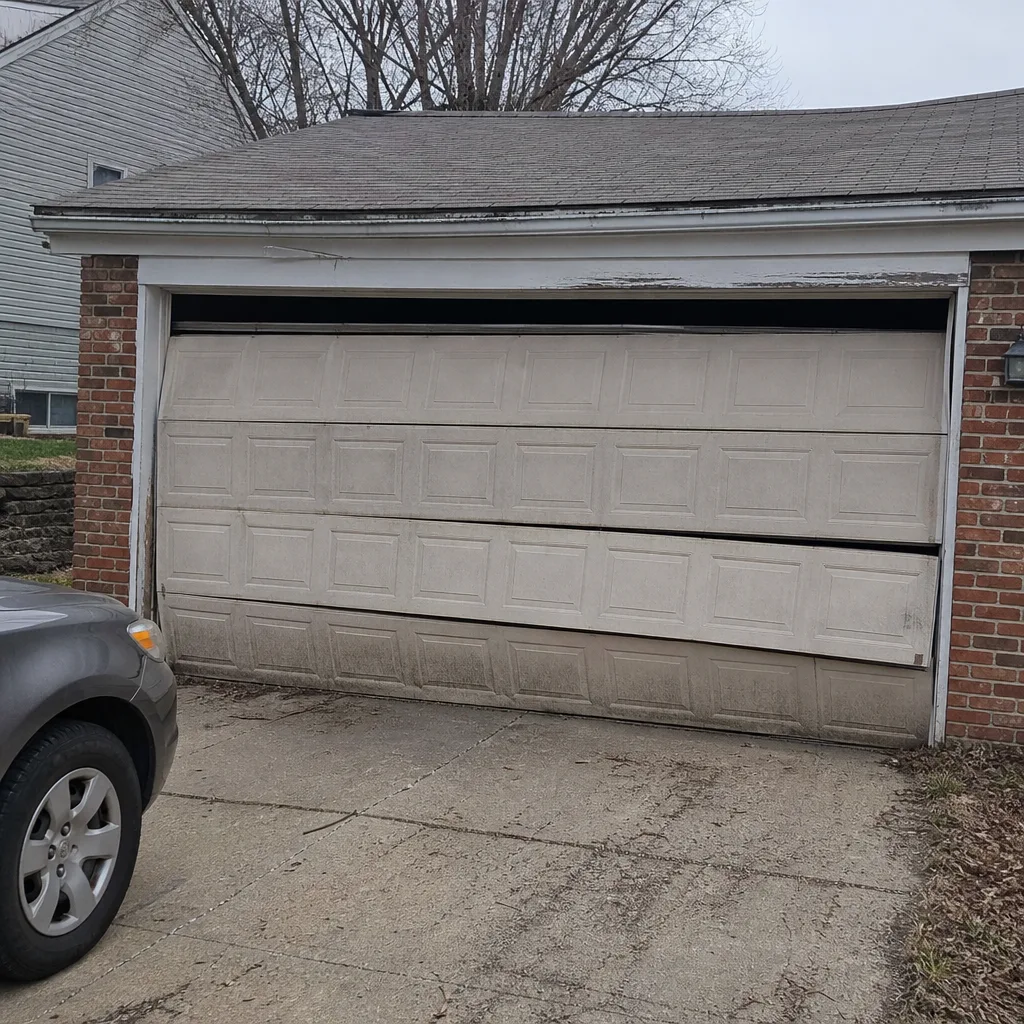 Before
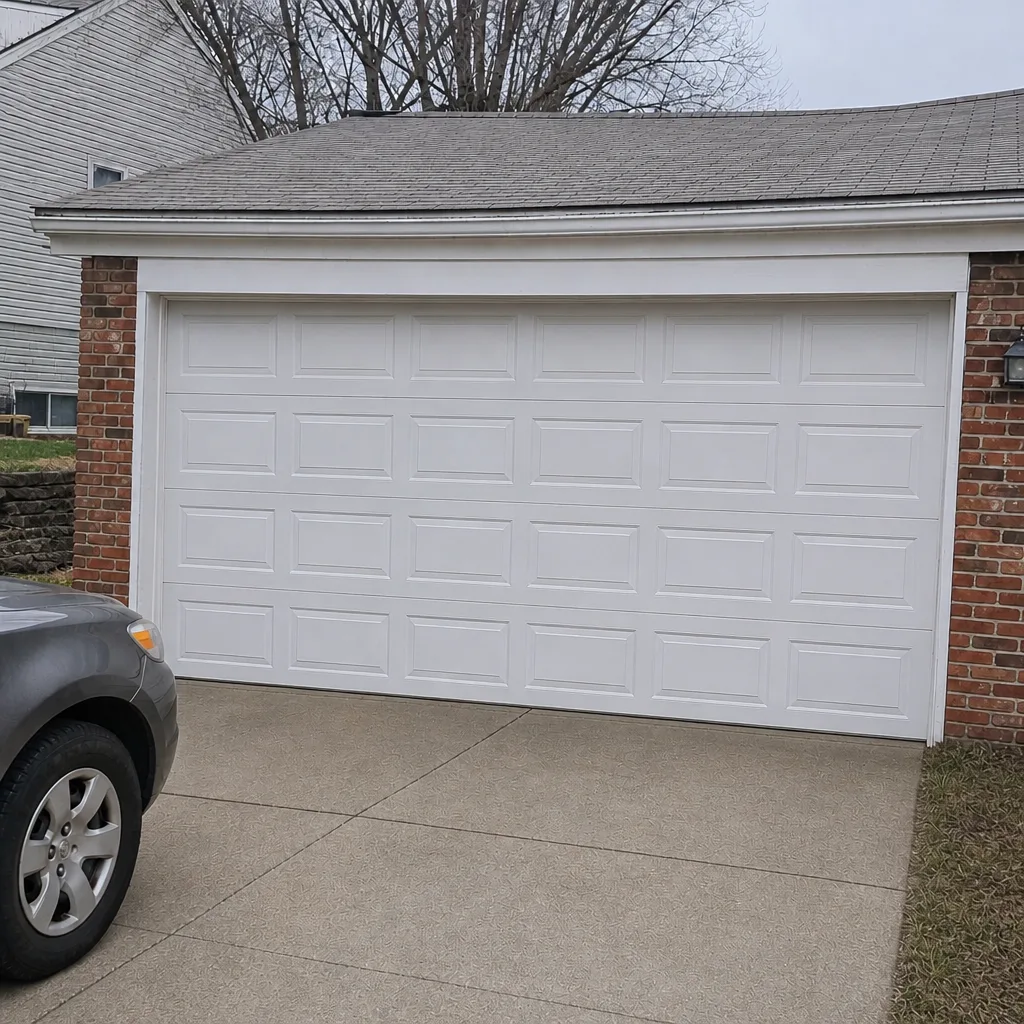 After
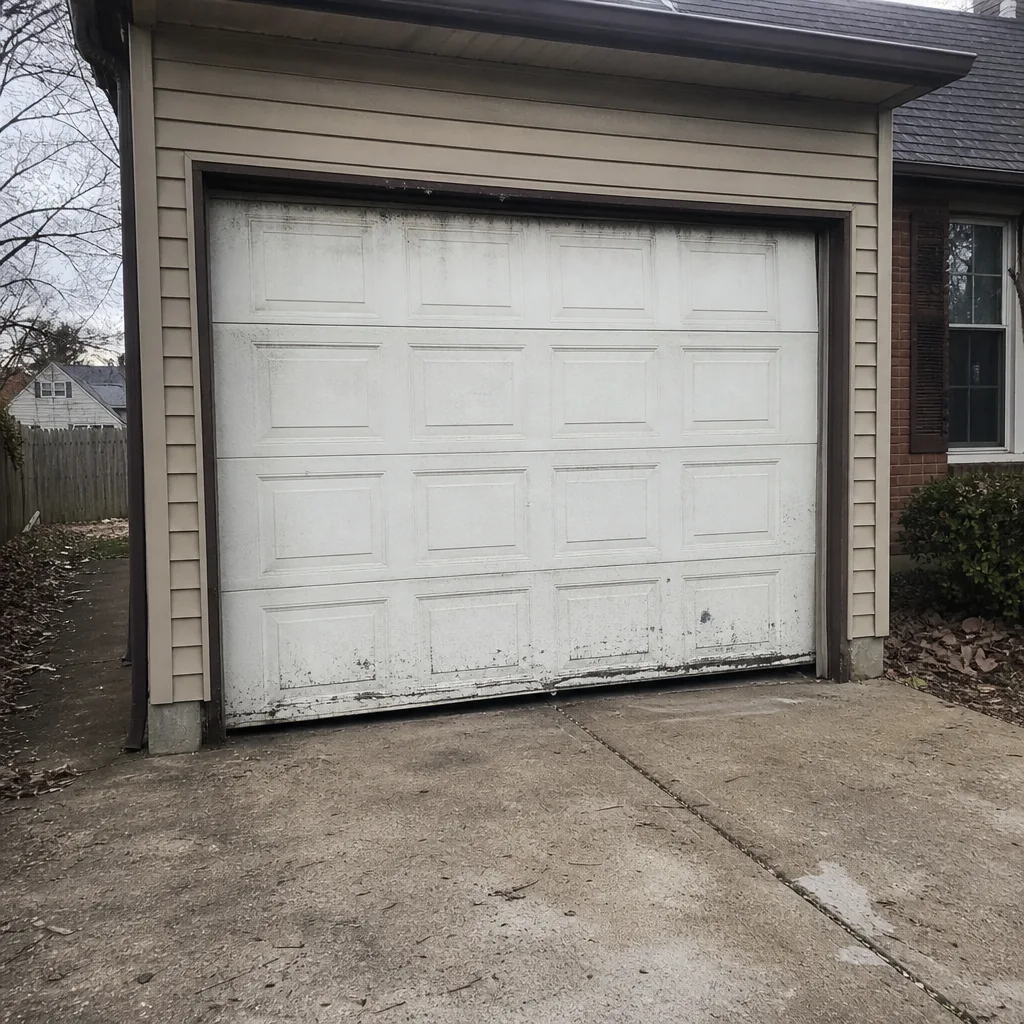 Before
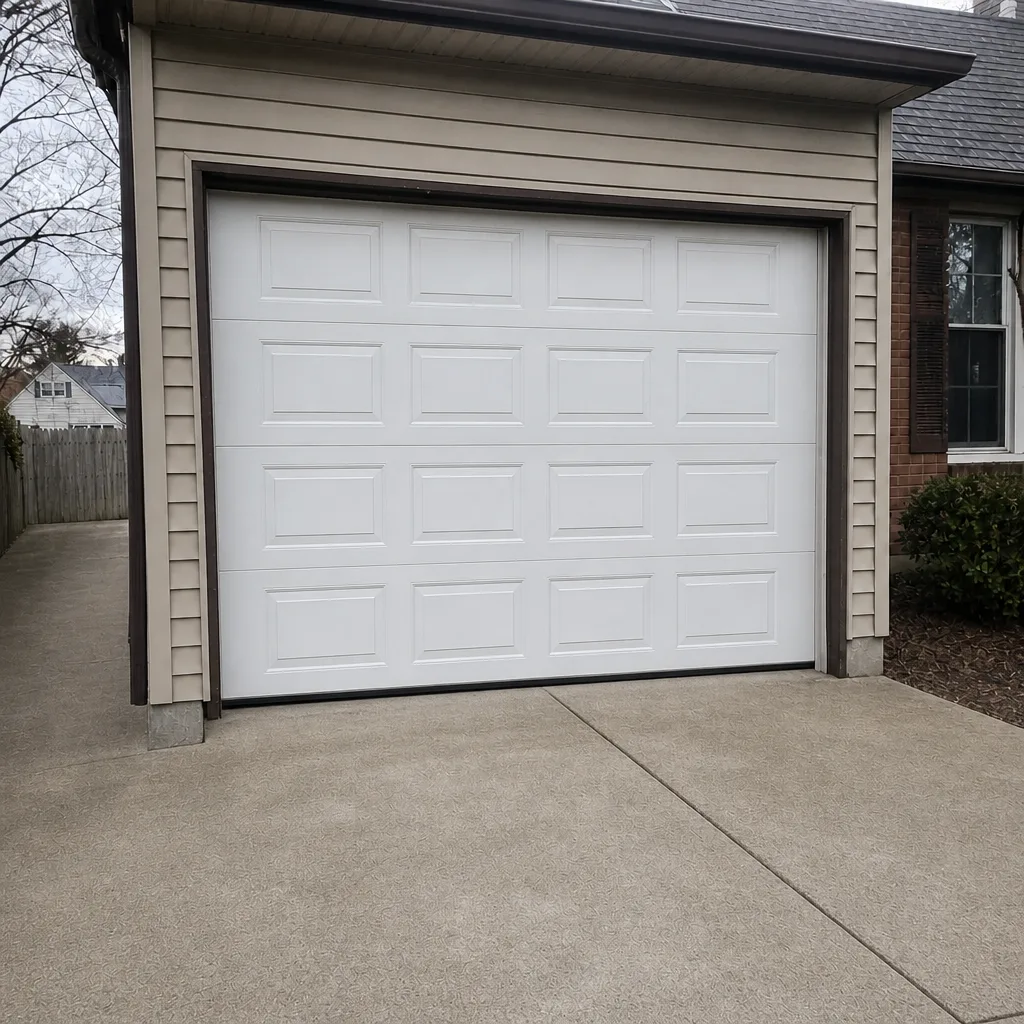 After
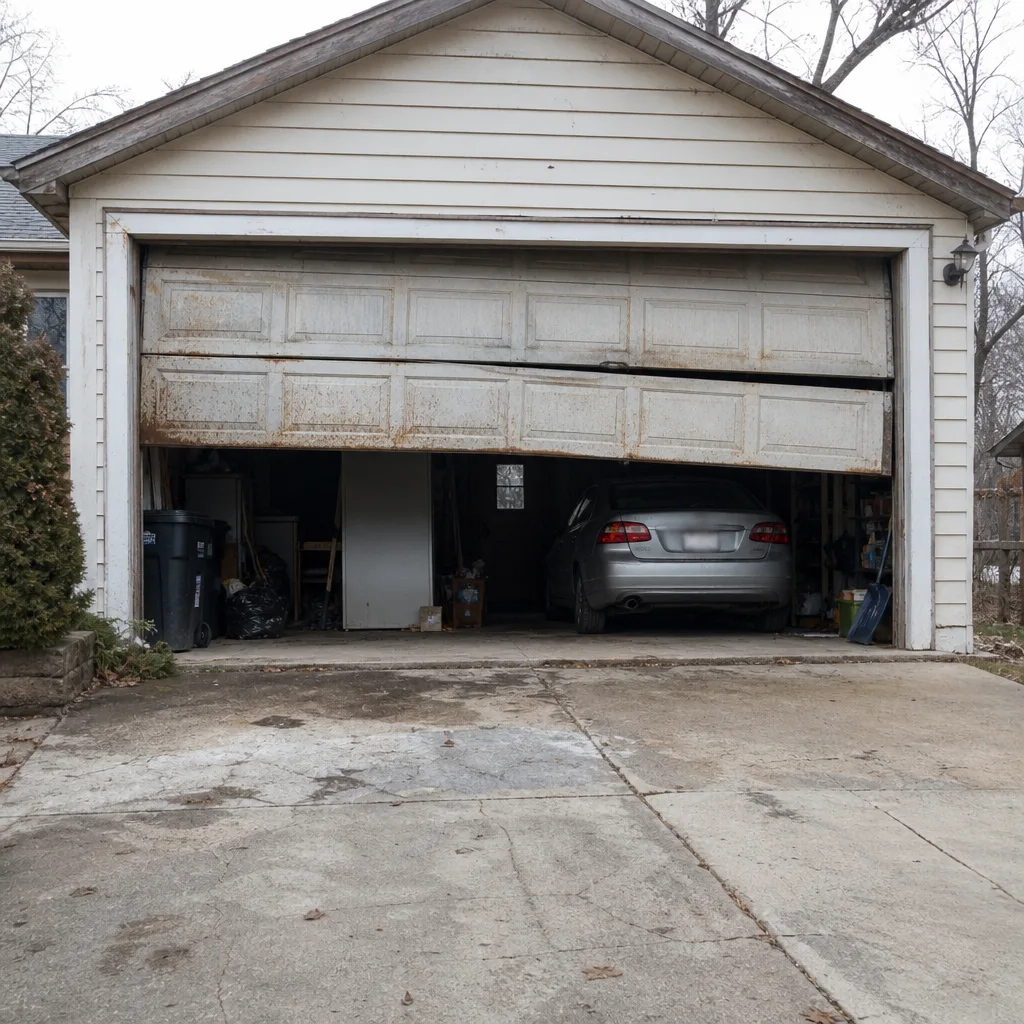 Before
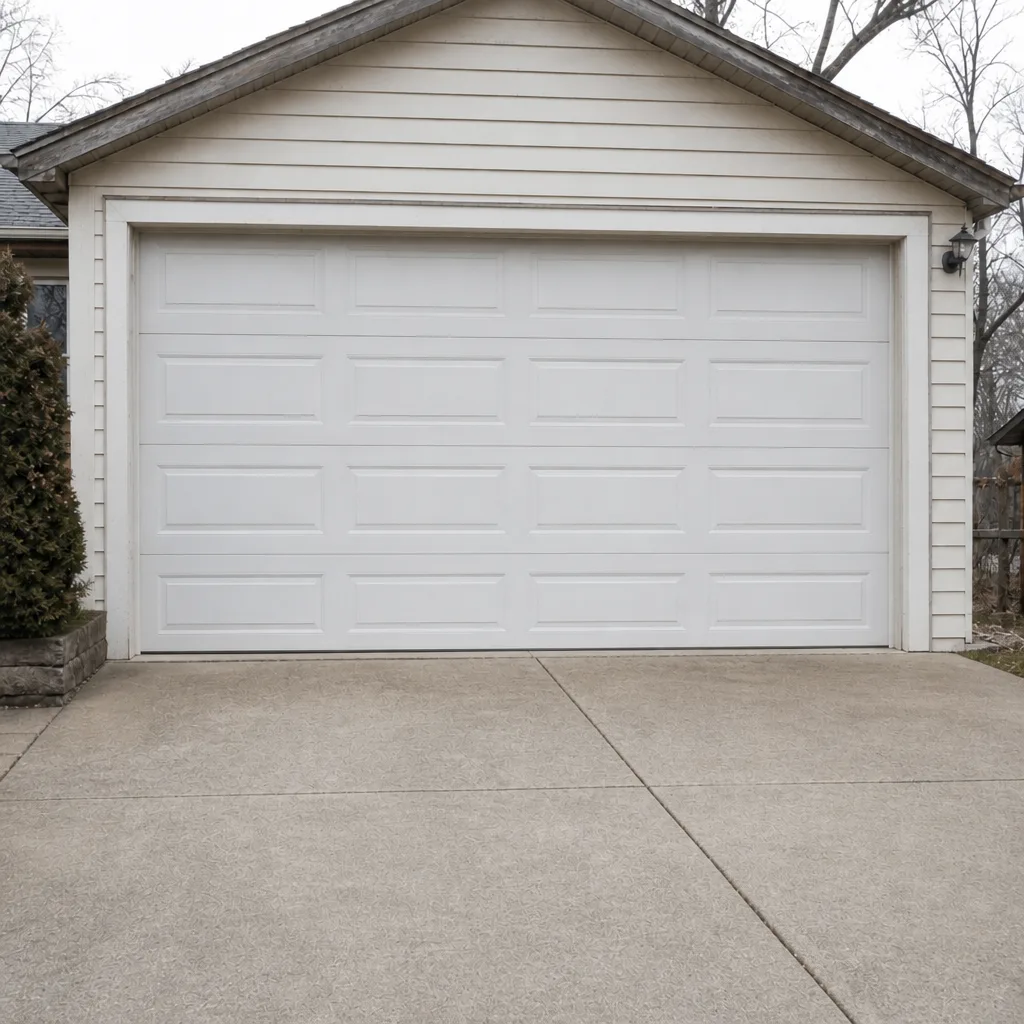 After
Frequently Asked Questions
Base it on usage, not the calendar. A door cycling 3 times a day needs lubrication twice a year and cable and spring checks quarterly; one cycling 10 or more times a day needs quarterly lubrication and monthly inspections. Add one professional inspection a year, and test the auto-reverse every month regardless. Call (877) 685-1815 for a free estimate – the written quote sets the final price and is agreed before any work starts.
White lithium grease for the springs, hinges, and metal pivot points; silicone spray on the rubber weather seal; light machine oil on nylon roller bearings; and a chain lubricant for chain-drive openers. Never use standard WD-40 or motor oil, and never put petroleum products on rubber seals, which dry out and crack. Call (877) 685-1815 if you want us to look the door over.
No. Torsion springs store enough energy to cause serious injury in a fraction of a second, and they require proper winding bars, safety procedures, and training to handle safely. Spring replacement is the one job we always advise homeowners to leave to a trained technician. Our technicians have up to 14 years of experience with this specific repair. Call (877) 685-1815 for a free estimate.
Place a 2×4 flat on the floor in the door’s path, press close, and confirm the door reverses on contact and returns to open. If it doesn’t, the down force is too high or the sensors are misaligned – stop using the door until it’s corrected. LiftMaster and Chamberlain force and travel limits adjust with labeled screws or a control panel on the motor, depending on the model. Call (877) 685-1815 if the door won’t reverse reliably.
A serviceable cable may show a single broken wire or two. Once three or more wires are broken in one section, or you see a kink, birdcaging (splayed strands), or rust along the length, the cable is a liability and should be replaced. Stop using the door and call (877) 685-1815 – cable repair is not a homeowner job.
We service all the major brands, including LiftMaster, Chamberlain, Genie, Clopay, Amarr, Wayne Dalton, Craftsman, and Raynor. We work on these systems every day, so there’s no learning curve on your dime, whether the door is newer or a Craftsman unit that’s been running for years. Call (877) 685-1815 for a free estimate.
The Bottom Line
The checklists you find most places tell you to keep things lubricated and watch for problems. This one tells you how to actually read your door: what a healthy spring looks like from the floor, the correct lubricant for each component, the fraying threshold that means stop, and the force-limit tests for the openers most common in St. Charles. Match your intervals to how hard the door works, not to months on a calendar. Handle the safe checks yourself, and for the springs, cables, and any door that won’t reverse or stay balanced, call a trained professional. Used together, that’s what keeps a garage door out of the emergency category, year after year.
Get a Free Estimate From St. Charles Garage Door Repair Pros
If your checklist turns up something – a spring losing tension, a frayed cable, an opener that won’t reverse, or a door that’s just gotten loud – we’re the single call. St. Charles Garage Door Repair Pros is a garage door specialist, handling repair, opener service, spring replacement, and new installation, with emergency service when a door fails at the worst time. We work on all eight major brands and our technicians have up to 14 years of experience. Call (877) 685-1815 for a free estimate, and we’ll show up knowing your system before we touch your door. Learn more about St. Charles Garage Door Repair Pros and what we cover.
Written by the team at St. Charles Garage Door Repair Pros.