Last updated November 22, 2026
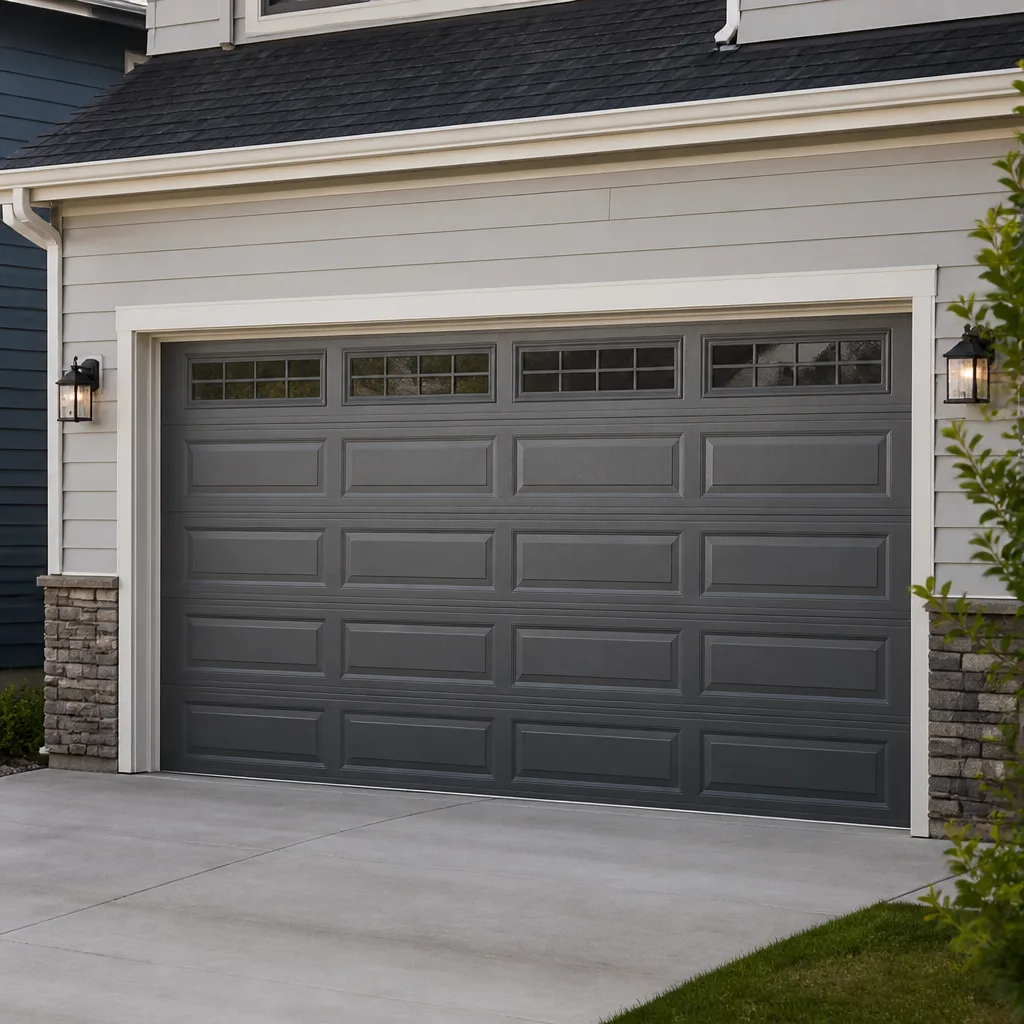 Raised-panel steel
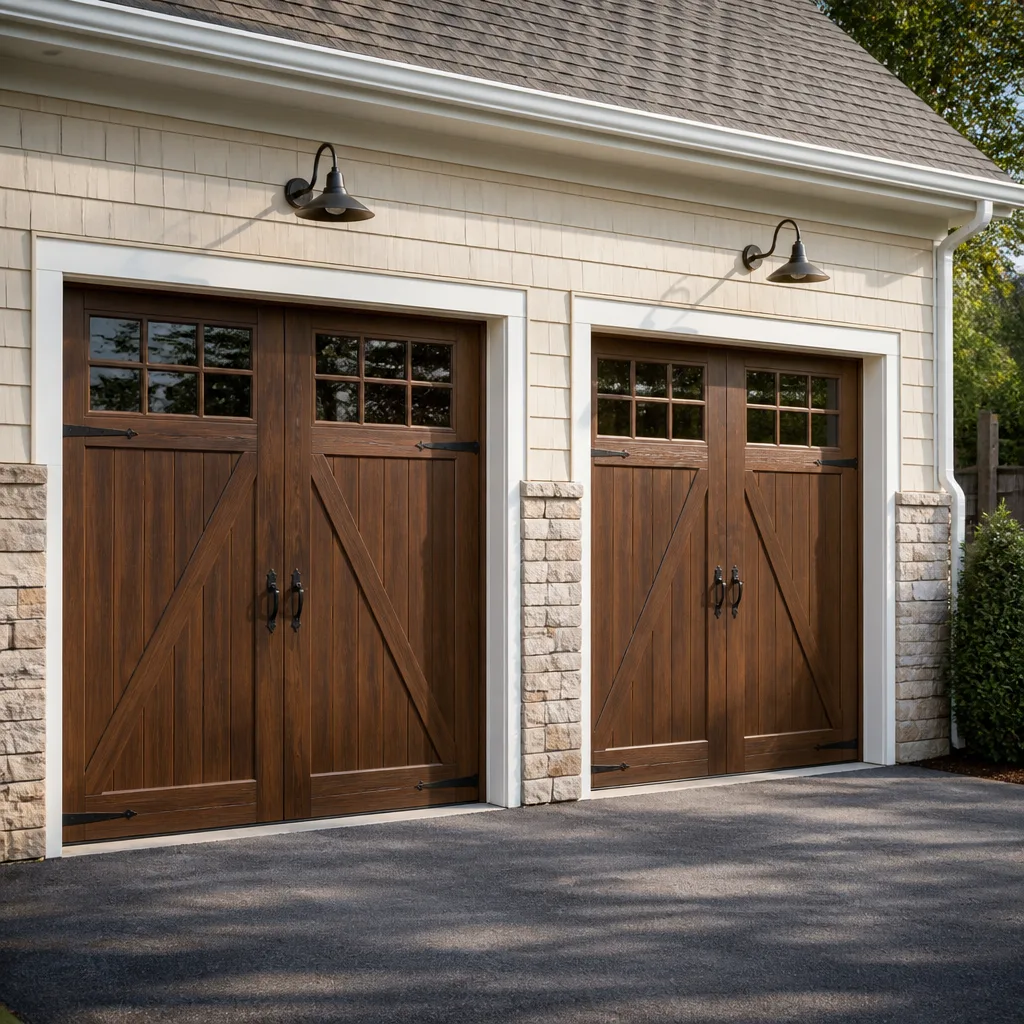 Carriage house
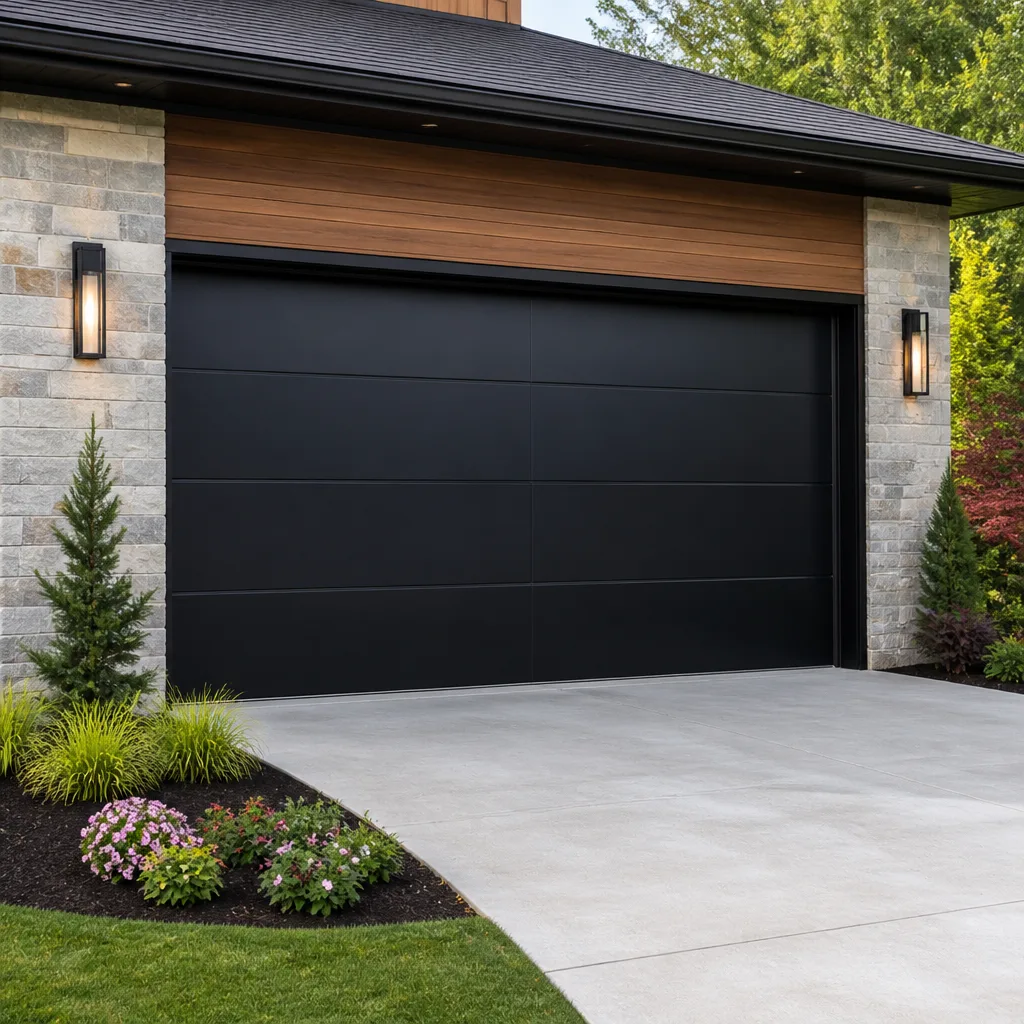 Modern flush
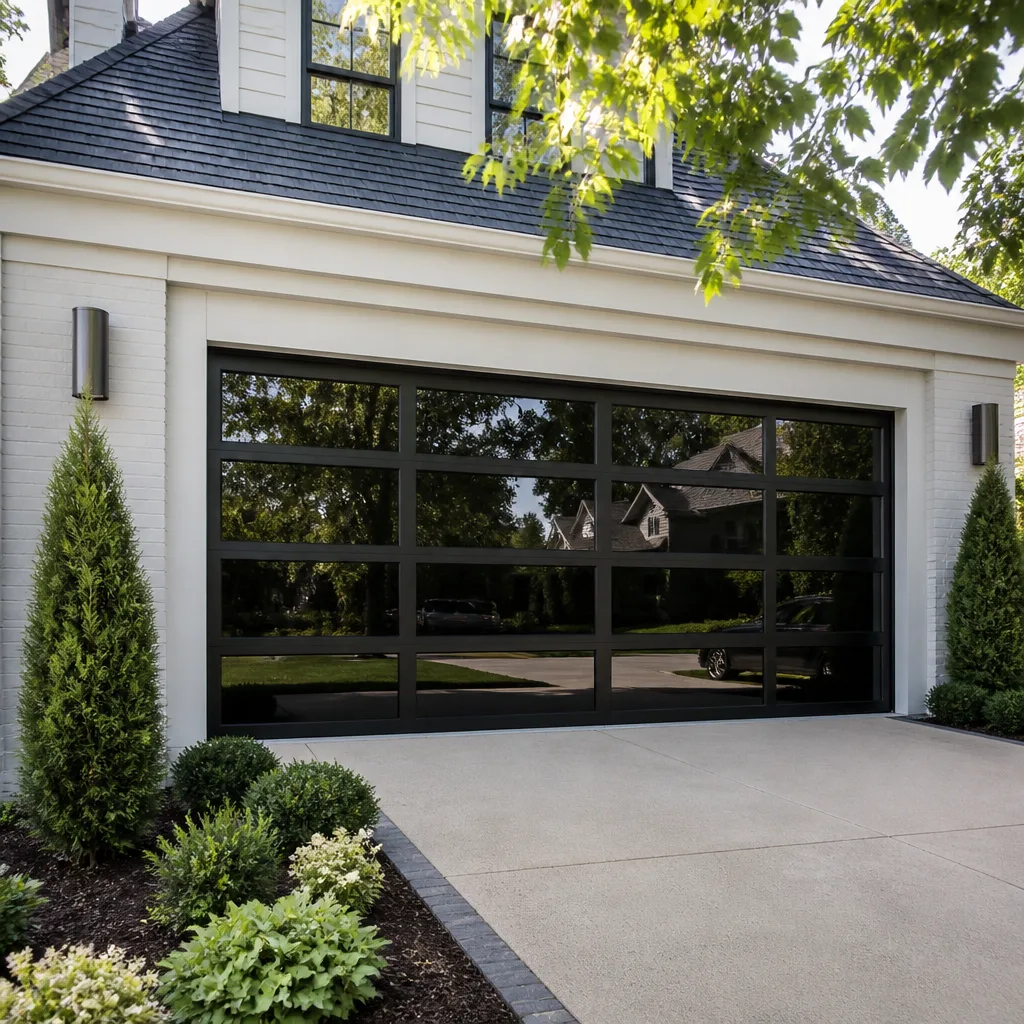 Full-view glass
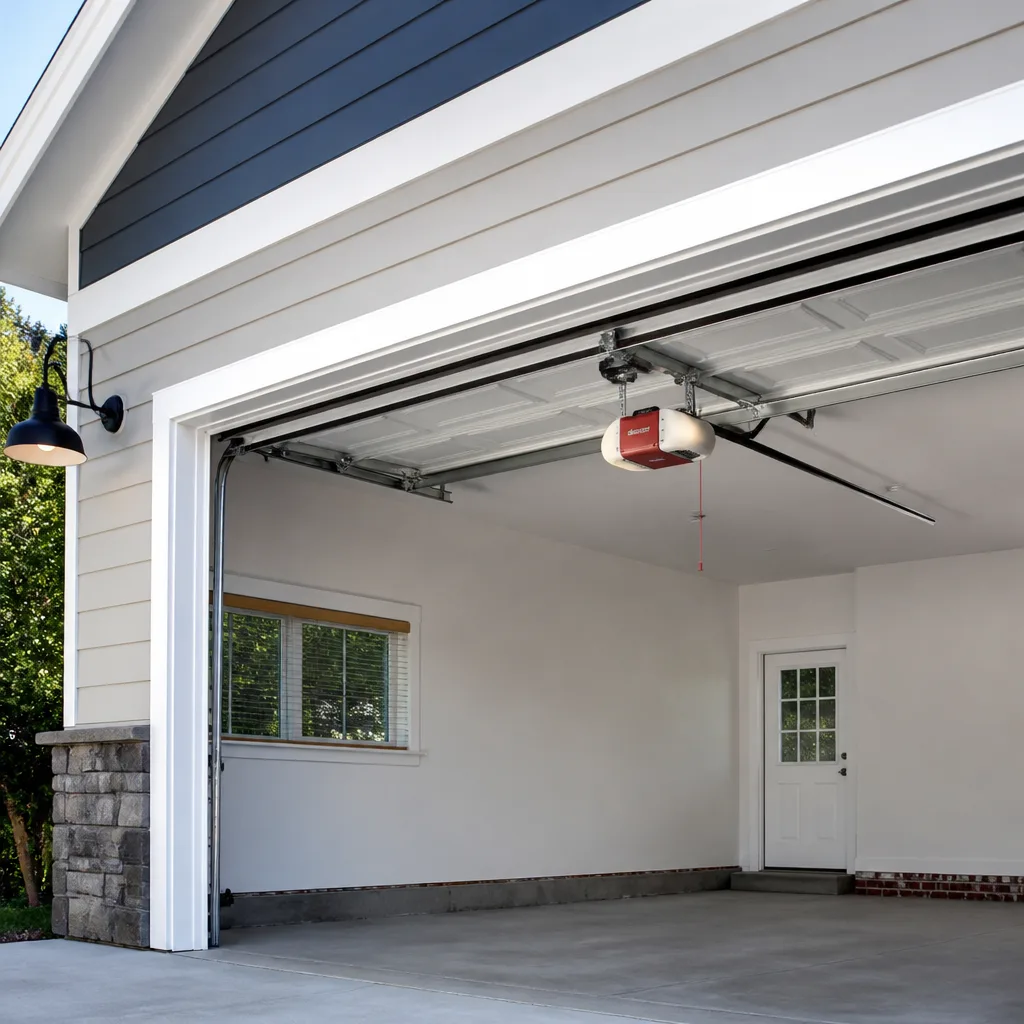 LiftMaster openers
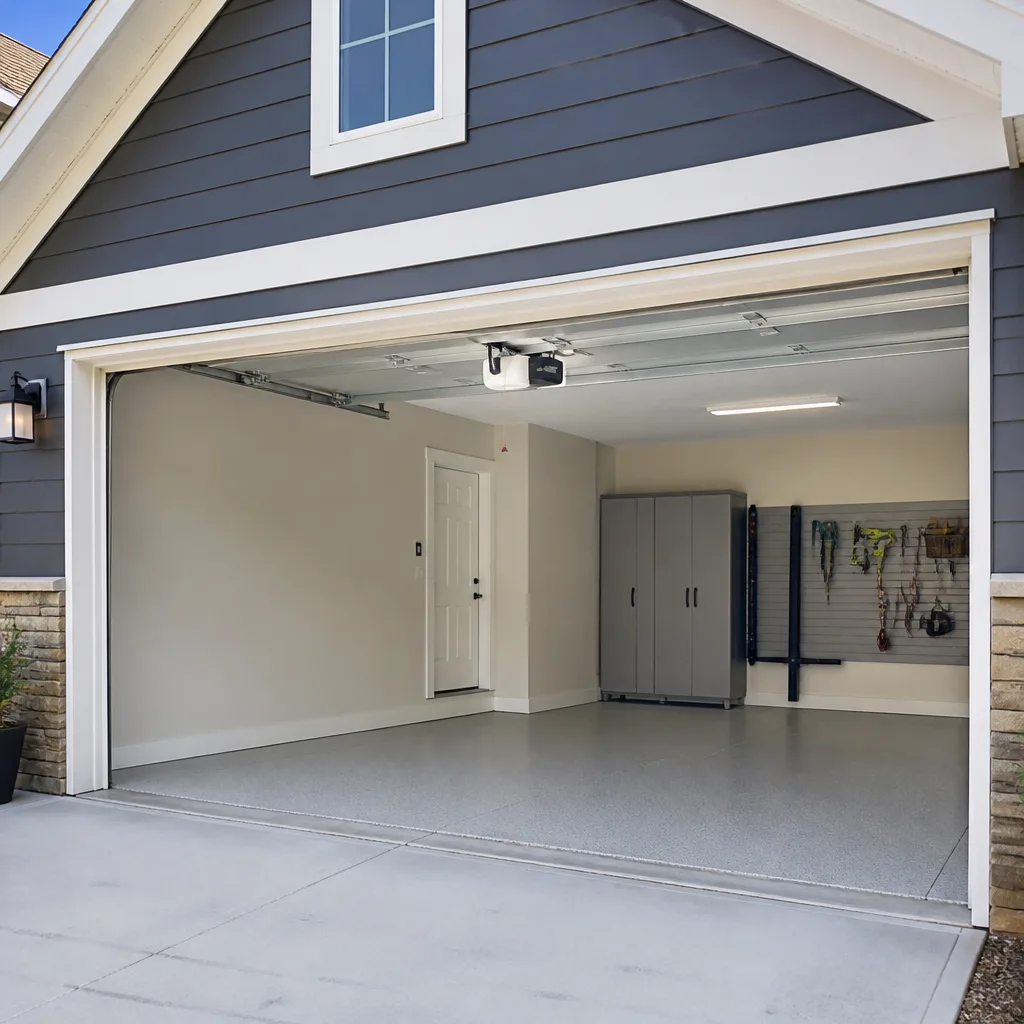 Chamberlain openers
Full 25-point door and opener safety check with every visit - springs, cables, rollers, tracks, and your LiftMaster or Chamberlain opener included
You get a price before we start. It does not change when the pro arrives.
Get your free estimateThe Complete Guide to Garage Doors in St. Charles
Most homeowners can describe how their furnace cycles, how their water heater recovers, even roughly how their dishwasher drains. Ask the same person what a torsion spring does, where the safety sensors sit, or why the bottom seal matters, and the answer usually stalls out. That gap is odd, because the garage door is the largest moving mechanical object in the house. It’s also the system most likely to strand you in the driveway on a morning you can’t afford it. This guide closes that gap. We’ll walk through how a garage door actually works as one interdependent machine, how St. Charles weather stresses it, and when a repair is worth it versus when it’s time to replace.
Quick Answer
A garage door is a balanced mechanical system: springs carry the door’s weight, cables connect the springs to the door, tracks guide it, and the opener supplies only a small push to move an already-balanced load. Most failures trace back to a worn spring, a frayed cable, or a misaligned track that overloads the opener. Understanding how those parts depend on each other is what separates a cheap fix from an expensive repeat visit.
Styles & brands we work with
- Raised-panel steel
- Carriage house
- Modern flush
- Full-view glass
- LiftMaster openers
- Chamberlain openers
Table of Contents
- How a Garage Door System Actually Works
- How St. Charles Weather Wears Down Door Hardware
- The Brand Landscape in St. Charles
- Cosmetic, Mechanical, and Safety Repairs: Why the Difference Matters
- Fix One Part or Replace the Whole Door?
- Springs, Cables, and the Safety Rules That Aren’t Optional
- A Maintenance Routine That Actually Prevents Breakdowns
- Common Mistakes to Avoid
How a Garage Door System Actually Works
Here’s the part most people miss: your opener doesn’t lift the door. It never has. The springs do the heavy lifting, and the opener’s motor only needs to overcome friction and inertia. Get the springs right and a 200-pound door floats up with two fingers of force. Get them wrong and the opener fights the full weight of the door until something gives. That’s why diagnosing a garage door is really about identifying which part of the balance system has drifted, not which component looks broken.
The parts work as one chain, and a weak link anywhere changes how everything else behaves:
- Torsion or extension springs store the energy needed to counterbalance the door’s weight. Torsion springs sit on a shaft above the door; extension springs run along the sides.
- Cables connect the springs to the bottom corners of the door. They’re under real tension, which is why a frayed cable is a safety problem, not a cosmetic one.
- Tracks guide the rollers and define the door’s travel path. A bent track doesn’t just look bad; it forces the opener to push harder.
- Rollers and hinges carry the door along the track. Worn rollers add drag that quietly shortens opener life.
- The opener drives the door along the balanced track. Belt, chain, screw, and jackshaft designs all do the same job differently.
- Safety sensors sit near the floor and reverse the door if something crosses the beam. They’re a legal requirement on modern openers and a genuine injury preventer.
- The bottom seal and weatherstripping keep out water, drafts, and pests, and they take the brunt of ground contact.
When a door “jumps” or “grinds” or reverses for no reason, the cause is almost always a relationship between two of those parts rather than a single bad component. That interdependence is the whole point of this guide, and it’s why we approach garage door repair as system diagnosis rather than part swapping.
How St. Charles Weather Wears Down Door Hardware
St. Charles sits in a climate that swings hard in both directions. Summers bring heat and humidity; winters bring repeated freeze-thaw cycles as daytime melt refreezes overnight. That combination is genuinely tough on garage door hardware, and it stresses parts differently than a mild coastal climate or a dry desert one would. The result is a maintenance pattern specific to this area, and homeowners who ignore it tend to see the same failures on repeat.
Here’s what the local weather actually does to the system:
- Freeze-thaw cycles work the bottom seal and the concrete under it. Water gets into a small crack, freezes, expands, and widens it. Over a season, seals tear and the door starts riding unevenly.
- Humidity swings affect wood and steel differently. A wood door swells and contracts through the year, which can throw off alignment; steel resists that movement but is vulnerable to rust where paint has failed.
- Cold snaps stiffen lubricant in rollers, hinges, and torsion hardware. A door that ran smoothly in October can feel heavy in January, and that extra drag loads the opener.
- Summer heat softens seals and can make aged springs lose tension faster. Springs that are already near the end of their life often fail in the first cold snap or the first big heat wave.
- Road salt tracked in on tires pits the bottom section, hinges, and any exposed metal near the floor line.
None of this means St. Charles doors fall apart faster than anywhere else. It means the wear pattern here favors the parts that face moisture and temperature change: seals, cables, hinges, and the spring hardware that absorbs the load. In our experience, a door in St. Charles that gets a seasonal once-over lasts noticeably longer between repairs than one that doesn’t. Call (877) 685-1815 if you’re not sure what shape your system is in; we’ll take a look and tell you honestly.
The Brand Landscape in St. Charles
Walk a few blocks in St. Charles and you’ll pass doors from Clopay, Amarr, Wayne Dalton, and a handful of other manufacturers, plus openers from LiftMaster, Chamberlain, Genie, and Craftsman. That mix isn’t random. Newer subdivisions tend to be built with a small set of dominant brands chosen by the builder for cost and availability, while older homes often carry whatever was installed at the time of a previous replacement. The split matters because it determines what parts are on hand locally and how quickly a repair can move.
Two patterns stand out in the St. Charles market:
- New-construction doors are usually recent enough that the manufacturer still supports them and common parts are easy to source. The brand on the door often reflects what the builder standardized on across the neighborhood.
- Retrofit and replacement doors on older homes cover a much wider range. A door installed years ago may come from a line that’s been redesigned, which means a technician has to match the existing hardware rather than order the current catalog part.
- Opener brands follow their own timeline. LiftMaster and Chamberlain share a lot of engineering, Genie has its own accessories, and Craftsman units are common on homes where the original opener was never swapped.
Why should a homeowner care? Because “we don’t work on that brand” is a real thing with some service companies, and it turns a two-hour fix into a hunt for someone who will take the job. We service Clopay, Amarr, Wayne Dalton, and Craftsman among other major brands, and we see them often enough that there’s no learning curve on your dime. When your opener’s acting up instead, the same specialized focus applies to garage door opener repair.
Cosmetic, Mechanical, and Safety Repairs: Why the Difference Matters
Not every repair is the same kind of repair, and mixing them up is one of the most expensive habits a homeowner can pick up. A cosmetic issue affects appearance. A mechanical issue affects function. A safety issue affects whether the door can hurt someone. The three get treated differently, priced differently, and prioritized differently. Confusing a cosmetic problem for a mechanical one wastes money on a fix that didn’t need to happen, and confusing a safety problem for a cosmetic one is genuinely dangerous.
Here’s how to tell them apart:
- Cosmetic repairs cover dents, scuffs, faded paint, and a crooked bottom seal that still seals. The door works correctly. Address them on your own schedule and budget; nothing is degrading while you wait.
- Mechanical repairs cover a spring that’s lost tension, a stuck roller, a bent track, or an opener that won’t respond to the remote. The door has stopped working properly, and left alone the problem tends to cascade into adjacent parts.
- Safety repairs cover frayed cables, broken springs (a snapped spring can send the door down hard), a non-reversing safety sensor, or a door that closes on an obstruction. These should be treated as stop-and-fix, not as scheduled maintenance.
A safety repair is never a “wait and see what happens” item. If a spring has broken, the door is unsupported and dangerous to operate. If the sensors aren’t reversing the door, someone can get hurt. Everything else can usually wait for a scheduling window that fits your week. If you’re in doubt, stop operating the door and call so someone can look at it. That’s what our garage door spring repair callout really is: a trained technician matched to a specific, high-risk job.
Fix One Part or Replace the Whole Door?
This is the question homeowners ask most often, and the honest answer depends on the number of failing parts more than the age of any single one. Repairing a single component makes sense when the rest of the system is sound. Replacing the door makes sense when you’d be paying to rebuild half of it. The mistake is treating a door that’s clearly past its service life like a continuing repair project, because you end up replacing the same kind of part twice within a few years.
Use this as a decision guide:
- Fix a single part when one component has failed, the door still balances well when disconnected from the opener, tracks are straight, and the panels are solid. This is the common case, and it’s the cheapest path.
- Fix a cluster of parts when two or three related components are worn together (rollers and hinges, for example, or spring and cables as a set). Bundling is usually cheaper than two separate visits.
- Consider replacement when the door is out of balance even after adjustment, the panels are compromised by rust or structural damage, replacement parts have become hard to source, or you’re looking at a repair bill that approaches the cost of a new door.
We never push replacement when a repair will do. What we will do is tell you plainly when the numbers stop adding up, because a specialist who only sells new doors isn’t giving you a straight answer. If your door’s reached that point, St. Charles Garage Door Repair Pros handles full installations as well as repairs.
Springs, Cables, and the Safety Rules That Aren’t Optional
Torsion and extension springs store an enormous amount of energy. When a torsion spring breaks, the energy releases instantly, and that energy doesn’t care who’s standing in its path. Cables are similarly under tension. This is why spring and cable work is the one part of garage door maintenance we’ll actively talk you out of doing yourself. It’s not that we don’t trust you; it’s that the consequences of getting it wrong are severe enough to outweigh the savings every time.
If a spring has broken or a cable looks frayed, do this:
- Stop operating the door. Don’t try the opener “just to see.” A door with a broken spring is unsupported and can come down hard.
- Keep vehicles, kids, and pets clear of the door and the space under it until it’s serviced.
- Don’t cut, loosen, or adjust cables or springs yourself. Even professional technicians take specific precautions for this work.
- Call a trained technician. We handle the repair with proper tools and safety protocols, and we’ll tell you exactly what’s being replaced before we start.
For the door itself, some checks are safe for anyone. You can test the safety sensors by waving an object through the beam to confirm the door reverses. You can check that the manual release works. You can watch for obvious signs of trouble: a door that shudders, hesitates, or reverses on its own. Anything involving the springs, cables, or opener internals is a job for someone with the right tools. When it comes to this work, we’d rather be the ones who take the risk than you.
A Maintenance Routine That Actually Prevents Breakdowns
You don’t need a garage full of tools to keep a door running well. You need a few minutes every season and an eye for the parts that wear fastest in St. Charles. Most of what we fix would have been cheaper to catch earlier, and the preventive work falls into a short, repeatable routine. Skip the parts that scare you and focus on the ones that don’t.
- Test the balance. Disconnect the opener, lift the door halfway, and let it go. A balanced door stays put. One that drops or rises on its own needs adjustment.
- Listen for the door. Grinding, squeaking, or a shaking motion during travel means friction somewhere in the rollers, hinges, or track.
- Test the safety sensors. Block the beam and confirm the door reverses. If it doesn’t, that’s a safety repair.
- Check the bottom seal. Look along the floor line for gaps, tearing, or drafts. A worn seal lets in water that makes freeze-thaw damage worse.
- Lubricate the moving metal. Use proper garage-door lubricant on hinges, rollers, and springs where the manufacturer recommends. Not cooking spray, not WD-40.
- Clear the tracks of debris and check that no section has been knocked out of alignment.
- Look at the cables for fraying and call if you see strands separating or kinks in the line.
That routine takes maybe fifteen minutes per check, and it gives you real information rather than a vague sense that “the door’s been a little weird lately.” If you’d rather we handle the checks, we’re happy to. Emergencies are part of what we do, but we’d rather prevent a breakdown than rescue a door at the worst possible moment.
Common Mistakes to Avoid
- Treating a broken spring like a quick DIY fix. Springs are under tension strong enough to cause serious injury if you don’t have the right tools and training. Leave spring and cable work to a technician.
- Using the wrong lubricant. Grease or household products attract dirt and gum up over a St. Charles winter. Use garage-door-specific lubricant where the manufacturer calls for it.
- Calling a general handyman for a spring problem. A generalist may be competent with plumbing and drywall but lack a specialist’s safe handling equipment. The job calls for someone with concentrated experience.
- Ignoring a reversing door. A door that reverses on its own or fails to reverse on obstruction is a safety repair, not a quirk to live with.
- Assuming an opener replacement fixes a mechanical issue. If the springs or tracks are worn, a new opener is only going to fight the same problem. Diagnose before replacing.
- Neglecting the bottom seal. A torn seal lets water in and encourages freeze-thaw damage along the floor line. Replacing it is cheaper than the concrete it protects.
- Replacing a whole door when one part would do. A single-component repair is often the right call. Get an honest assessment before committing to a new door.
See the difference
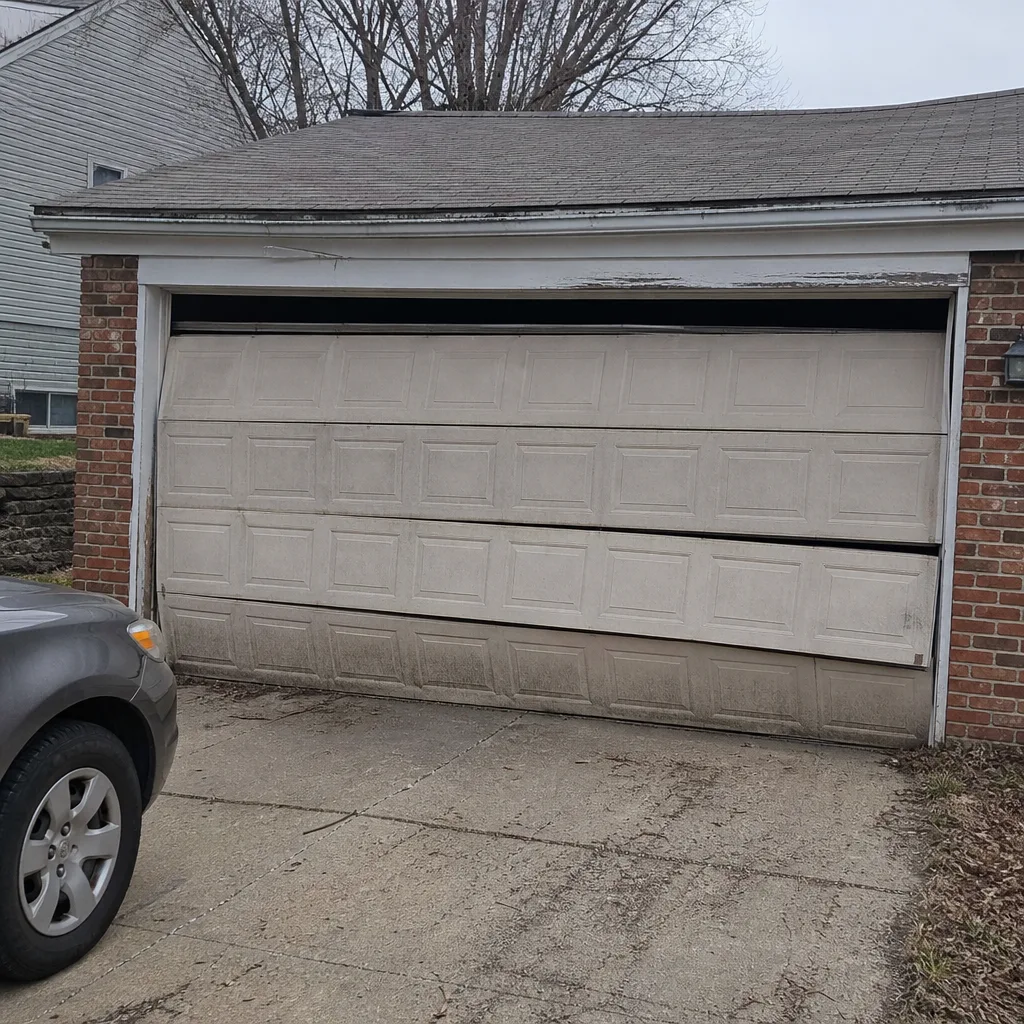 Before
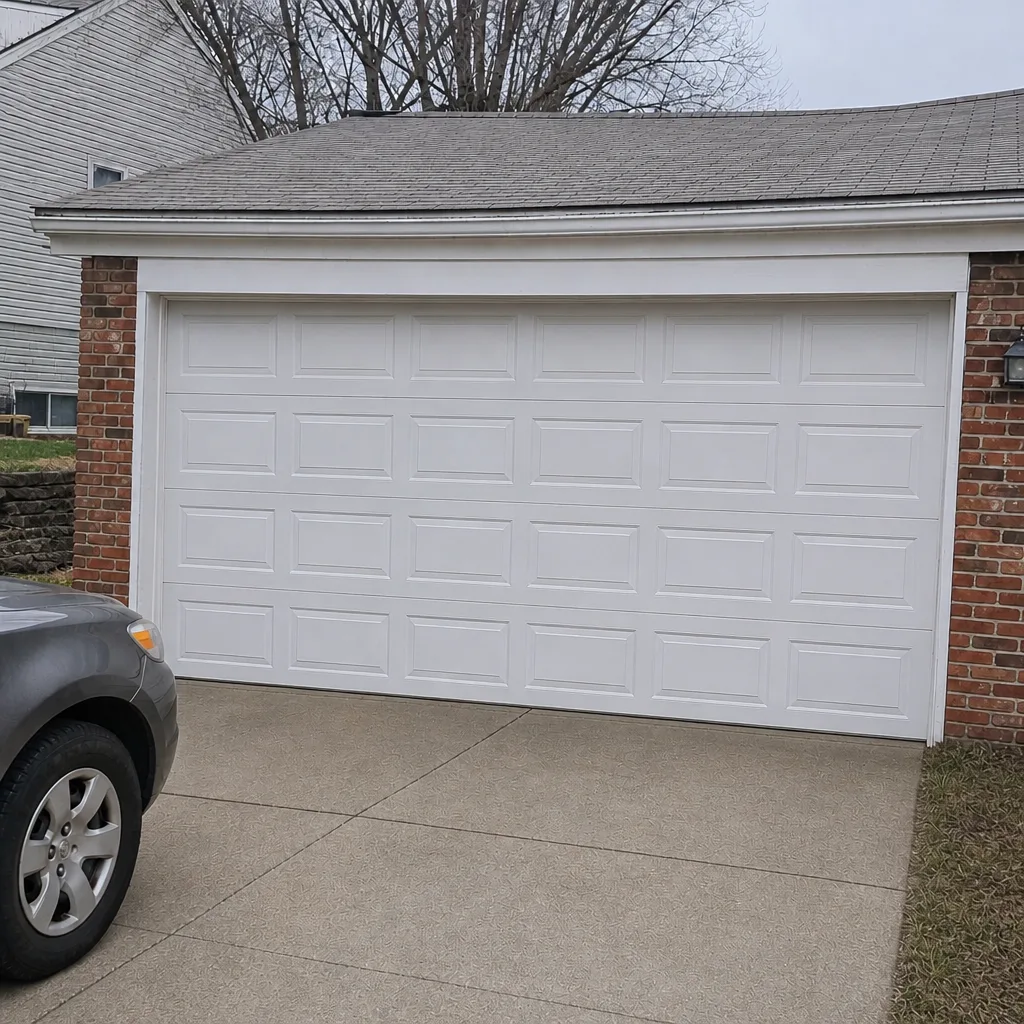 After
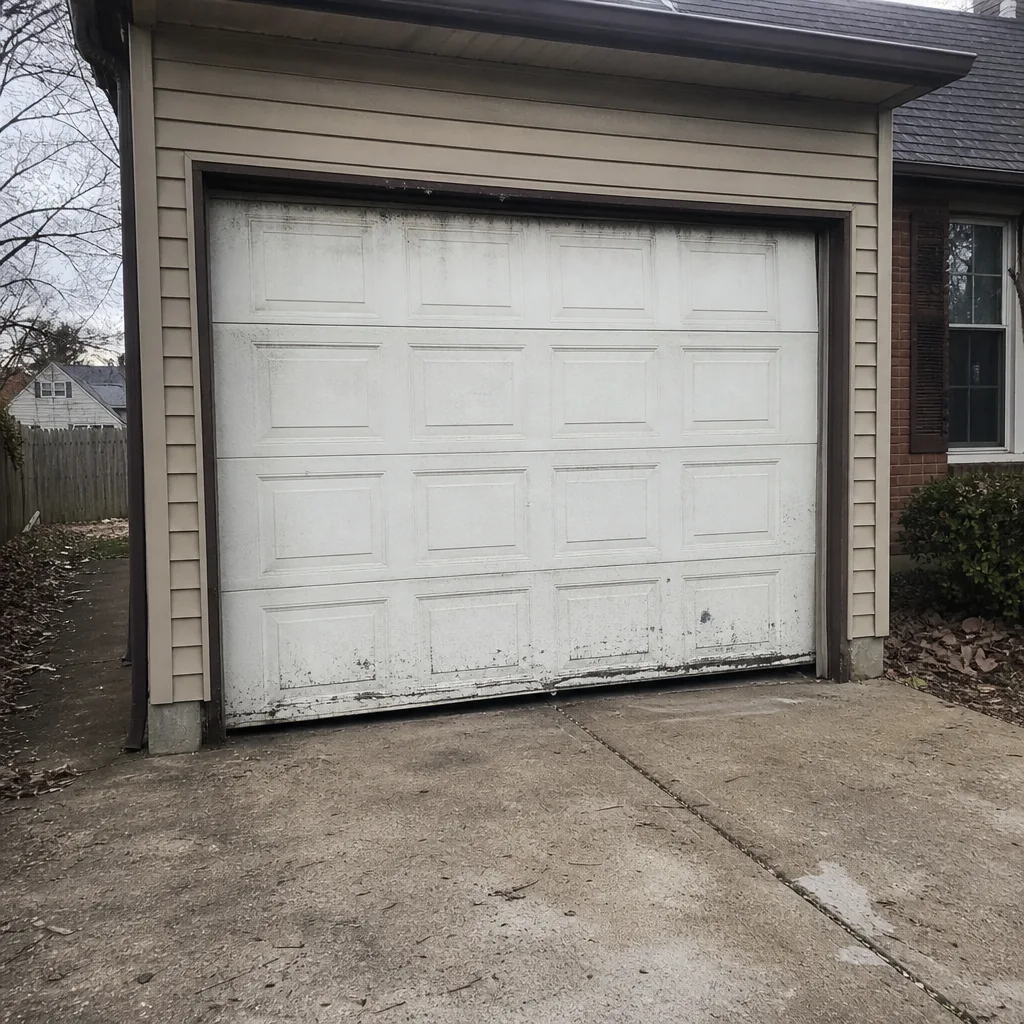 Before
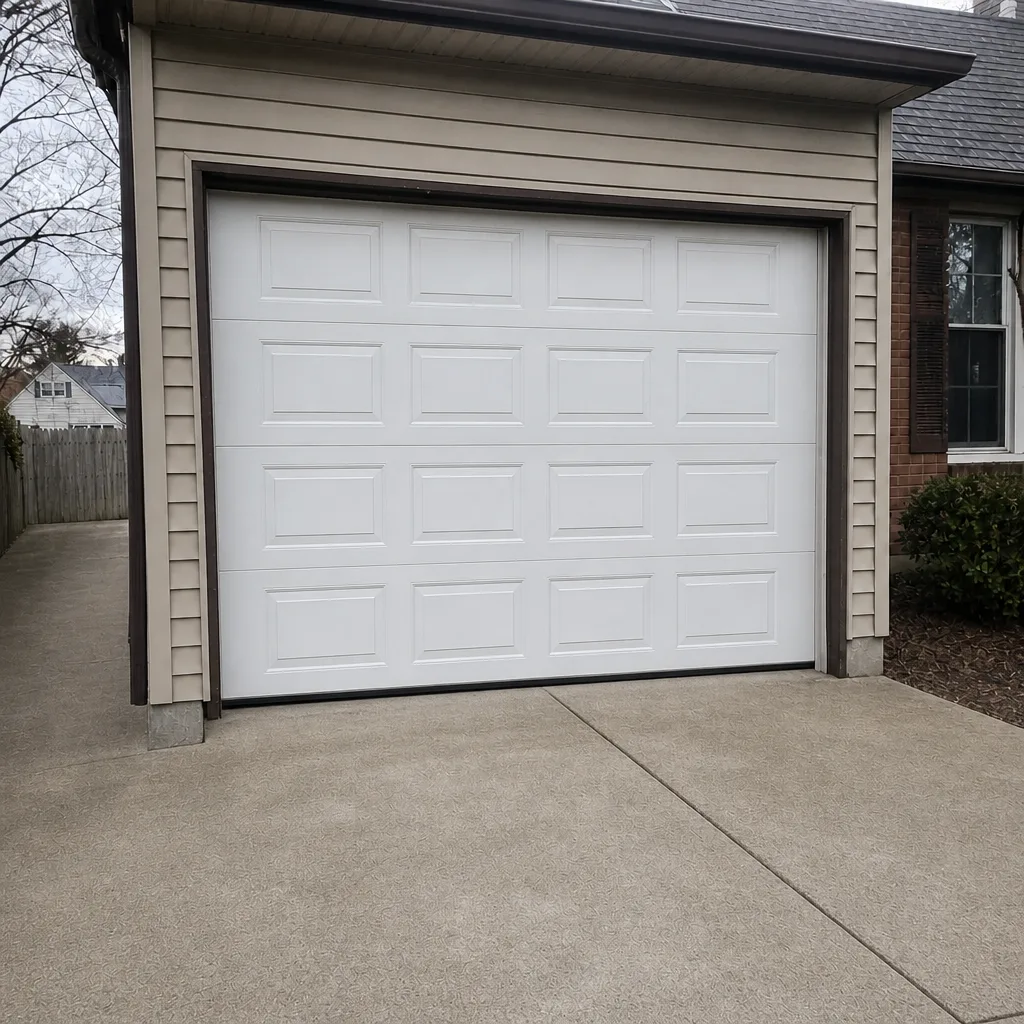 After
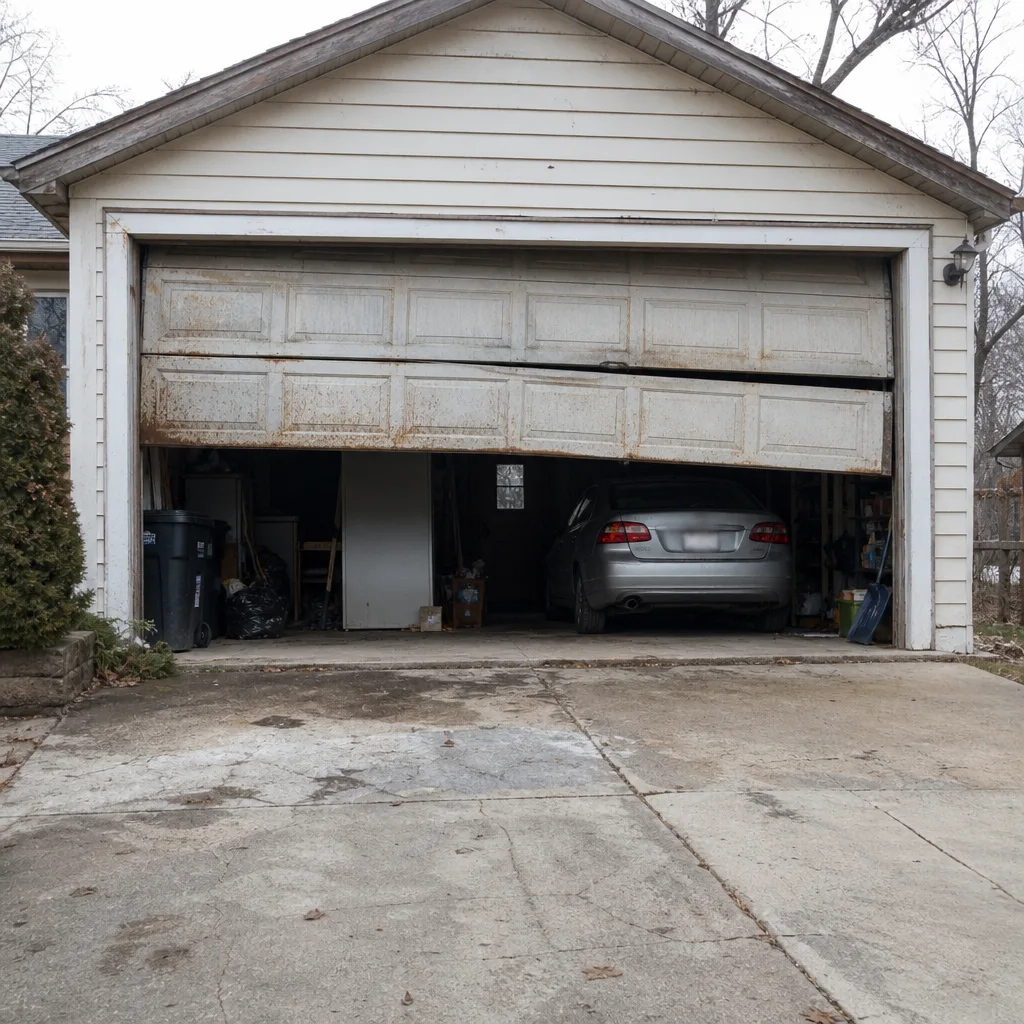 Before
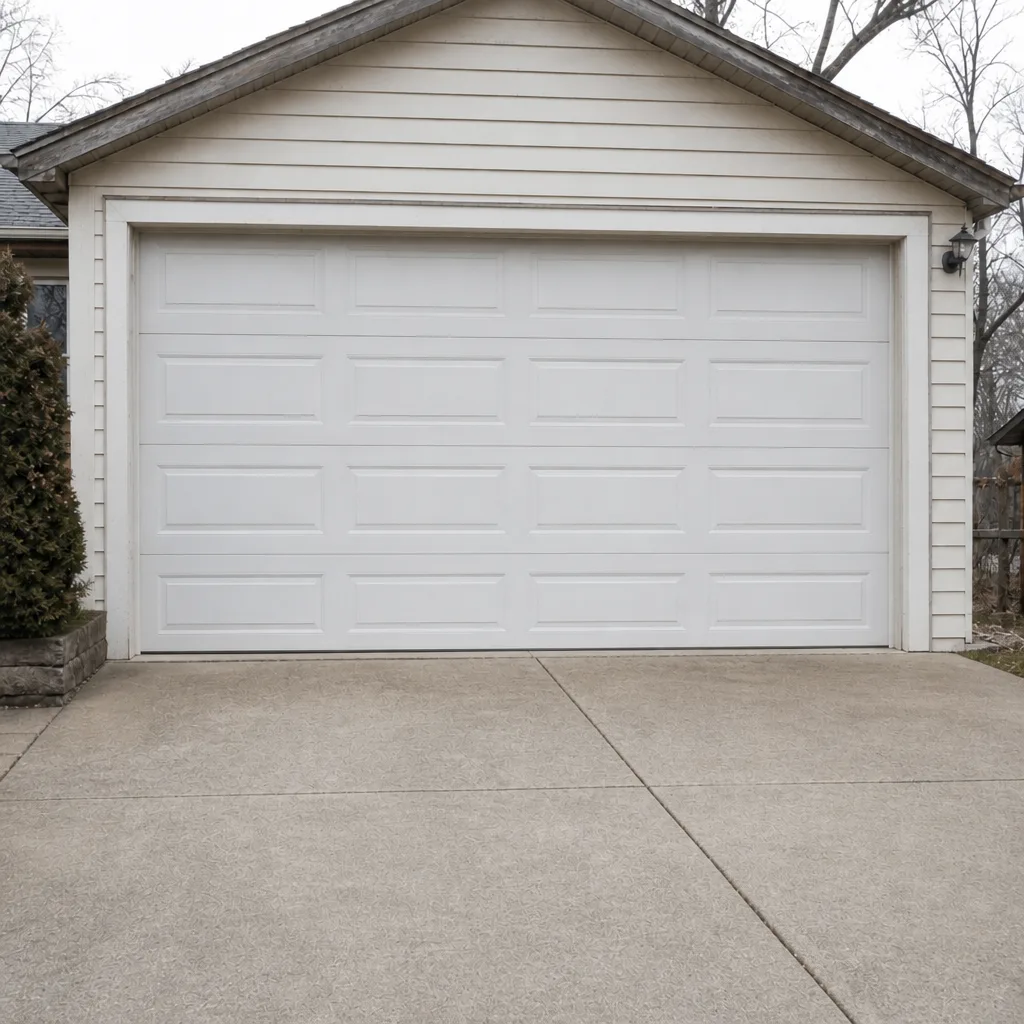 After
When to Call a Professional
Some problems are safe to ignore for a while. Others aren’t. Call a professional any time a spring has visibly snapped, a cable is frayed or hanging loose, the door won’t reverse on an obstruction, the door has come off its track, or the opener makes a mechanical grinding sound that won’t quit. Call if the door is out of balance, if it drops or refuses to close, or if you’re locked out of the garage. Don’t try to force a stuck door; forcing it usually converts an ordinary repair into a bigger one. In cases like a broken spring with the car trapped inside, that’s what emergency service is for, and we’re set up for it.
St. Charles Garage Door Repair Pros offers free estimates in St. Charles, and we’ll give you a written quote before any work starts. Call (877) 685-1815 whenever the door stops behaving, and we’ll figure out the next step with you.
Frequently Asked Questions
Once a year is a reasonable baseline for most St. Charles homes, and twice is better if you want to catch wear before it becomes a breakdown. The freeze-thaw swings and summer humidity here wear seals, cables, and springs faster than a mild climate would. Seasonal balance and safety checks are the most valuable steps.
A door that reverses on its own usually points to a safety sensor problem, an obstruction in the travel path, or a misaligned track forcing the opener to fight resistance. Check that nothing is blocking the sensors first. If the behavior continues, it’s a safety issue and shouldn’t be ignored.
A broken spring is always a stop-using-the-door situation, but it doesn’t have to be a middle-of-the-night call unless your car is trapped or your home is unsecured. A snapped spring means the door is unsupported; call and we’ll schedule the repair. Don’t operate the door until it’s replaced.
We service all major brands, including Clopay, Amarr, Wayne Dalton, LiftMaster, Chamberlain, Genie, Craftsman, and Raynor. If your door has a brand name on it, there’s a strong chance we work on it weekly. Call and confirm if you’re not sure.
Changing an opener is a homeowner-projectable job only if you’re comfortable with electrical connections and mechanical mounting. The bigger risk is that a new opener won’t fix the underlying issue if the door is out of balance. Have the door checked before you spend on an opener.
A repair fixes a specific worn component and keeps the existing door and hardware; a replacement installs a new door or full system. Repairs are the right call when one part has failed and the rest is sound. Replacement makes sense when multiple parts are failing or the door itself is compromised. Get an honest assessment before deciding.
The Bottom Line
Your garage door is an engineered system, not a set of separate parts. Springs carry the load, cables transfer it, tracks guide it, the opener nudges it, and the safety sensors keep it from hurting anyone. When one part wears, the others feel it. St. Charles weather makes that interdependence more important here than in milder climates, and it favors the parts that face moisture: seals, cables, hinges, and spring hardware. Know the difference between cosmetic, mechanical, and safety repairs, call early rather than late, and leave spring and cable work to a trained technician. Everything else is a matter of routine. Call (877) 685-1815 for a free estimate.
Written by the team at St. Charles Garage Door Repair Pros.