Last updated November 22, 2026
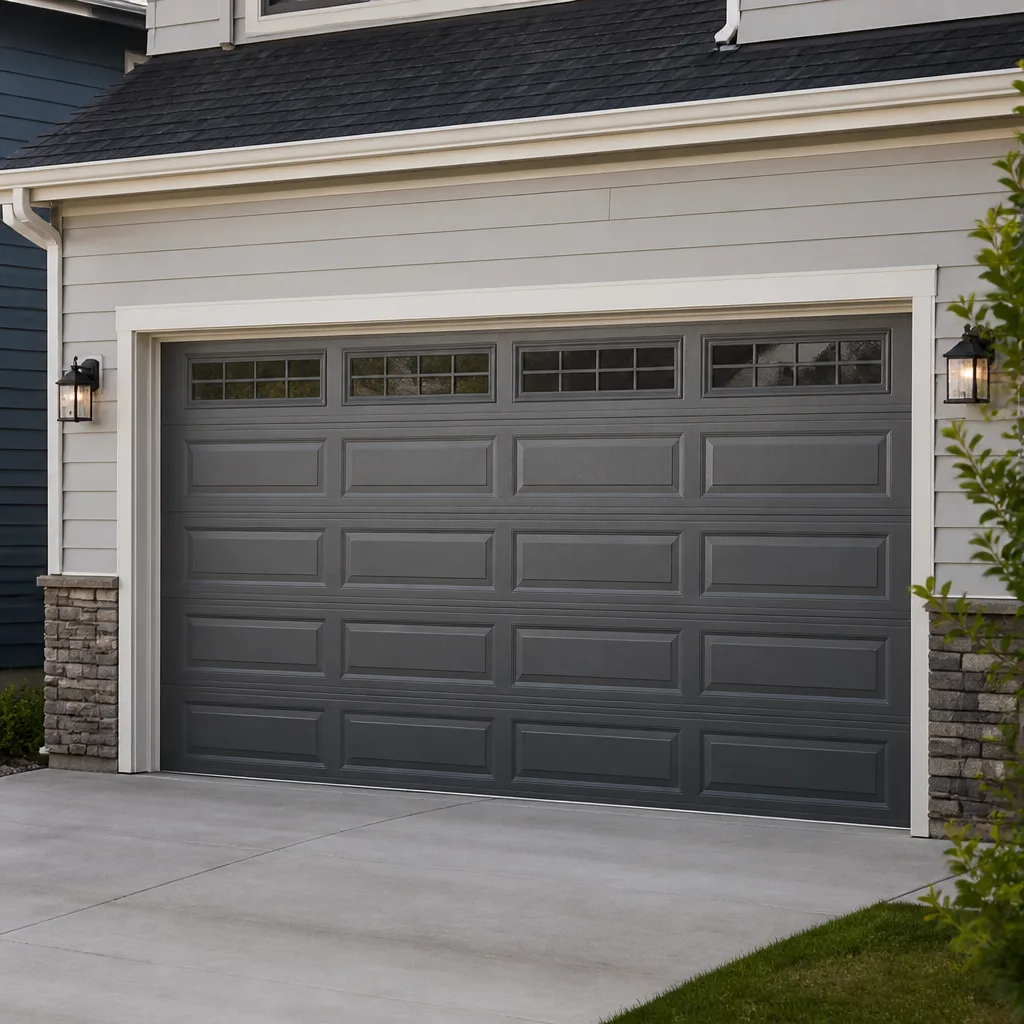 Raised-panel steel
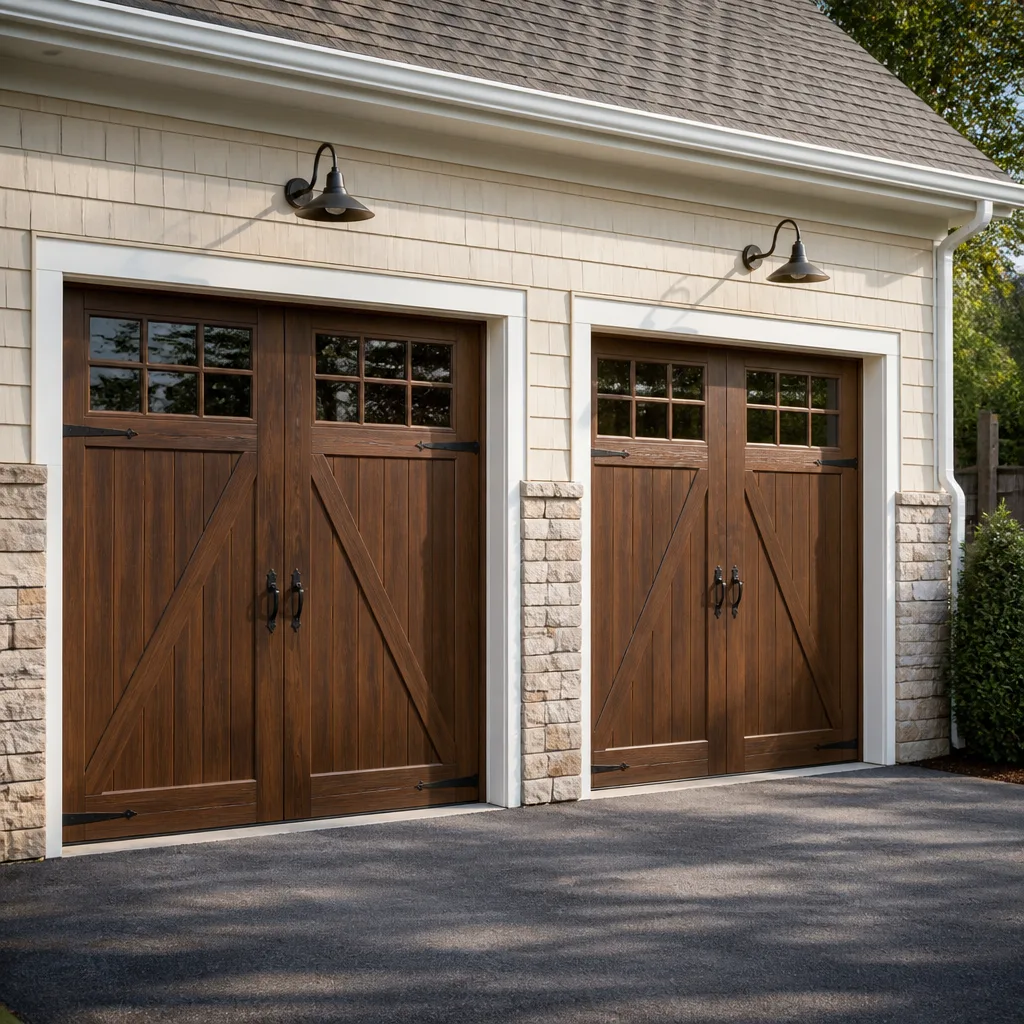 Carriage house
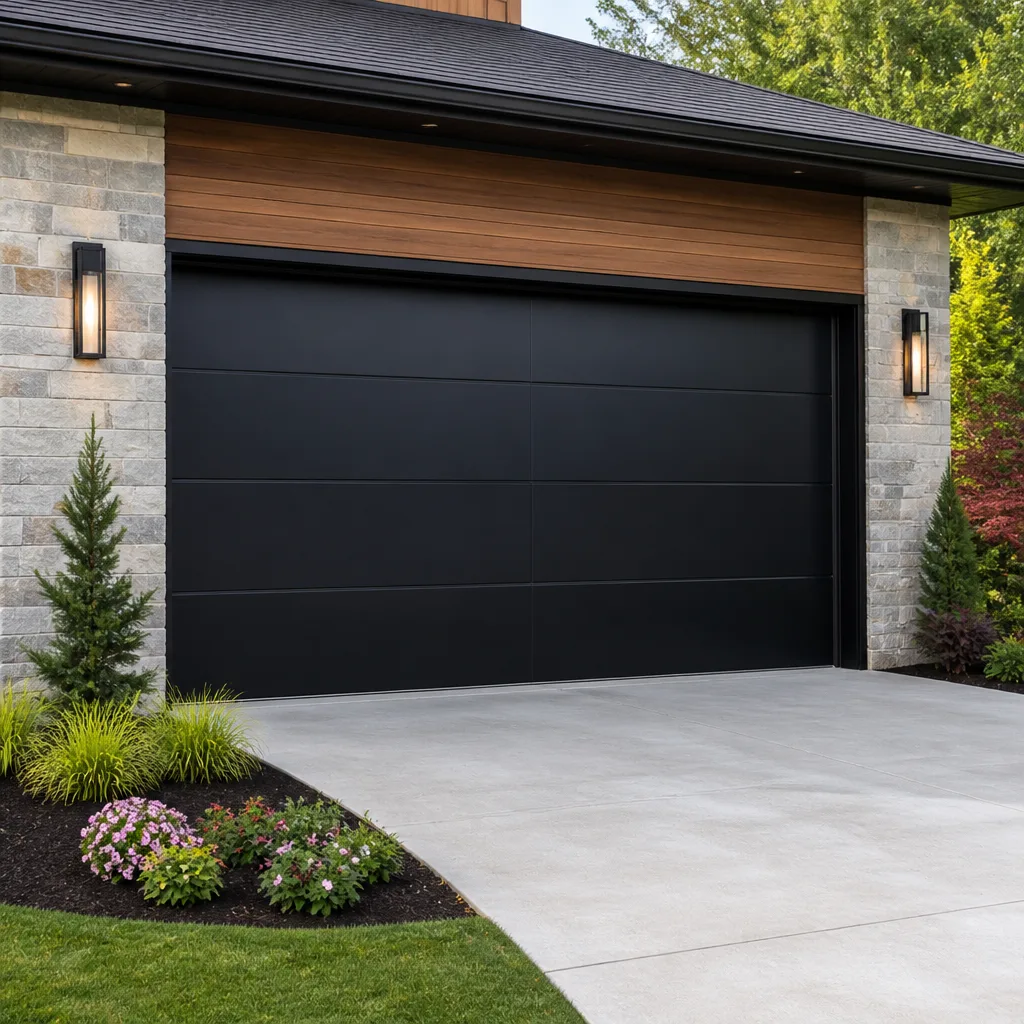 Modern flush
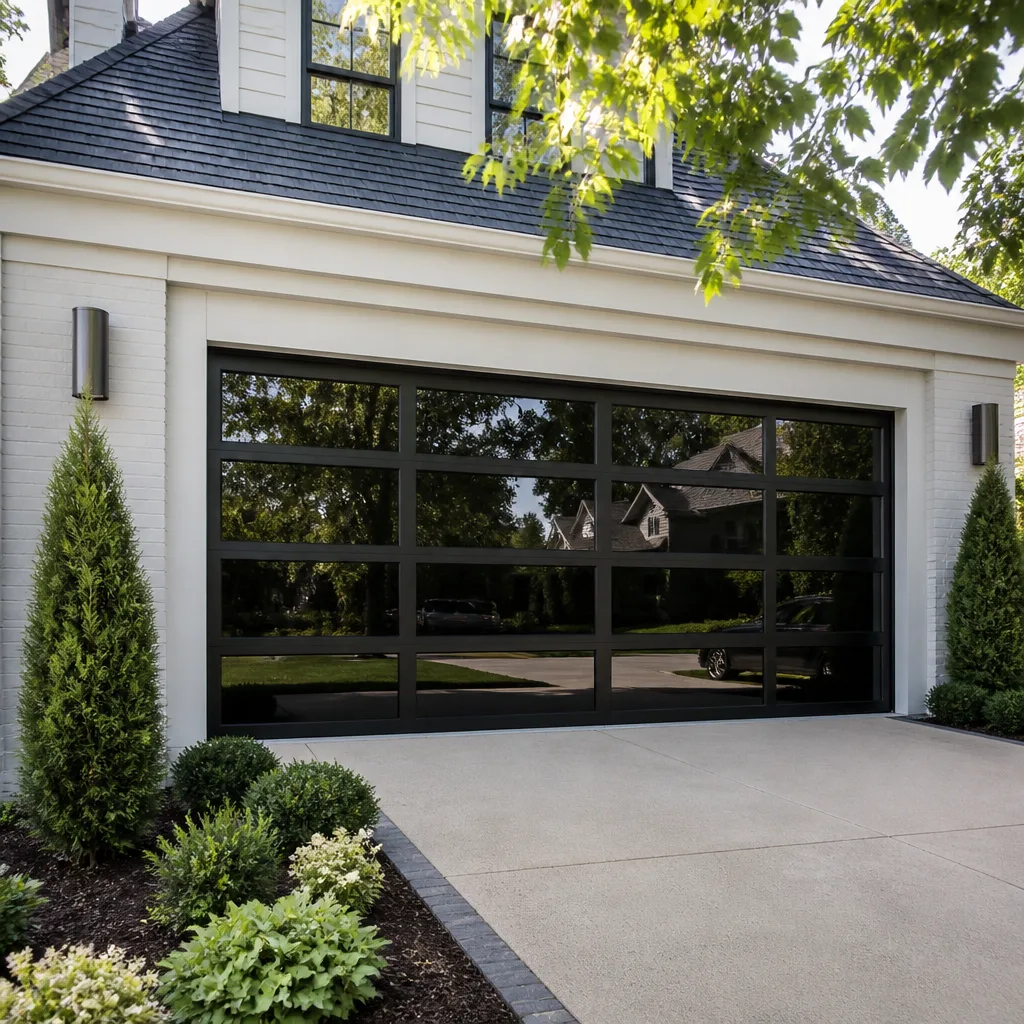 Full-view glass
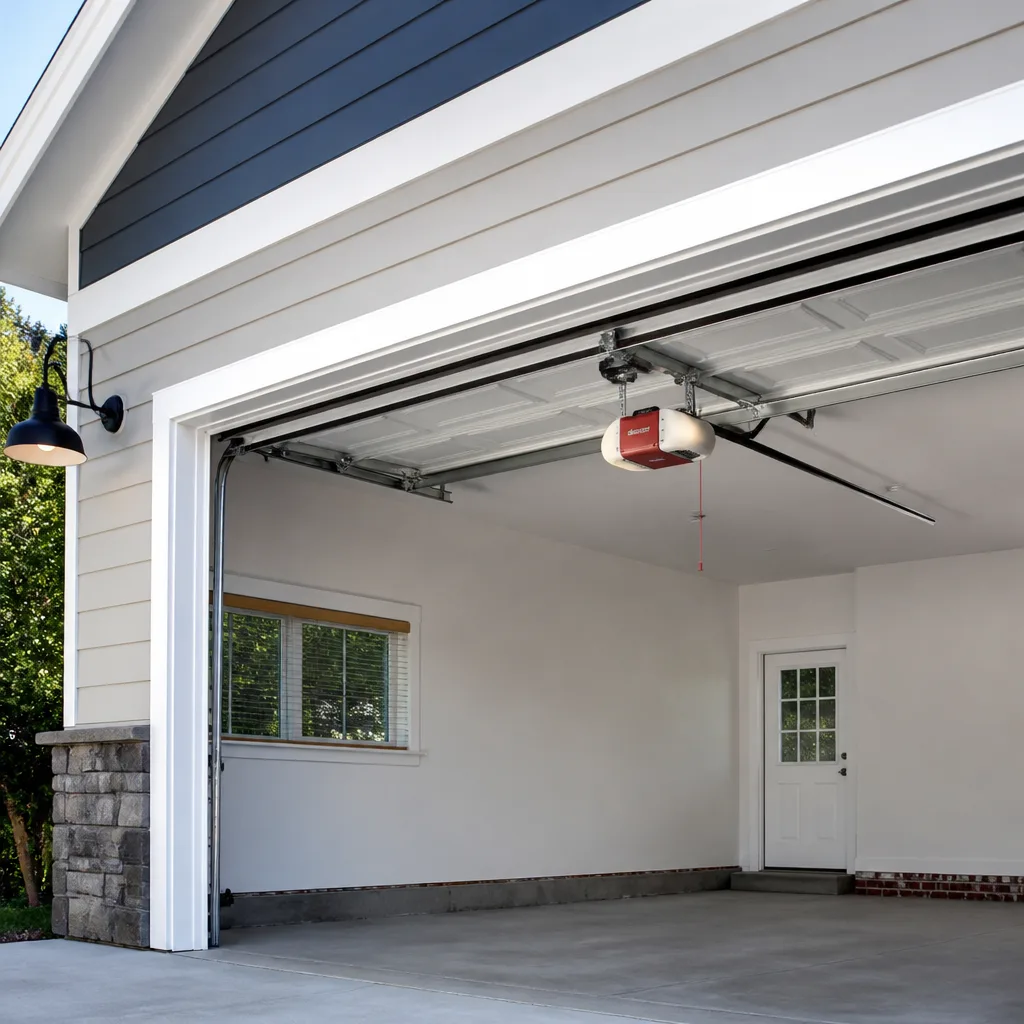 LiftMaster openers
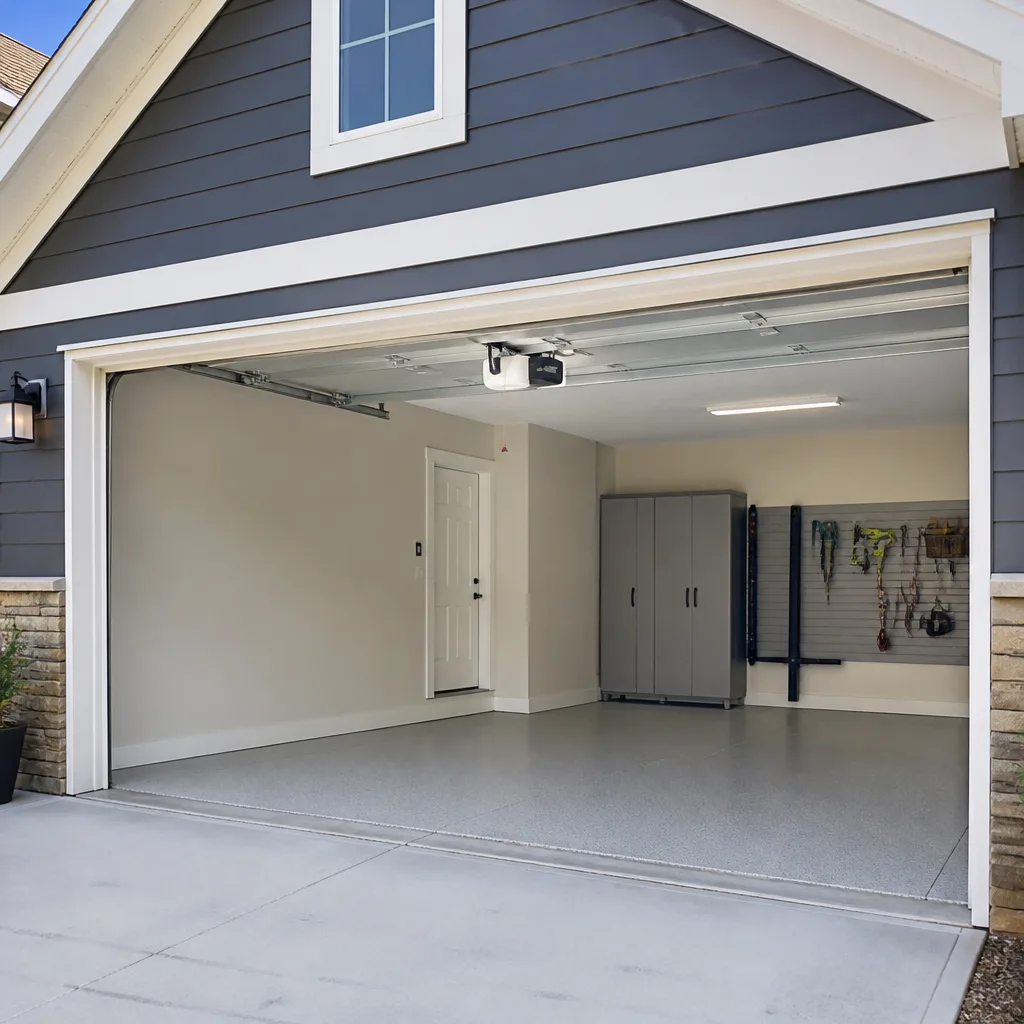 Chamberlain openers
Full 25-point door and opener safety check with every visit - springs, cables, rollers, tracks, and your LiftMaster or Chamberlain opener included
You get a price before we start. It does not change when the pro arrives.
Get your free estimateDIY vs Professional Garage Door: The St. Charles Homeowner’s Decision Guide
Most DIY garage door advice lumps every repair into one bucket and tells you to “just be careful.” That’s the wrong frame. A torsion spring stores enough energy to break a wrist or drive a tool through drywall in a fraction of a second, and it does not belong in the same category as replacing a bottom seal or reprogramming a LiftMaster remote. One is a weekend task. The other is a loaded mechanical system that can hurt you before you react. This guide draws the line task by task: what’s genuinely safe to take on yourself, what’s learnable with patience, and what should never leave a professional’s hands in St. Charles.
Quick Answer
Bottom seals, lubrication, remote programming and light weatherstripping are safe DIY jobs for most homeowners. Roller replacement and track realignment on a door whose cables are intact are learnable with care. Torsion spring winding, cable replacement under tension and header bracket work should never be DIY. The savings on a spring job are small once you buy the right winding bars, and the risk to your hands and your opener warranty is real.
Styles & brands we work with
- Raised-panel steel
- Carriage house
- Modern flush
- Full-view glass
- LiftMaster openers
- Chamberlain openers
Table of Contents
- The Three Tiers: What’s Safe, What’s Learnable, What’s Off-Limits
- The Physics of a Torsion Spring Failure
- The Real Cost of DIY Spring Replacement
- DIY-Adjacent: Where You Can Save Without the Risk
- Missouri Homeowner Liability When a DIY Repair Fails
- How St. Charles Conditions Affect Your Door
- Common Mistakes to Avoid
- When to Call a Professional
The Three Tiers: What’s Safe, What’s Learnable, What’s Off-Limits
The DIY question isn’t about how handy you are. It’s about which tasks carry injury or liability risk that no amount of video prep removes, and which ones a mechanically confident homeowner can genuinely handle. We sort garage door work into three tiers, and the tier decides the answer.
Tier 1: Genuinely DIY-Safe
- Bottom seal replacement. The rubber seal at the base of the door slides out of its channel and a new one slides in. No tension, no springs, no risk.
- Lubrication. A garage door has hinges, rollers, and a track that benefit from periodic lubrication with a product made for the job. This is maintenance, not repair.
- Remote and keypad programming. Pairing a new remote to a Chamberlain or Genie opener follows the manual and takes minutes. If the opener won’t accept a remote, that’s a different problem, and our garage door opener repair page covers what usually causes it.
- Minor weatherstripping. The trim seals around the door frame can be replaced by a careful homeowner with basic tools.
Tier 2: Learnable With Patience
- Roller replacement. Worn nylon rollers make a door noisy and jerky. Swapping them is straightforward as long as the door is fully down and the springs are untouched.
- Track realignment on a cable-intact door. A track that’s been bumped slightly out of line can sometimes be nudged back with the door down and the opener disconnected. If any cable is loose or off its drum, stop and call.
Tier 3: Never DIY
- Torsion spring winding and replacement. The spring system holds the full weight of the door. Winding it wrong releases stored energy with no warning.
- Cable replacement under tension. Cables carry the same load as the springs. A cable that slips under tension can whip with serious force.
- Header bracket and spring anchor work. These attach the whole system to the structure. Get the mounting wrong and the door can come down.
Anything in Tier 3 belongs with a trained technician. That’s a fixed line, not a judgment call about your skill.
The Physics of a Torsion Spring Failure
A torsion spring is a coiled steel bar wound tight and pinned in place. When it’s under tension, it’s storing the energy required to lift a door that can weigh well over a hundred pounds. That stored energy doesn’t dissipate on its own. It waits.
When a torsion spring breaks, that energy releases in an instant. The spring doesn’t gently unwind. It snaps, and the broken end can travel with enough force to dent a car hood, crack drywall, or break bone. The failure often happens when you least expect it: while the door is opening, while you’re standing underneath it, or while a homeowner is mid-way through a DIY repair with their hands near the spring.
This is why garage door technicians treat a torsion spring the way an electrician treats a live panel. The danger isn’t theoretical. It’s a physical fact of the mechanism. Winding bars exist for a reason, and so do the safety procedures that surround them. We’ve handled enough spring failures over the years to know that the moment a spring lets go, the question shifts from how to fix it to how to make sure nobody’s standing in the wrong spot. A trained technician knows where that spot is and keeps everyone out of it.
The bottom line on physics: torsion springs and the cables beside them aren’t a learning project. They’re a loaded system, and the margin for error is measured in fractions of a second.
The Real Cost of DIY Spring Replacement
On paper, buying your own spring looks cheaper than calling a pro. In practice, the gap closes fast once you count the tools and the risk. Here’s the honest breakdown for a St. Charles homeowner weighing the two paths.
- Spring cost. A single torsion spring for a residential door typically runs somewhere in the range of a few tens of dollars at a parts supplier, depending on size and cycle rating. A matched pair, which is usually replaced together, doubles that.
- Winding bars. Not optional. A pair of proper winding bars is a real expense, and using screwdrivers or makeshift rods instead is one of the most common causes of serious injury. Budget for the bars or don’t attempt the job.
- Cycle rating differences. The cheap spring at the parts counter may carry a lower cycle rating than the one a professional installs. A lower-rated spring means replacing it sooner, which erases the savings on the second go-round.
- Opener warranty exposure. Most opener manufacturers require professional installation and service for the warranty to stay valid. A DIY spring job gone wrong, especially one that damages the opener or the door, can put that coverage at risk. That’s a real cost even if nothing goes wrong on the day.
- The failure cost. If the job goes wrong, you’re looking at a damaged door panel, a bent track, a wrecked opener, or an injury. Any one of those costs more than the professional job would have.
When you add it up, the professional path is close to the DIY path on parts alone, and it comes with trained hands, proper tools, and a written price agreed before work starts. That’s the cost-benefit reality. For a full picture of what professional spring work involves, see our garage door spring repair page.
DIY-Adjacent: Where You Can Save Without the Risk
There’s a middle path that a lot of homeowners overlook. You don’t have to choose between doing everything yourself and handing over the whole project. “DIY-adjacent” means you take on the parts sourcing or the safe labor while a pro handles the high-risk work. In St. Charles, this is a common arrangement, and it works.
Here’s how it looks in practice:
- You buy the parts, we do the dangerous work. If you know the exact spring size or roller type your door needs, you can source the parts yourself and have a technician handle the installation. Confirm sizes first, because a mismatched spring is dangerous.
- You handle the safe tasks, we handle the rest. Replace the bottom seal and lube the hinges yourself, then bring in a pro for the spring and cable inspection. The split lets you keep the easy wins.
- You prep the space, we do the repair. Clear the garage floor, move the car, and remove anything near the tracks. A clean workspace speeds up the job and keeps the technician focused on the door.
- You program the opener, we fix the mechanism. Any remote or keypad work is fine for you to do. If the door itself won’t lift smoothly, that’s a mechanical issue for a pro.
The rule of thumb: take on the tasks in Tier 1 yourself, source parts when you’re certain of the spec, and leave anything under tension to a trained technician. That combination saves money without putting your hands near a loaded spring.
Missouri Homeowner Liability When a DIY Repair Fails
This is the part most DIY guides skip. If a spring repair you did yourself fails and injures someone in your household, or damages a vehicle or a neighbor’s property, the outcome depends on your homeowner’s insurance policy and how the claim is filed. Missouri homeowner policies typically cover accidental damage and injuries under the liability and medical payments sections, but they also typically exclude damage caused by faulty workmanship or improper maintenance you performed yourself.
That distinction matters. An insurer may cover a guest injured by a falling door, then decline the portion of the claim tied to a bad DIY installation. The result can be a denied claim, a higher premium at renewal, or an out-of-pocket repair. There’s no standard answer that covers every policy, so the practical move is to read your own policy’s exclusions around workmanship before you take on anything risky, or talk to your agent.
Beyond insurance, there’s the liability question. If a door you repaired fails and injures someone outside your household, your exposure grows. A professional installation comes with the technician’s own accountability for the work. That’s part of what you’re paying for when you call a pro, and it’s a real form of protection for a St. Charles homeowner.
The safe rule: keep the DIY to tasks that can’t fail dangerously, and let a licensed, insured professional handle anything that can.
How St. Charles Conditions Affect Your Door
St. Charles sits on the Missouri side of the Missouri River, and its weather swings harder than a lot of homeowners expect. Hot, humid summers and cold winters with freeze-thaw cycles put real stress on a garage door’s moving parts. Understanding the local conditions helps you decide where to spend your maintenance time.
- Humidity and heat. Summer humidity works on the wood and steel components of a door. Metal parts that aren’t lubricated can corrode, and wooden doors can swell and stick. Lubricating hinges and rollers in late spring is a genuinely useful DIY move here.
- Freeze-thaw cycles. Winter brings repeated freezing and thawing. The bottom seal takes the brunt of it, cracking and losing its seal. That’s another Tier 1 DIY task with real local value.
- Spring temperature shifts. The temperature swings of a St. Charles spring and fall can affect spring tension. A door that ran smoothly in October may feel heavier in January. A professional inspection each season catches the change before a spring fails.
- Storm season. Spring storms and high winds in the region can bend tracks and knock doors out of alignment. After a storm, inspect the tracks and call a pro if anything looks off.
None of this means you need a pro for everything. It does mean the St. Charles climate rewards regular maintenance and makes a seasonal inspection a smart habit. For a broader look at the repair side of door ownership, our garage door repair page walks through the most common issues we see in the area.
Common Mistakes to Avoid
- Using screwdrivers instead of winding bars. A screwdriver can slip out of the winding cone under load and the spring can unwind in an instant. If you don’t have real winding bars, don’t start the job.
- Replacing one spring of a pair. If your door has two springs and one breaks, replace both. The remaining spring has already been under load and will fail sooner, and a mismatched pair throws the door off balance.
- Ignoring a loose cable because the door still opens. A cable that’s slack or frayed is a loaded system waiting to fail. Treat it as urgent, not as a “get to it later” item.
- Assuming a St. Charles door that ran fine in fall is still safe in winter. Temperature swings affect tension. A door that feels heavier needs an inspection, not a harder shove.
- Buying a spring off the shelf without matching the size. Torsion springs are sized to the door’s weight and height. A mismatched spring is dangerous and shortens the life of the whole system.
- Forgetting the opener warranty. A DIY repair that damages the opener can void the manufacturer’s coverage. Check the warranty before you take on anything mechanical.
- Skipping the seasonal inspection because the door “seems fine.” Most spring failures announce themselves as a small crack or a loss of balance long before they snap. A professional eye catches it early.
When to Call a Professional
Call a professional the moment you hear a loud bang from the garage and the door won’t lift, when you see a gap in a torsion spring, when a cable looks slack or frayed, when the door comes down unevenly, or when a vehicle is trapped and the door won’t open. Those are the moments where the risk climbs fast. So is any job in Tier 3, no matter how confident you feel. St. Charles Garage Door Repair Pros offers free estimates in St. Charles. Call (877) 685-1815. Our technicians have up to 14 years of experience, work on LiftMaster, Chamberlain, Genie, Clopay and other major brands, and quote the price before any work starts.
See the difference
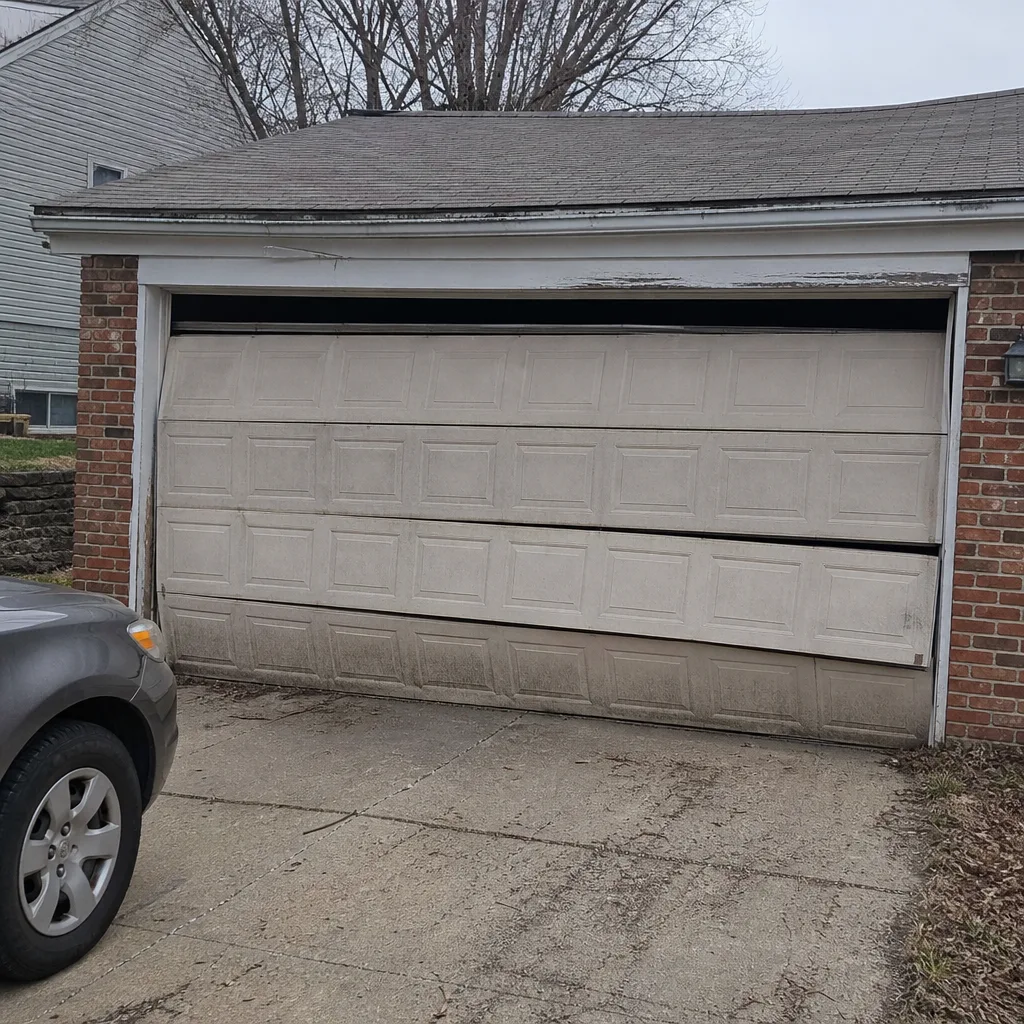 Before
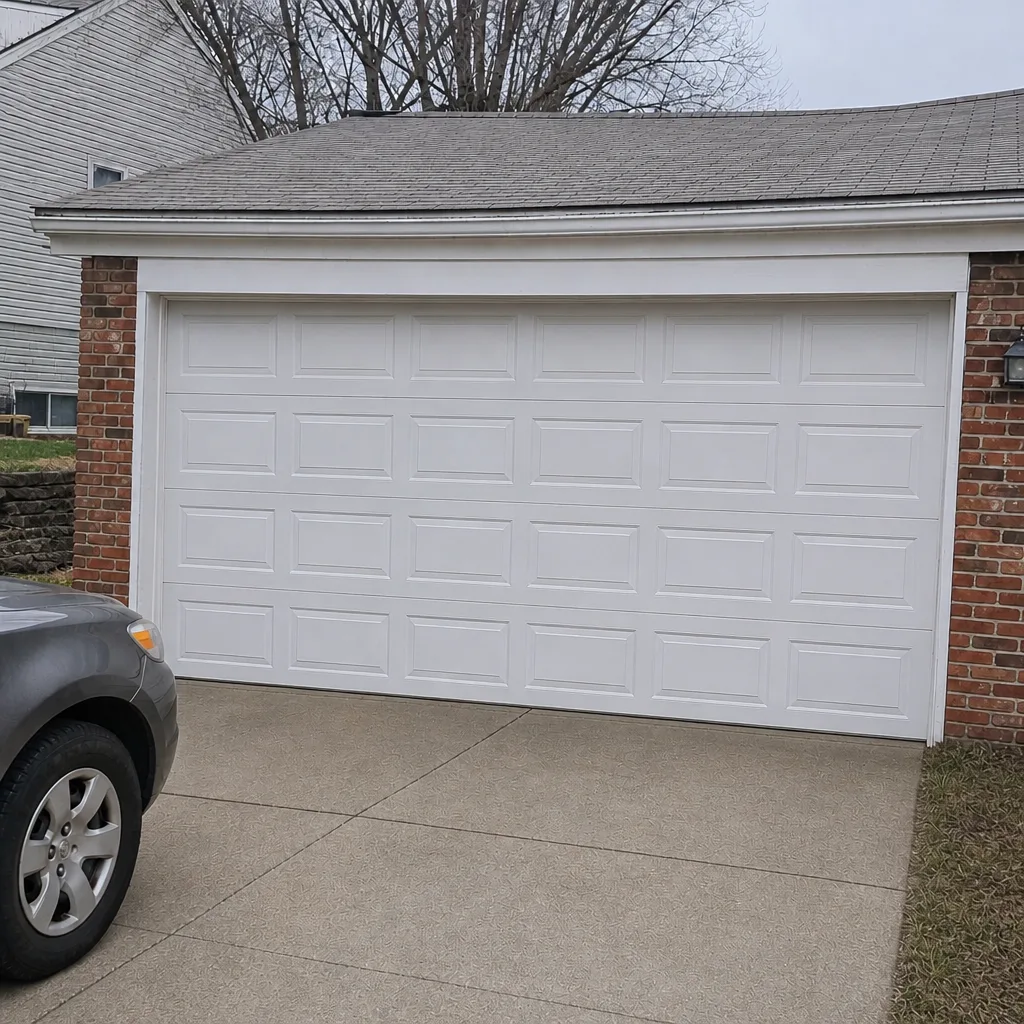 After
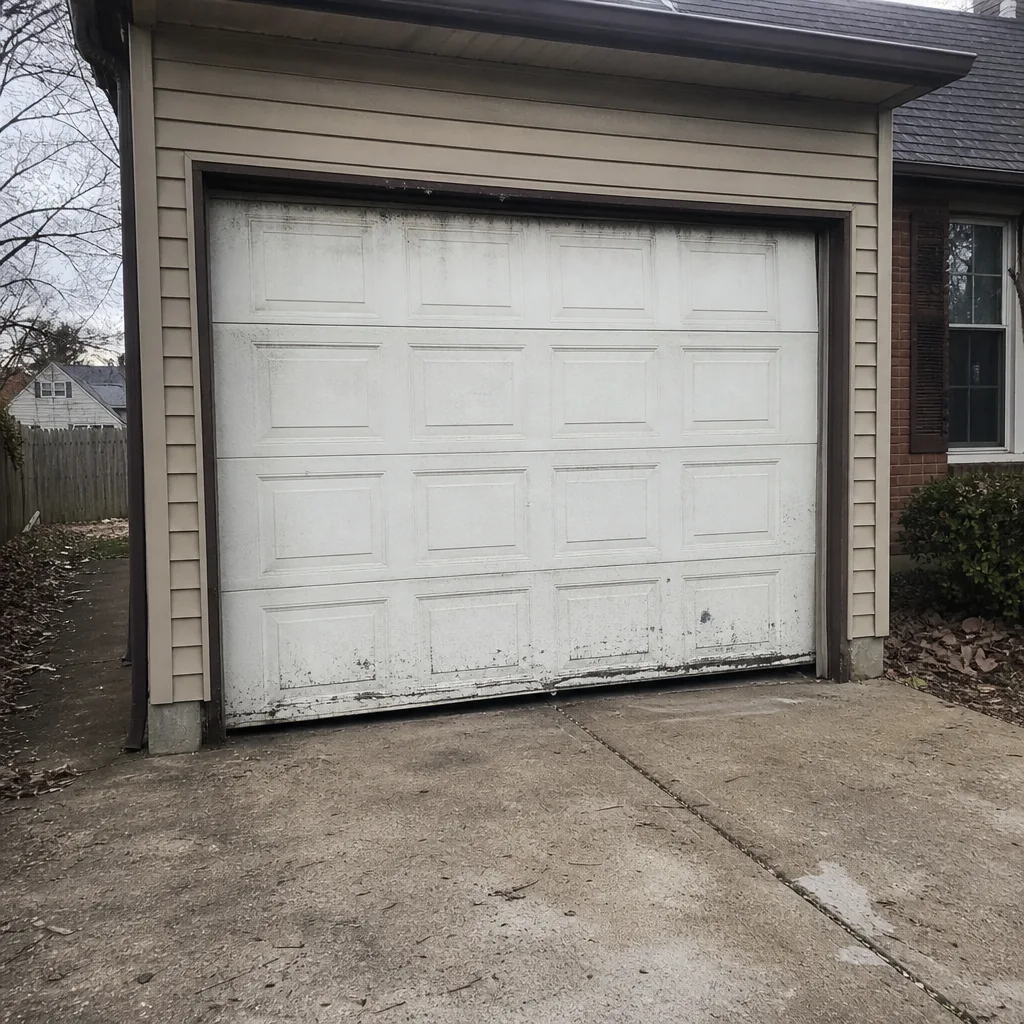 Before
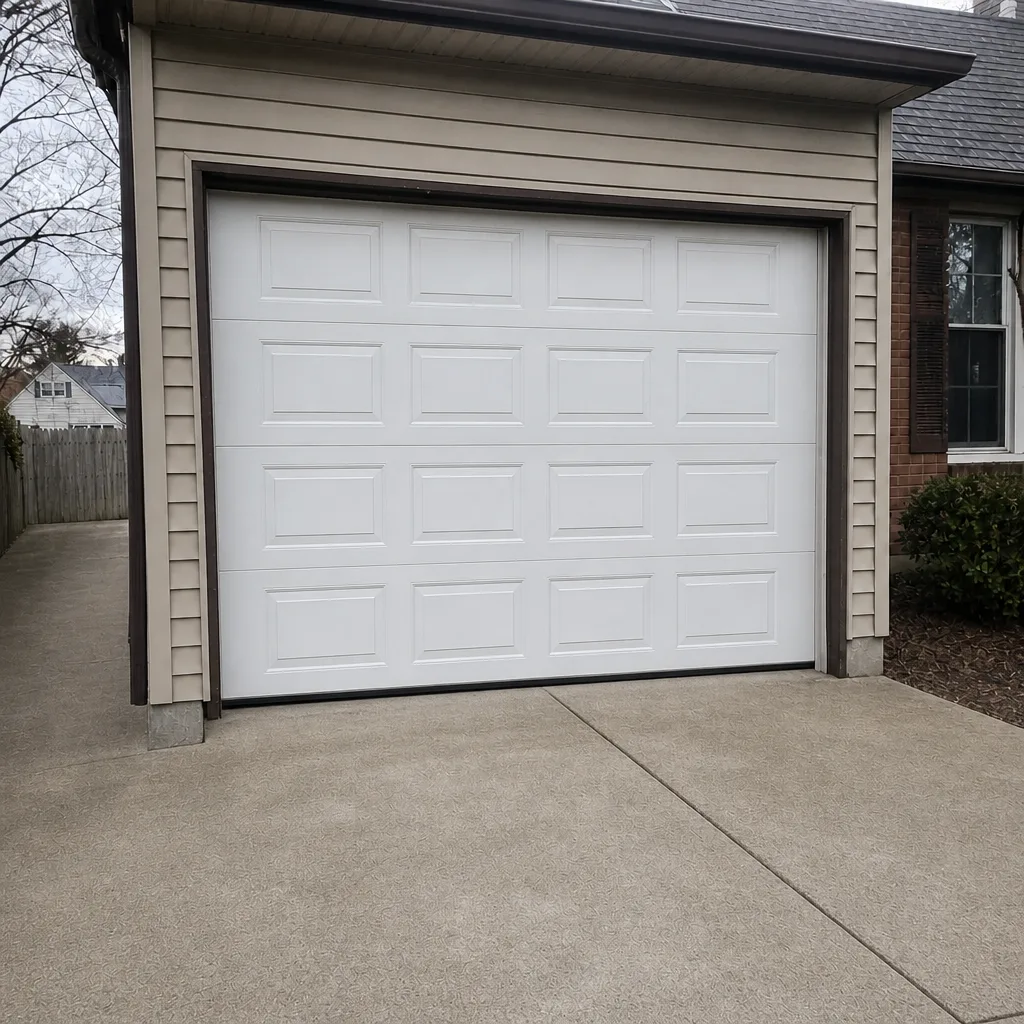 After
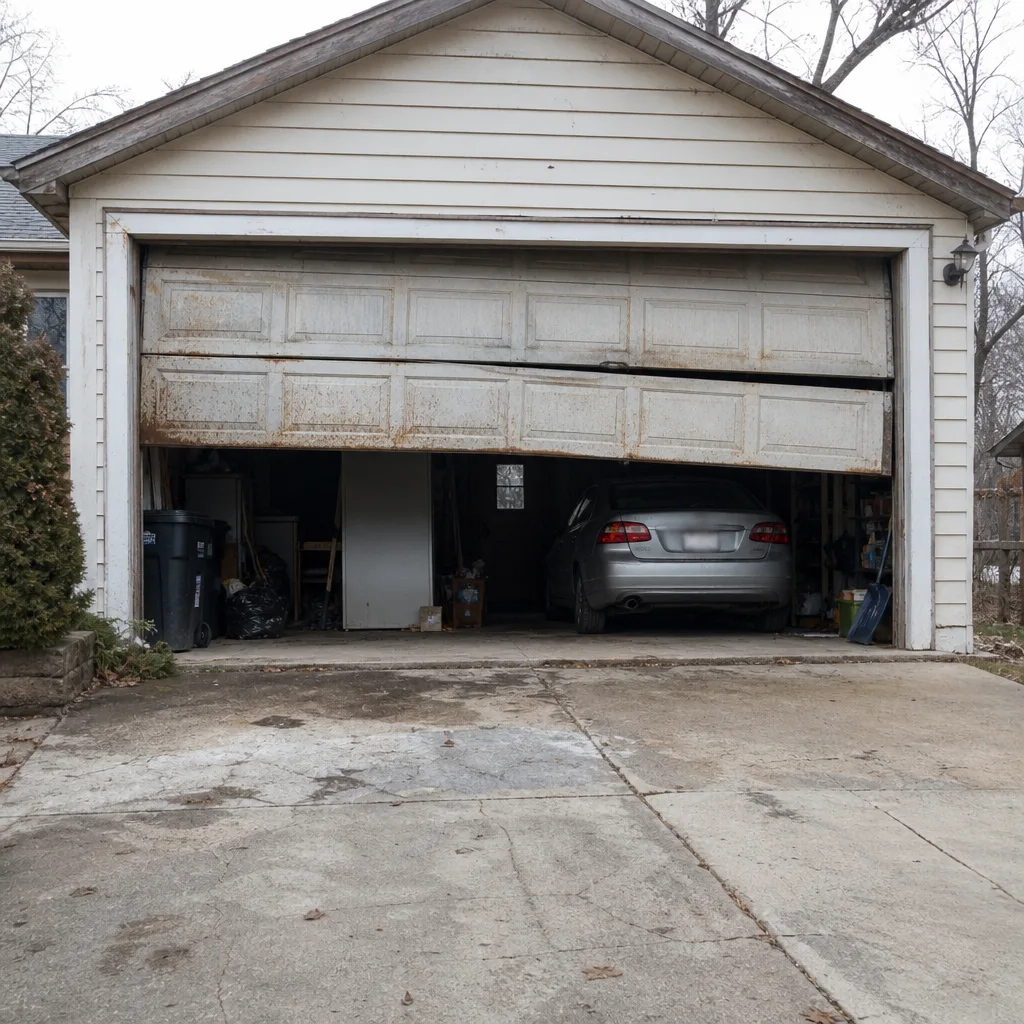 Before
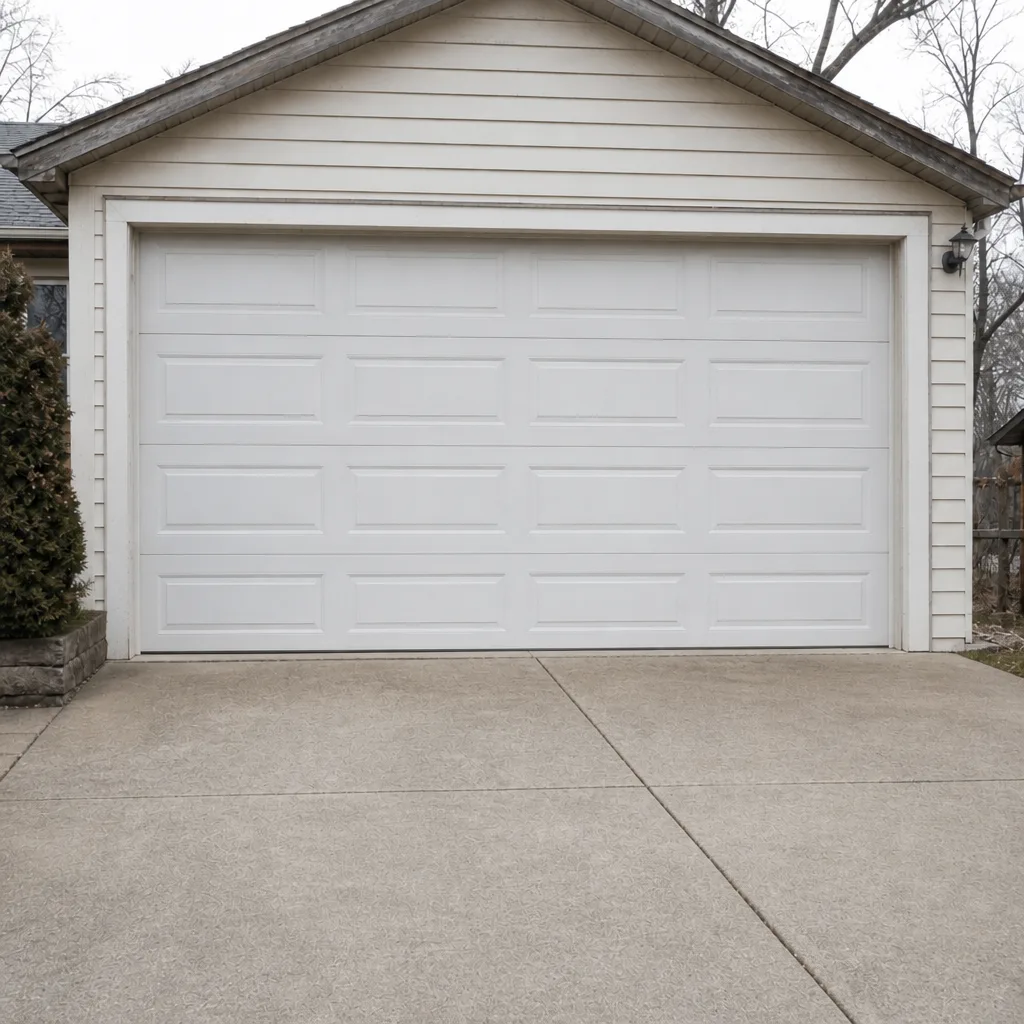 After
Frequently Asked Questions
No, torsion spring replacement isn’t a safe DIY job for a homeowner. The spring holds the full weight of the door, and winding it wrong can release stored energy that causes serious injury. The parts savings don’t offset the risk to your hands or your opener warranty. Call (877) 685-1815 for a free estimate on professional spring work.
Bottom seal replacement, lubrication, remote and keypad programming, and minor weatherstripping are all safe for a mechanically confident homeowner. These tasks don’t involve the springs or cables under tension. Roller replacement is learnable with the door fully down, but anything under load should go to a pro.
It can. Most opener manufacturers require professional installation and service to keep the warranty valid, so a DIY repair that damages the opener or door can put your coverage at risk. Check your opener’s warranty terms before you start, then call (877) 685-1815 if you’re unsure what your policy allows.
Spring repair pricing depends on the spring size, the door’s weight, and whether one or both springs need replacing. A matched pair is usually replaced together, so budget for two springs. The written estimate sets the final price before any work starts. Call (877) 685-1815 for a free estimate.
It depends on your policy, but most Missouri homeowner policies exclude damage caused by faulty workmanship or improper maintenance you performed yourself. An injury claim may be covered while the damage from a bad DIY installation is denied. Read your policy’s exclusions or talk to your agent before taking on a risky repair.
Emergency garage door service is available for doors that won’t open or close, including when a vehicle is trapped or the home is unsecured. We’ll book the earliest available slot and confirm it with you. Call (877) 685-1815 and we’ll get a technician scheduled.
The Bottom Line
The DIY question for a St. Charles homeowner comes down to which tasks can fail dangerously and which can’t. Bottom seals, lubrication, and remote programming are safe. Roller swaps and cable-intact track work are learnable. Torsion springs, cables under tension, and header brackets never should be. Once you count the tools and the risk of a failed job, the professional path costs close to the DIY path and comes with a written price, trained hands, and someone accountable for the work. Take on the easy wins, and let a pro carry the loaded systems.
For a full range of garage door service in St. Charles, from emergency repair to new installation, start with St. Charles Garage Door Repair Pros. Our technicians have up to 14 years of experience, work on LiftMaster, Chamberlain, Genie, Clopay, Amarr, Wayne Dalton, Craftsman, and Raynor systems, and quote the price before any work starts. Call (877) 685-1815 for a free estimate and get a straight answer on what your door needs.
Written by the team at St. Charles Garage Door Repair Pros.