Last updated November 22, 2026
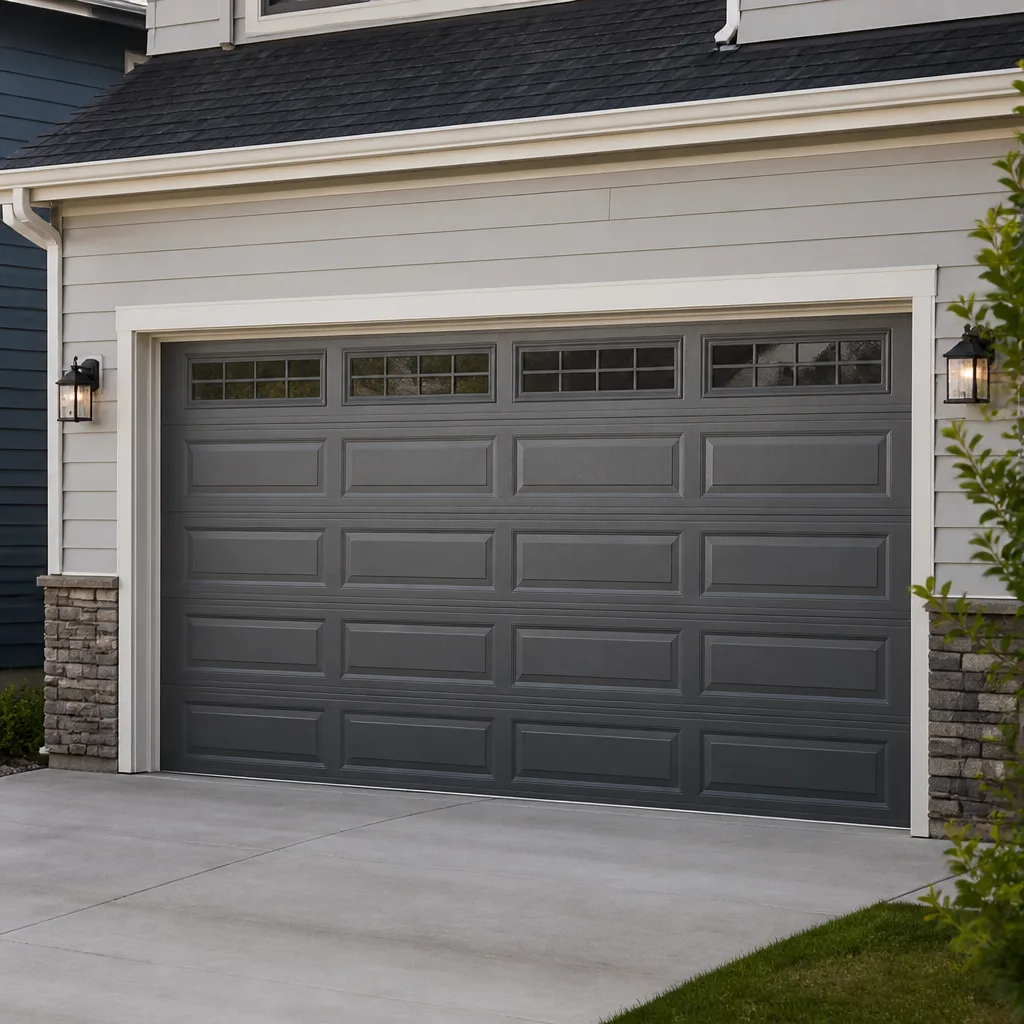 Raised-panel steel
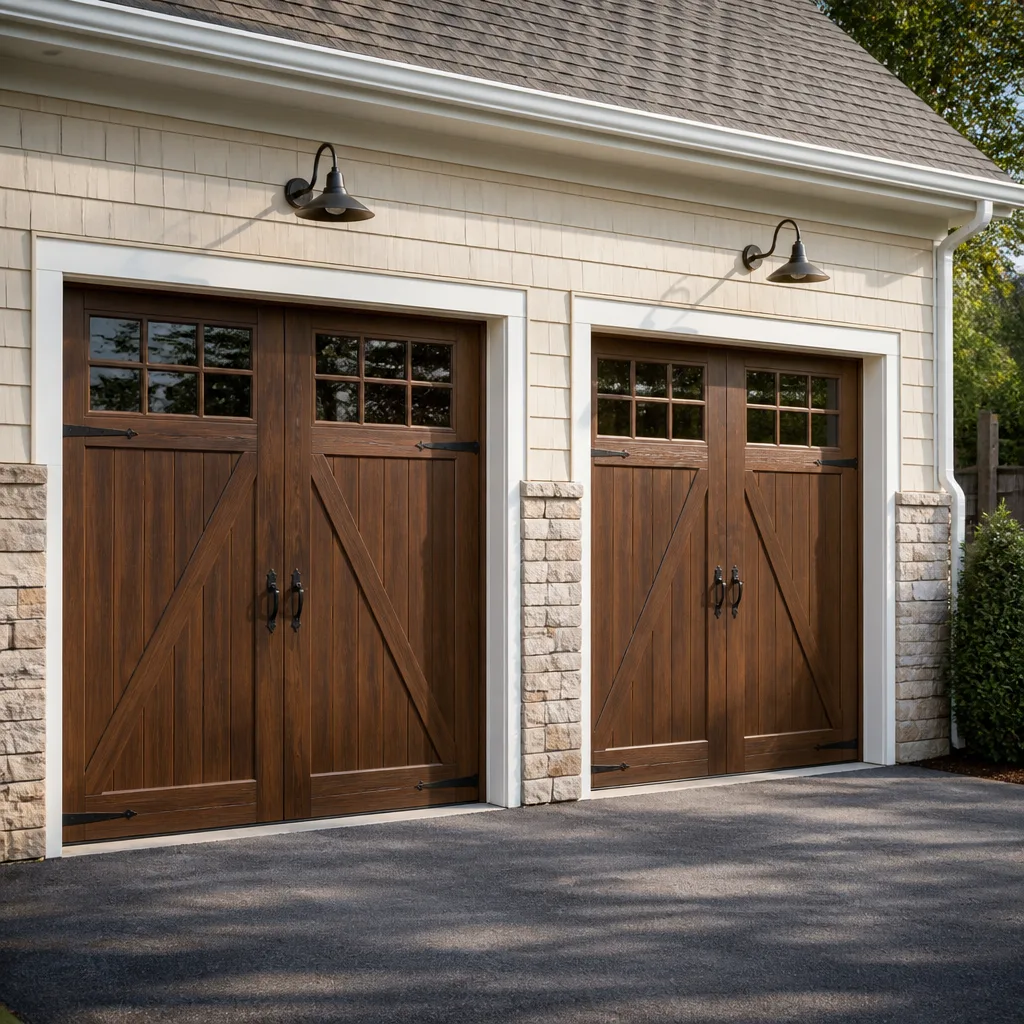 Carriage house
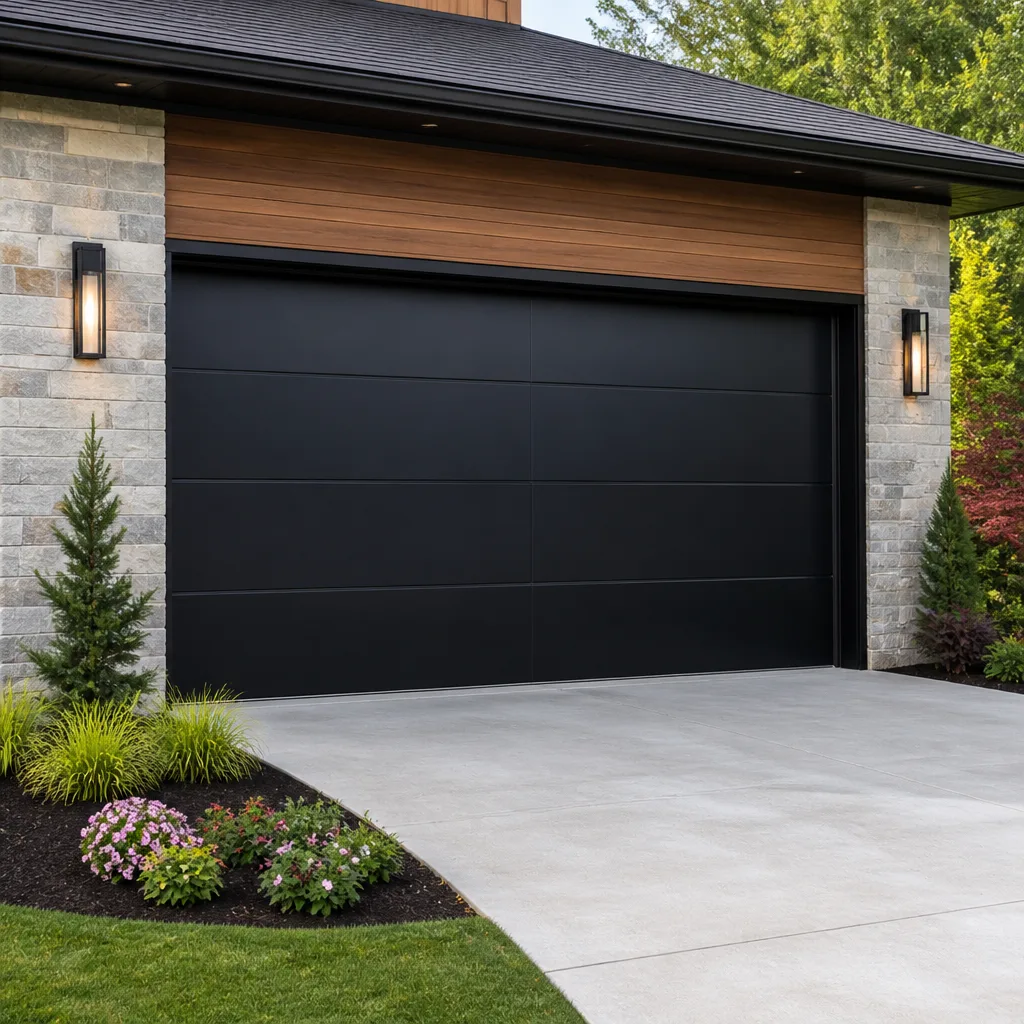 Modern flush
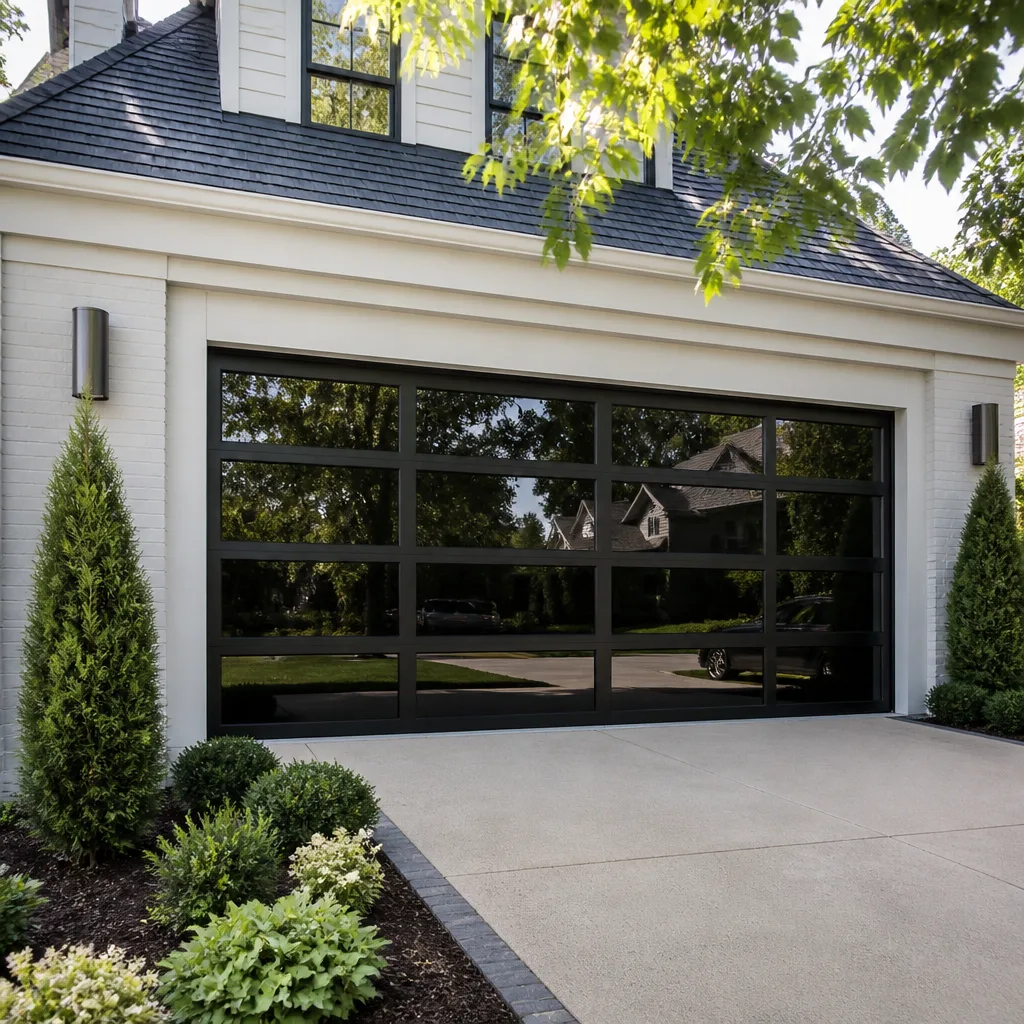 Full-view glass
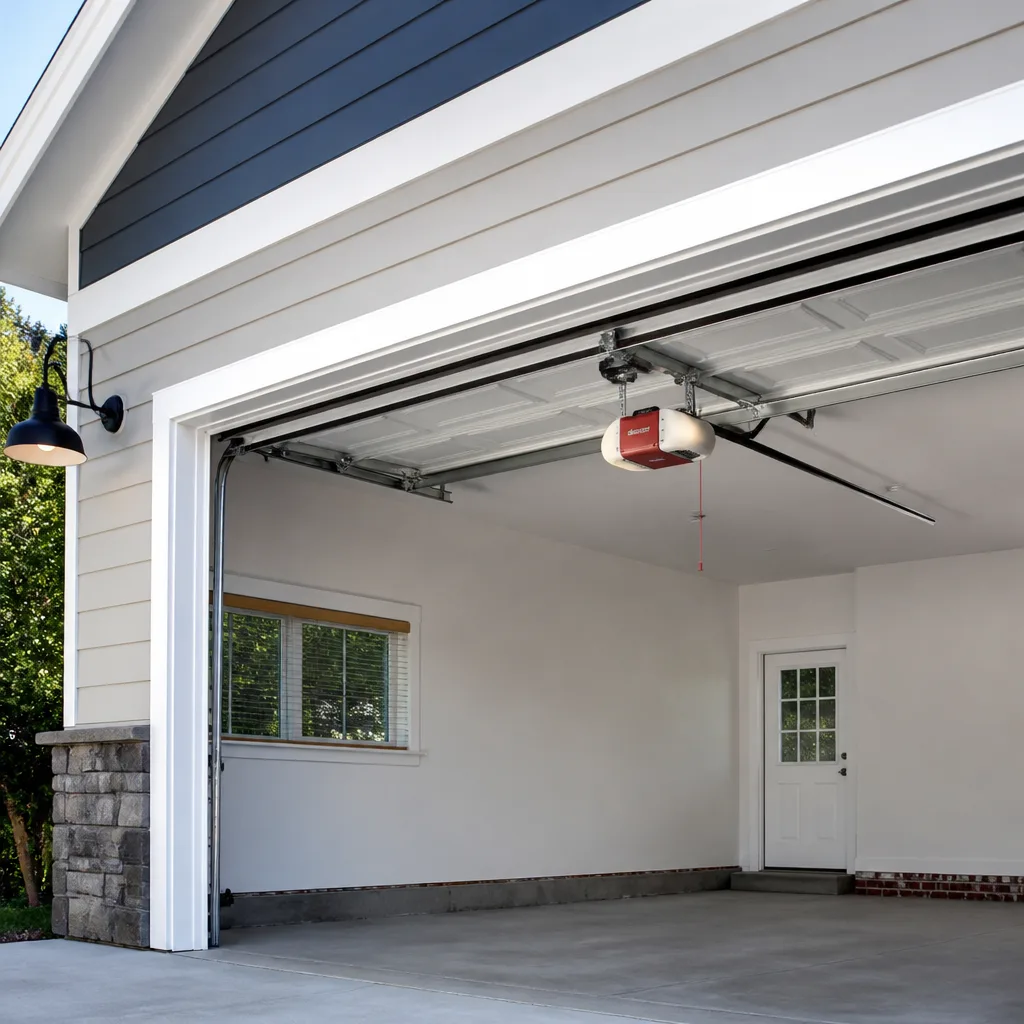 LiftMaster openers
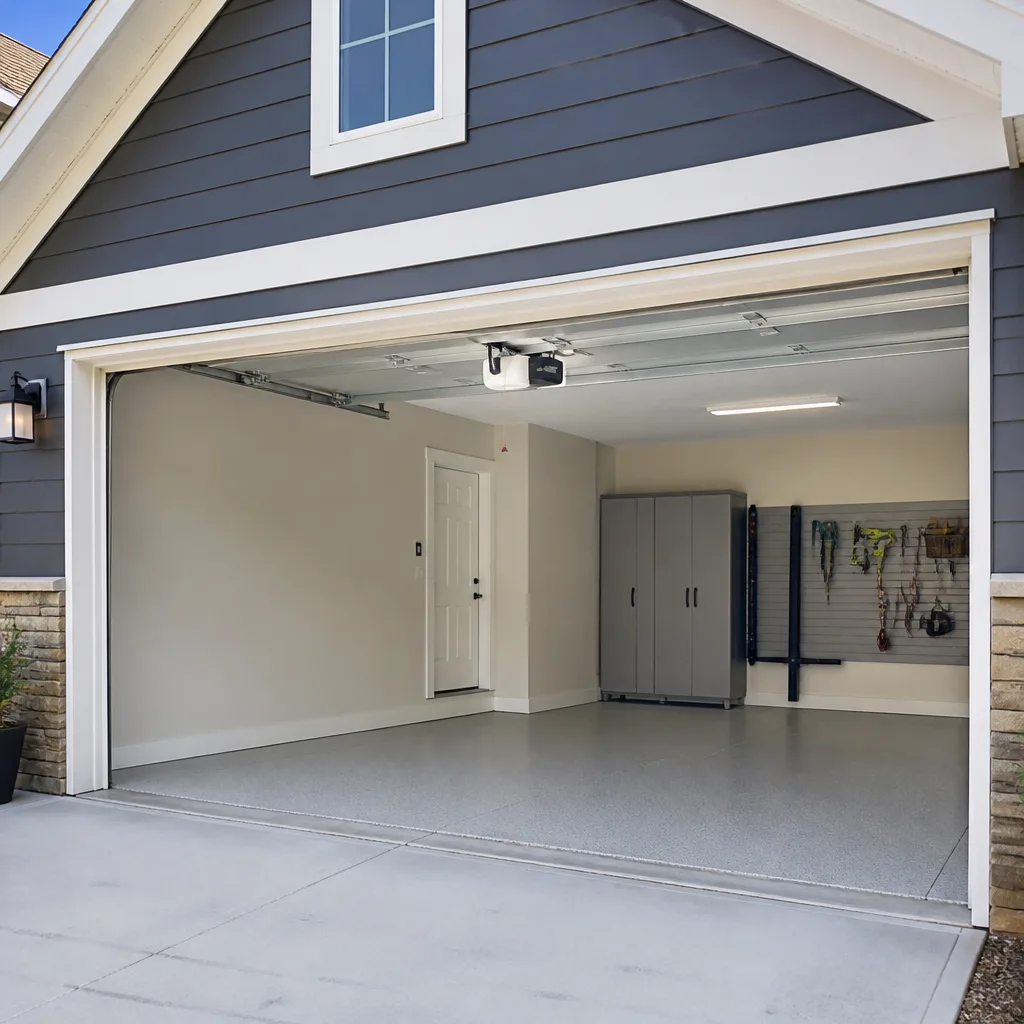 Chamberlain openers
Full 25-point door and opener safety check with every visit - springs, cables, rollers, tracks, and your LiftMaster or Chamberlain opener included
You get a price before we start. It does not change when the pro arrives.
Get your free estimateGarage Door Repair Troubleshooting in St. Charles: Common Problems and How to Fix Them
The door that “just stopped working” almost never fails without warning. In our experience, it gave you at least two earlier symptoms you probably wrote off as normal quirks: a rattle that showed up last month, a door that started hesitating before it reversed, a spot where the track looked slightly bent. Most garage door problems in St. Charles follow one of six mechanical failure patterns, and the pattern tells you whether a screwdriver or a phone call is the right next move. This guide maps symptoms to root causes so you stop chasing the wrong repair and fix the right thing.
Quick Answer
Most garage door failures trace to one of six causes: worn torsion springs, misaligned or bent tracks, opener logic or drive failures, photo-eye obstruction, worn rollers and hinges, or unbalanced door tension. You can safely check the photo-eyes, limit settings, and remote controls yourself, but springs, cables, and cable drums are dangerous and should only be handled by a trained technician. When you have two or more symptoms occurring together, that usually means imminent failure, not a single fixable part.
Styles & brands we work with
- Raised-panel steel
- Carriage house
- Modern flush
- Full-view glass
- LiftMaster openers
- Chamberlain openers
Table of Contents
- The Six Mechanical Failure Patterns
- Symptom-to-Cause Diagnostic Tree
- Safe DIY Adjustments vs. Dangerous Repairs
- Why St. Charles Temperature Swings Cause Seasonal Failures
- How to Isolate the Opener, the Door, and the Controls
- Red-Flag Combinations That Signal Imminent Failure
- What We See Across St. Charles Neighborhoods
- What Garage Door Repair Typically Costs in St. Charles
The Six Mechanical Failure Patterns
Garage doors are simple machines. Every component does one of three things: it lifts, it guides, or it controls. When something goes wrong, the failure almost always fits one of six patterns. Learning to recognize the pattern is faster than guessing at the specific part.
Pattern 1: Spring failure. The torsion spring above the door stores the energy that lifts the door. When it breaks, the door suddenly feels impossibly heavy, the opener strains, and you may hear a loud pop from inside the garage. A broken spring is the single most common cause of a door that won’t open at all.
Pattern 2: Track misalignment. The vertical and horizontal tracks guide the door. A bent track makes the door bind, scrape, or stop partway through the travel. This often shows up after a door is bumped by a car or after years of loose fasteners.
Pattern 3: Roller and hinge wear. Rollers wear flat spots and hinges loosen. The door gets noisier, runs rougher, and eventually starts to jerk on the way up.
Pattern 4: Opener logic failure. The opener’s travel limits, force settings, or control board can drift. The door may reverse for no reason, stop halfway, or refuse to respond to commands.
Pattern 5: Safety sensor obstruction. The photo-eyes at the bottom of the tracks must see each other. Dirt, misalignment, or a spider web will make the door close partway and reverse.
Pattern 6: Control failure. Wall buttons, remotes, and keypads can fail independently of the opener. A dead wall button doesn’t always mean a dead opener.
St. Charles Garage Door Repair Pros works on all six patterns daily, which matters because we’re not diagnosing a brand we’ve never seen. For most homeowners the fastest path is a diagnostic visit that identifies the pattern, then a clear repair plan. You can read more about typical repairs on our garage door repair page.
Symptom-to-Cause Diagnostic Tree
Here’s the diagnostic approach we use in the field. It starts with what the door is doing, not what the door is made of, because symptoms point to causes much faster than part names do.
If the door makes noise:
- A metallic pop followed by a heavy door usually means a broken torsion spring.
- A grinding or scraping noise during travel points to roller flat spots or track binding.
- A rhythmic squeak that appears and disappears suggests dry hinges or rollers.
- A single loud bang from the opener housing often means a stripped gear in the opener drive.
If the door won’t move or moves poorly:
- Door dead in place with no opener sound: check the wall button and the breaker.
- Opener hums but nothing moves: likely a stripped gear or a disconnected emergency release.
- Door moves a foot and stops: travel limit setting is off, or the door is binding on the track.
- Door is heavy to lift by hand: spring or balance issue, and this is a stop-calling situation.
If the opener runs but the door reverses:
- Reverses right after starting down: photo-eye or sensor alignment.
- Reverses halfway through closing: force setting too low, or something is binding.
- Reverses after touching the bottom: limit switch set too far down.
If the remote or wall button fails:
- Wall button works but remotes don’t: remote batteries or opener radio receiver.
- Remotes work but wall button doesn’t: wall button wiring or button failure.
- Nothing works: opener power, control board, or logic lockout.
For LiftMaster and Chamberlain systems in particular, the diagnostic steps are nearly identical because the electronics share a design lineage. If you use a Genie opener, the wall control wiring path is usually the difference. Our garage door opener repair team works with all three weekly.
Safe DIY Adjustments vs. Dangerous Repairs
Some garage door tasks really are safe for a homeowner with basic tools. Others can injure or kill a careful person, and we don’t soften that wording because the risk is real. Here’s the line.
Safe to check or adjust yourself:
- Aligning the photo-eye sensors at the bottom of each track so their indicator lights stay solid.
- Wiping dirt or cobwebs off the lenses.
- Changing remote batteries and re-syncing the remote to the opener using the opener’s learn button.
- Testing the wall button and confirming the opener has power.
- Adjusting the opener’s up and down limit screws per the manual, if you can comfortably reach the opener.
- Replacing a bent weather seal at the bottom of the door.
- Tightening a loose hinge or roller bracket, provided the door is fully down and the tension is not loaded.
Not safe. Do not attempt:
- Replacing or adjusting torsion springs. The spring is under extreme tension and the correct tools require winding bars of a specific size. A slipping spring can break bones.
- Touching the cables or cable drums. Cables are under tension even when the spring looks fine.
- Removing the bottom bracket or the center bearing plate while the spring is loaded.
- Trying to lift a door with a broken spring by force. The opener isn’t rated for that load, and the door can come down unbalanced.
If you’re not sure whether a repair is safe, treat it as unsafe. We don’t say this to win a repair job; we say it because spring work is the repair most likely to send a homeowner to the emergency room. Our garage door spring repair team uses proper winding bars, vise grips, and lock-down procedures on every job.
Why St. Charles Temperature Swings Cause Seasonal Failures
St. Charles sits in a climate with real temperature spread. January runs cold, July runs hot, and the spring and fall in between bring swings of 30 to 40 degrees within a week or two. Metal, rubber, and lubricant all respond to that. This is why repair volume in St. Charles has a rhythm to it that people ask us about every year.
Cold-weather failures (January through March):
- Torsion springs become more brittle at low temperatures. A spring that was already at the end of its cycle life often snaps on the first very cold morning, sometimes the first time the door runs after a long cold stretch.
- Grease thickens. Bearings and rollers get stiff, so the door feels heavier and the opener works harder.
- Weatherstripping hardens and cracks, then water gets in and rusts the bottom bracket.
- Cables can freeze to the drum if water got in during a prior season.
Hot-weather failures (June through August):
- Wood doors expand. Panels that fit in April can bind in July, which loads the opener and causes the door to stop partway.
- Metal tracks expand and shift slightly on their fasteners. A track that was square in April can be out of alignment by July.
- Heat degrades rubber seals, so the bottom seal gets gummy and starts to drag or tear.
The transitions are the danger windows. Repeated expansion and contraction loosens fasteners, works hardware, and wears weather seals. So the best time to inspect hardware and lube moving parts is late spring and mid-fall, before the extremes hit. If you hear a new noise in October, that’s usually the sound of a component that already worked itself loose during the summer.
In St. Charles, this matters because we have real winters and real summers. A door that lives in a more temperate place won’t see this kind of cycle stress. If you’re booking a repair, consider having the whole door inspected at the same time you call about the original problem. One visit can catch a spring that’s about to fail rather than a spring that already has.
How to Isolate the Opener, the Door, and the Controls
You don’t need special tools to figure out which part of the system is failing. You need to test three things independently: the door, the opener, and the controls.
Step 1: Test the door by hand. Pull the emergency release cord (usually a red handle hanging from the opener rail) so the opener disengages from the door. Lift the door manually. A balanced door should lift with modest effort and stay where you leave it, roughly waist high. If it feels like lifting a car, or if it won’t stay up, the door mechanics are the problem, not the opener.
Step 2: Test the opener alone. With the door still disconnected, press the wall button. The opener carriage should move along the rail without the door. If the carriage doesn’t move, the opener is failing. If it moves fine, the door was the culprit.
Step 3: Test the controls separately. Press the wall button and note whether the opener responds. Then test a remote. If both work, your controls are fine. If the wall button works and remotes don’t, it’s a remote or receiver issue. If the wall button doesn’t work and the remotes do, it’s the wall button or its wiring.
Step 4: Check the photo-eyes. The two small sensors near the floor at each track should each show a steady indicator light. If one is dark or blinking, they’re misaligned or blocked. Aligning them is safe. Replacing them is a repair.
Once you know which leg of the tripod is failing, you can decide whether to fix it yourself or call us. If you’re not sure, we can talk it through; call St. Charles Garage Door Repair Pros and we’ll help you sort opener failure from door failure over the phone.
Red-Flag Combinations That Signal Imminent Failure
A single symptom is often fixable on its own. Two or more symptoms together is a different story. Certain combinations tell us the whole door system is near failure, and a part swap won’t hold. If you see any of these combinations, plan a service visit before the door fails completely, not after.
Combination 1: Noise plus hesitation plus weight. A door that groans, stops partway through travel, and feels heavy to lift has multiple worn parts at once. Usually it’s a worn spring plus worn rollers plus loose hinges. Replacing one part makes the others fail faster.
Combination 2: A door that’s out of square plus a bent track plus a slow opener. This is a door that got bumped and never got realigned. The opener is compensating, but it’s wearing down while it does. Catch this before the opener fails.
Combination 3: A visible gap in the weather seal plus a rusted bottom bracket plus a tilt. Water is getting in at the bottom of the door. That means the bottom bracket, which carries real load, is compromised. This is a serious safety issue, not a cosmetic one.
Combination 4: Multiple electronic failures at once. If the remote, wall button, and safety reverse all act up at the same time, the opener control board is usually failing. The cheap fixes won’t stick; the board needs replacement.
Combination 5: Spring replacement history plus door age. If you’ve already replaced one spring and the other looks similar, replace them as a matched pair. A matched pair costs about twice what a single spring does, because spring pricing is per spring. Mismatched springs strain the door unevenly.
If you spot any two of these combinations in St. Charles, treat the door as in need of service. Catching it on your schedule is far easier than catching it with a car trapped inside.
What We See Across St. Charles Neighborhoods
St. Charles has a housing mix that affects garage door repair patterns. Older neighborhoods near historic Main Street tend to have smaller one-car garages with wood doors that need more frequent sealing and track adjustment. Newer subdivisions on the west side of town usually have two-car garages with steel doors and belt-driven openers, which tend to develop opener issues before they develop door issues.
ZIP 63301 and 63303, which cover much of central St. Charles, have a lot of homes built in the 1980s and 1990s. Those doors are often at the age where springs and rollers are on their second or third cycle. In areas around the Harvester and Zumbehl corridors, we get a lot of service calls for binding tracks after a door has been nudged by a car. New construction on the outer edges tends to have newer LiftMaster or Chamberlain openers, which rarely fail mechanically but do need remote and sensor troubleshooting.
We also handle light-commercial garage doors at small businesses around St. Charles. Those doors run many more cycles per day, so spring life is measured in months rather than years. A commercial door that opens 30 times a day needs spring inspection at a much shorter interval than a residential door that opens twice.
None of this changes the diagnostic tree, but it does change what we expect to find when we pull up. If you’re in a 1990s subdivision with a steel door and a Chamberlain opener, we already know which three components to look at first. That’s why a single-trade specialist matters: we see the same patterns across the same St. Charles housing stock all week.
What Garage Door Repair Typically Costs in St. Charles
Here’s what typical repair work in St. Charles runs, so you can compare quotes and know what budget to expect. The written estimate sets the final price, and we always quote before the work starts.
| Repair | Typical Range (St. Charles) |
|---|---|
| Torsion spring, one spring | $180 – $340 |
| Torsion spring, matched pair | About twice the single-spring price |
| Extension spring, one spring | $140 – $260 |
| Cable replacement, one side | $140 – $260 |
| Roller and hinge replacement (whole door) | $180 – $320 |
| Track straightening or replacement | $160 – $400 |
| Opener repair (gear, board, or travel limits) | $180 – $400 |
| Photo-eye sensor replacement | $100 – $180 |
| Weather seal replacement | $120 – $220 |
| Full opener replacement (unit and labor) | $380 – $750 |
A few things move the price within those ranges. A door that needs two-part repairs will sit at the top of two ranges rather than the middle of one. Premium or heavy-duty spring life usually adds to the cost. And any job where the brackets or bottom plate have to be rebuilt because of rust or impact costs more than a straight swap.
Estimates are always free. Call (877) 685-1815 and we’ll quote the exact scope. If a tech finds a second problem on-site, we stop, re-quote, and get your approval before touching anything. The price you agree to is the price on the invoice.
Common Mistakes to Avoid
- Trying to force a stuck door with the opener. When a spring is broken, the opener is pushing against the full weight of the door. That strips the opener gear or burns out the motor, and it doesn’t get the door open. Fix the spring first.
- Replacing one spring when both are worn. A matched pair should be replaced together because the springs have run the same number of cycles. Putting a new spring next to a worn one loads the door unevenly, and the old one usually fails soon after.
- Oiling the tracks. Tracks should stay dry. Grease on a track attracts grit and gumming, and it makes binding worse. Lube the hinges, rollers, and bearings, not the tracks.
- Ignoring a door that reverses halfway. A door that reverses on the way down is failing a safety test, which means a child or pet could be seriously hurt. Get it fixed before using the door.
- Bumping the track with the car and not checking alignment. A single bump often bends the vertical track just enough to bind the door. Catch it while the fix is a 15-minute adjustment rather than a full track replacement.
- Buying a new opener to solve a door problem. If the door is heavy by hand, a new opener will fail just as fast as the old one. Diagnose which part of the system is broken before spending money on the wrong fix.
- Setting the door down on the bottom seal without checking for a gap. A hard weather seal has to sit flat on the floor, or water gets into the garage, especially during St. Charles County spring storms. Test it by placing a dollar bill on the floor, closing the door, and pulling. You should feel resistance on all sides.
See the difference
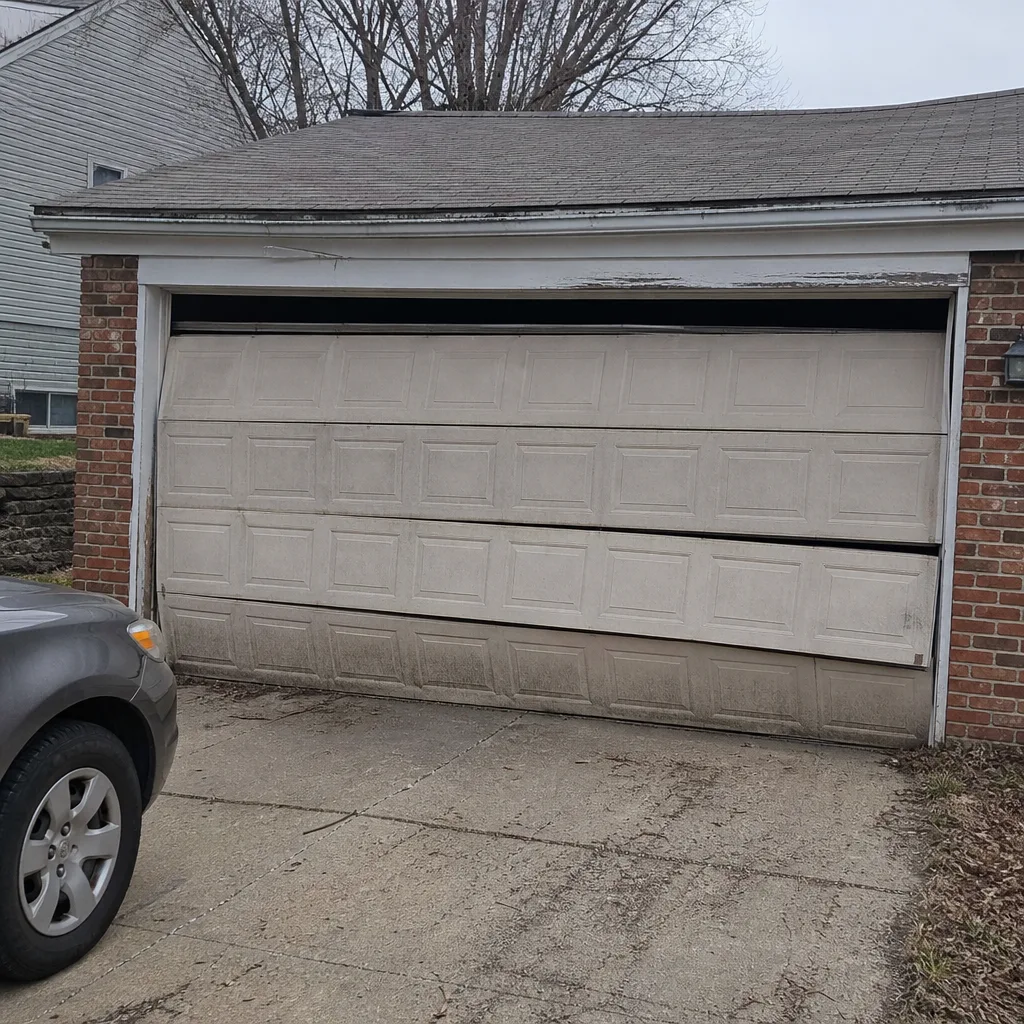 Before
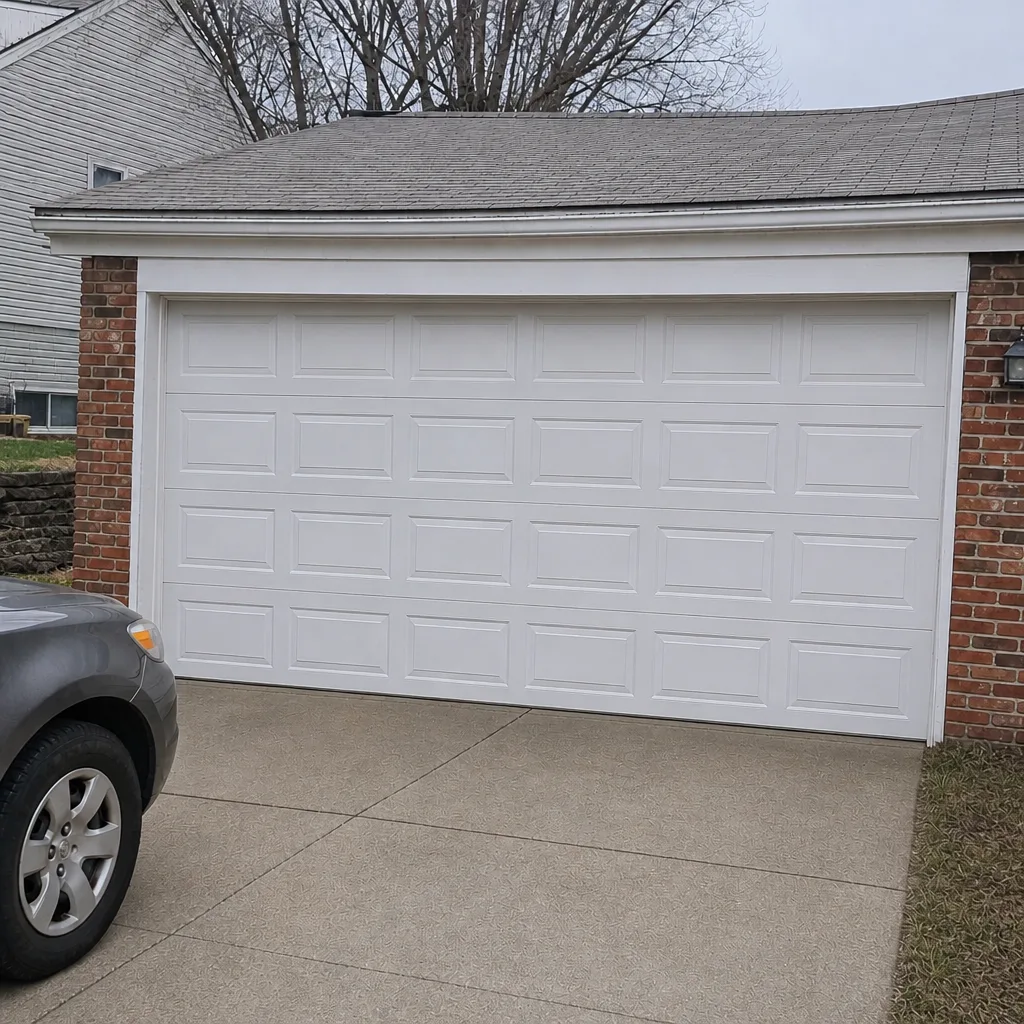 After
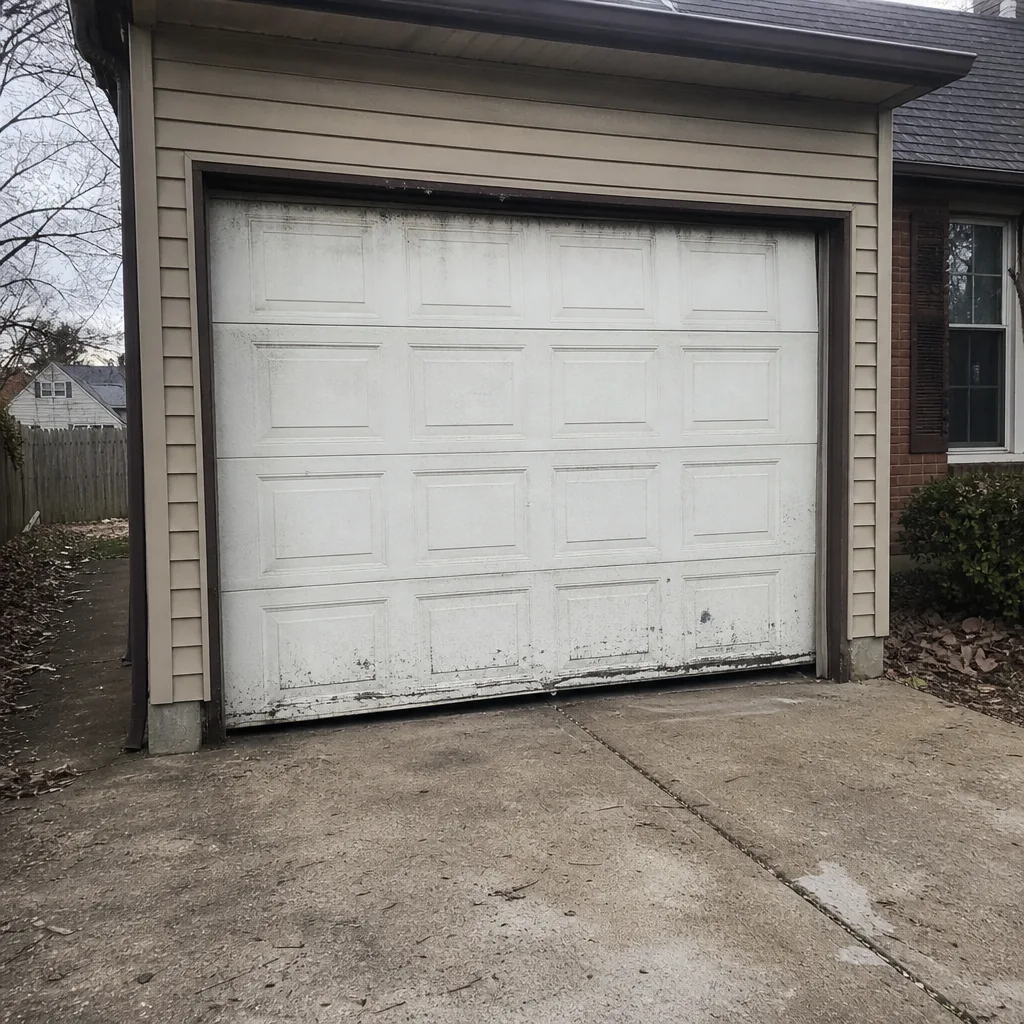 Before
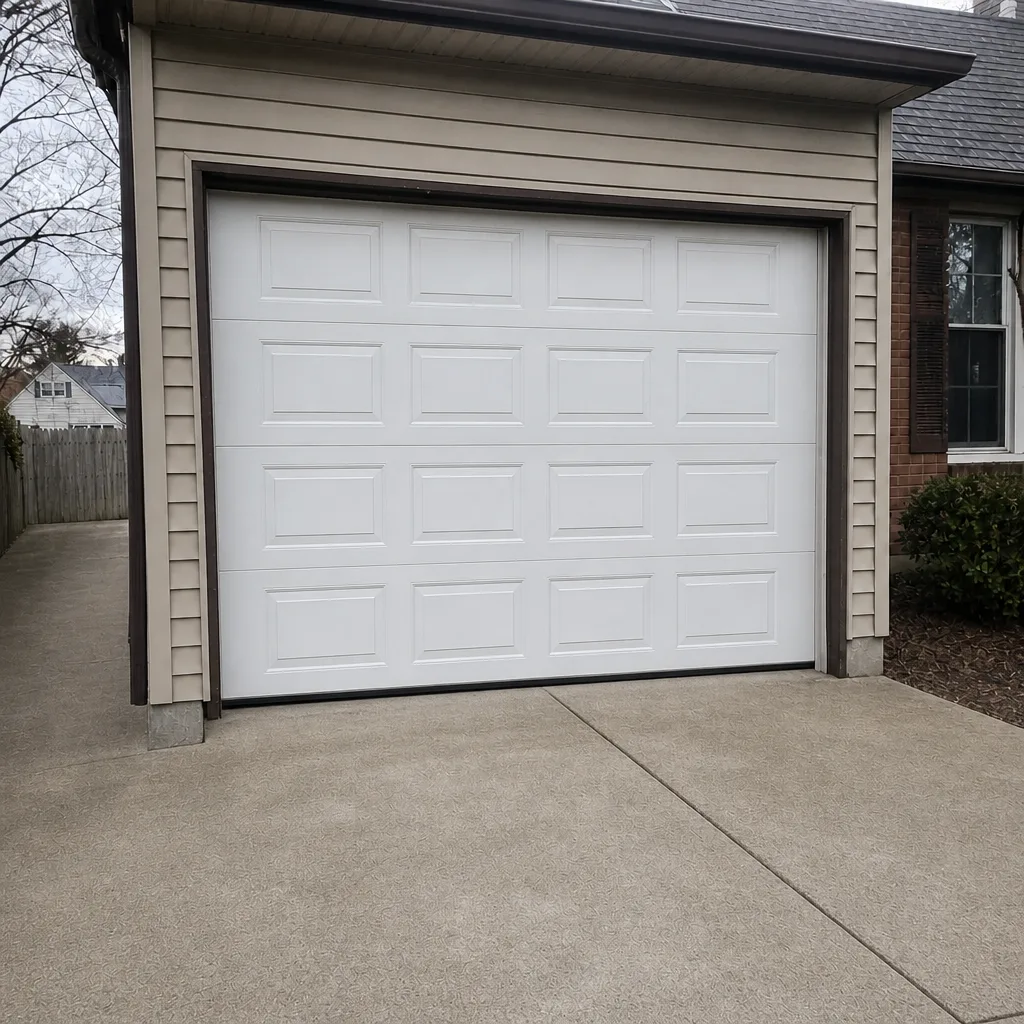 After
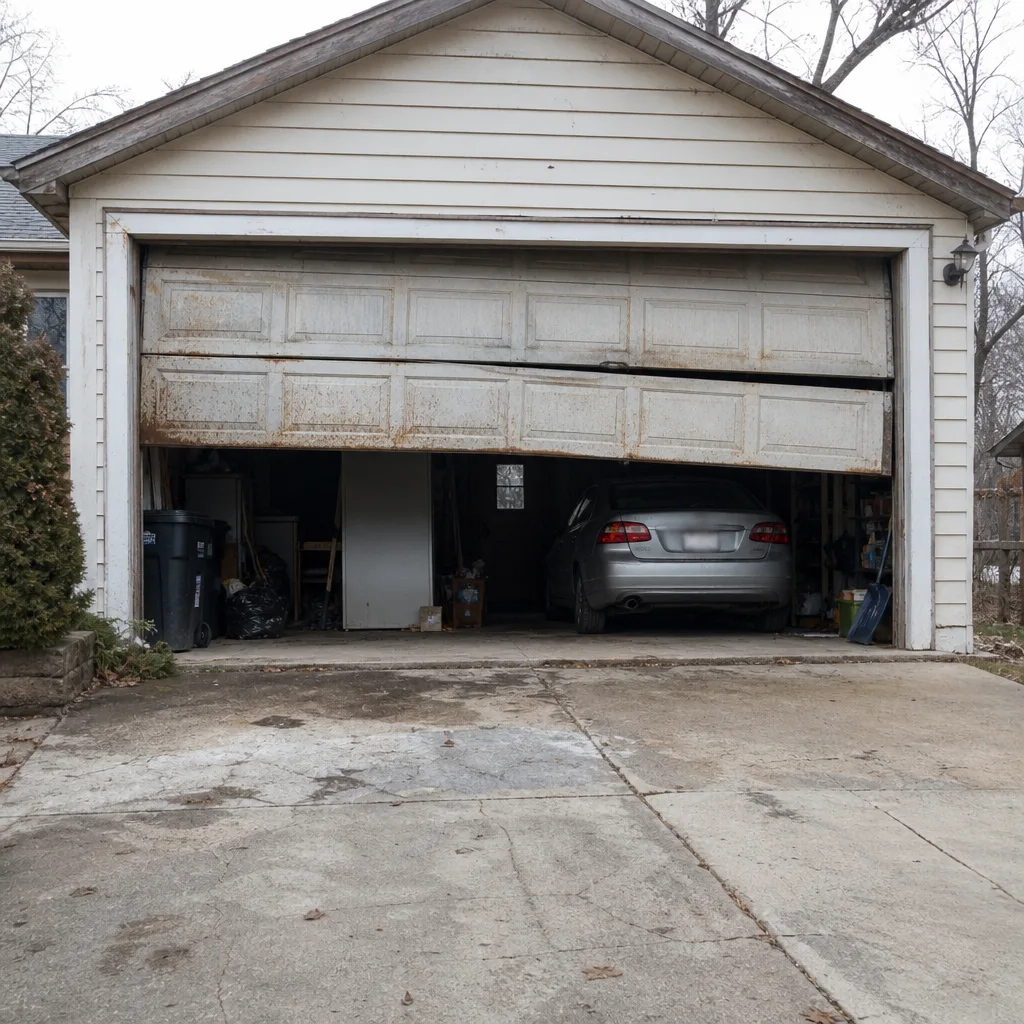 Before
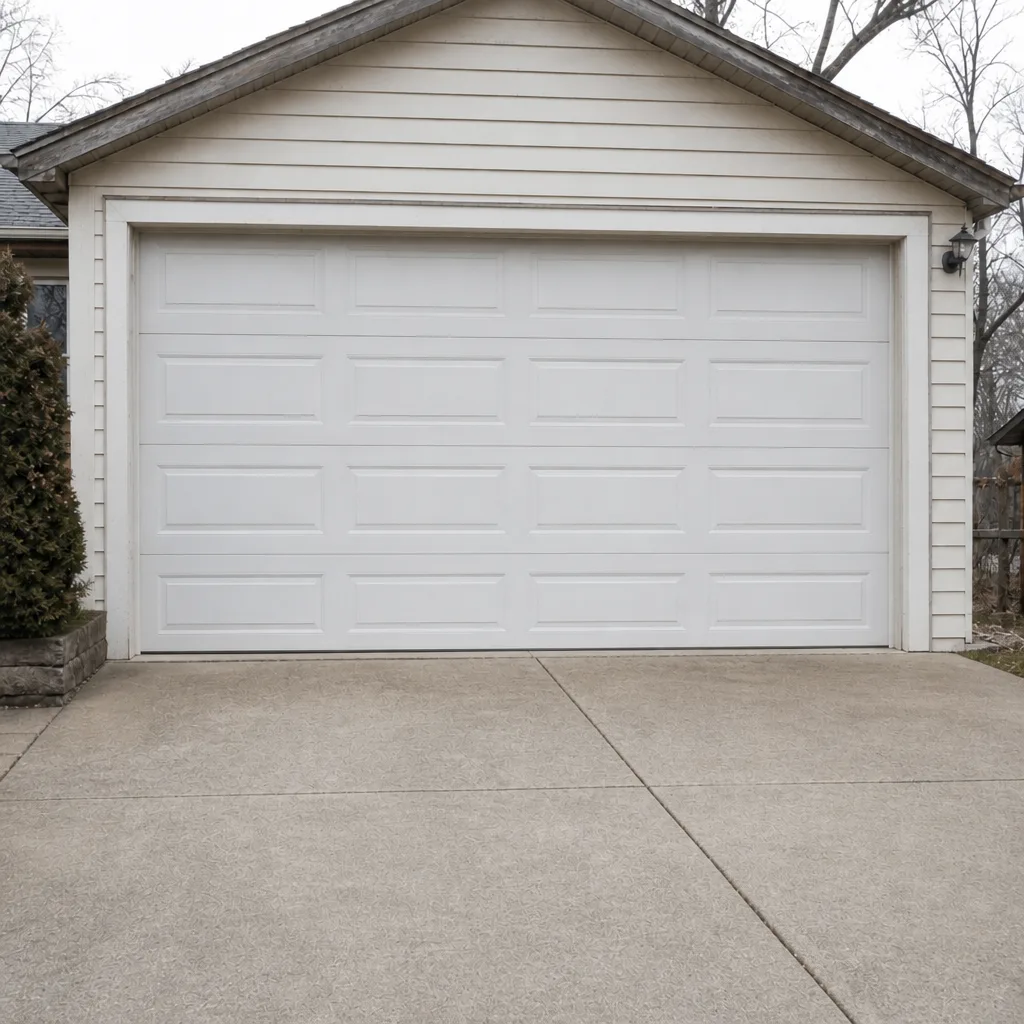 After
When to Call a Professional
Call a technician if the door won’t open at all, if a spring has visibly broken, if the door is heavy to lift by hand, if a cable looks loose or off the drum, or if you see any two of the red-flag combinations above. Also call if the door reverses on its own, if the bottom bracket is rusted through, or if the opener is making a grinding sound that’s new.
If you’re not sure whether a job is safe, err on the side of the call. The line between a limit screw adjustment and a spring winding is not always clear from the symptoms, and the cost of getting it wrong is much higher than the cost of a diagnostic visit. St. Charles Garage Door Repair Pros offers free estimates in St. Charles. Call (877) 685-1815 and we’ll walk you through what’s likely happening, then quote the repair in writing before any work starts.
Frequently Asked Questions
No. A torsion spring is under extreme tension, and replacing or adjusting it requires specific winding bars and lock-down procedures that untrained homeowners don’t have. Handled incorrectly, a spring can slip and cause serious injury. Call a technician; the job itself usually takes under an hour with proper tools.
A door that opens a foot and stops is almost always a travel limit setting on the opener, or a door that’s binding on the track. If the door is heavy to lift by hand with the opener disengaged, the cause is mechanical and not electrical. Either way, it’s a quick diagnostic visit that ends with a limit adjustment or a track repair.
A door that reverses halfway down almost always has a force setting that’s too low, or something is binding on the way down. Check for an obstruction first, and check that the photo-eyes are aligned. If it keeps reversing with a clean path, the opener’s travel force needs adjustment or a worn component is dragging.
Typical repairs in St. Charles run from around $100 for a photo-eye sensor swap to $400 or more for a track replacement or opener board repair. A spring, the most common repair, is typically $180 – $340 per spring, and a matched pair costs about twice that. The written estimate is what sets the final price in St. Charles. Call (877) 685-1815 for an exact quote; estimates are free.
Torsion springs get more brittle in cold weather, and January mornings in St. Charles are cold enough to snap a spring that was already near the end of its cycle life. Springs are rated for a number of open-close cycles regardless of temperature, and winter often exposes the one that was already past that limit. Inspecting hardware in late fall catches these before they fail.
We service LiftMaster, Chamberlain, Genie, Clopay, Amarr, Wayne Dalton, Craftsman, and Raynor, both residential and light-commercial. We work on all these systems regularly, so we don’t have to relearn your door on the clock. If your brand isn’t one of these, call us and we can often still help.
Yes. If the door won’t open with a car trapped inside, or the door won’t close and the house is open, call (877) 685-1815 and we’ll prioritize the visit. Emergency service is a confirmed offering, and we can often be there the same day, but we don’t promise a specific arrival minute because real-time conditions vary.
It depends on the pattern. A door that’s wearing through its second spring cycle and needs new rollers is usually still cheaper to repair than to replace. A door with rusted bottom brackets, a cracked panel, and multiple track failures is often a replacement candidate. The estimate makes the choice obvious, and a good technician will tell you which it is.
The Bottom Line
Garage door repair starts with diagnosis, not replacement. Learn the six failure patterns and the symptom-to-cause tree above, and you’ll know when a screwdriver is enough and when to reach for the phone. The safety line is clear: limit screws, photo-eyes, and remotes are safe to check yourself; springs, cables, and cable drums are not. St. Charles temperature swings drive predictable seasonal failures in both springs and weatherstripping, so inspection in late spring and mid-fall catches the parts that are about to break. If two or more symptoms show up together, treat the door as failing rather than fixed.
If you’re sorting a symptom right now, call (877) 685-1815 for a free estimate. We’ll identify the pattern, quote the repair in writing, and never start work until you approve the price.
Written by the team at St. Charles Garage Door Repair Pros.