Last updated November 22, 2026
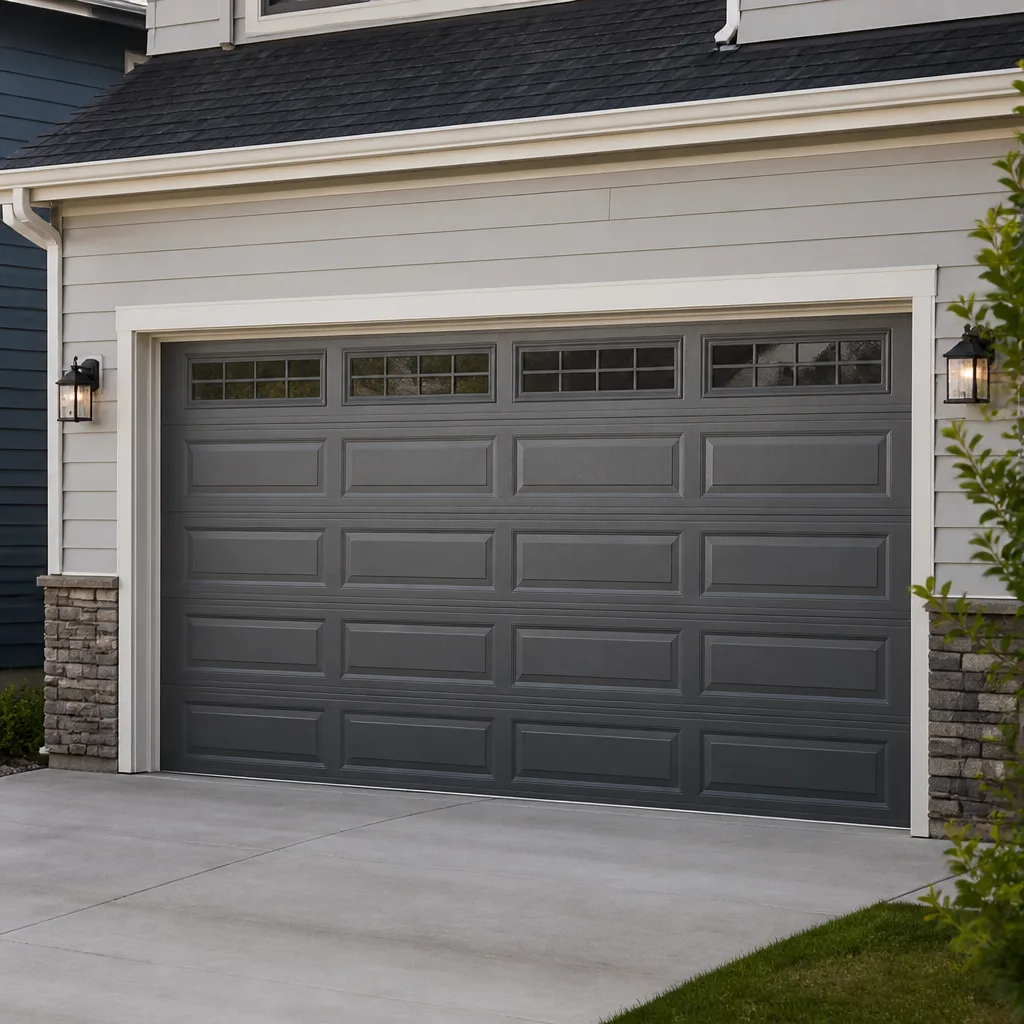 Raised-panel steel
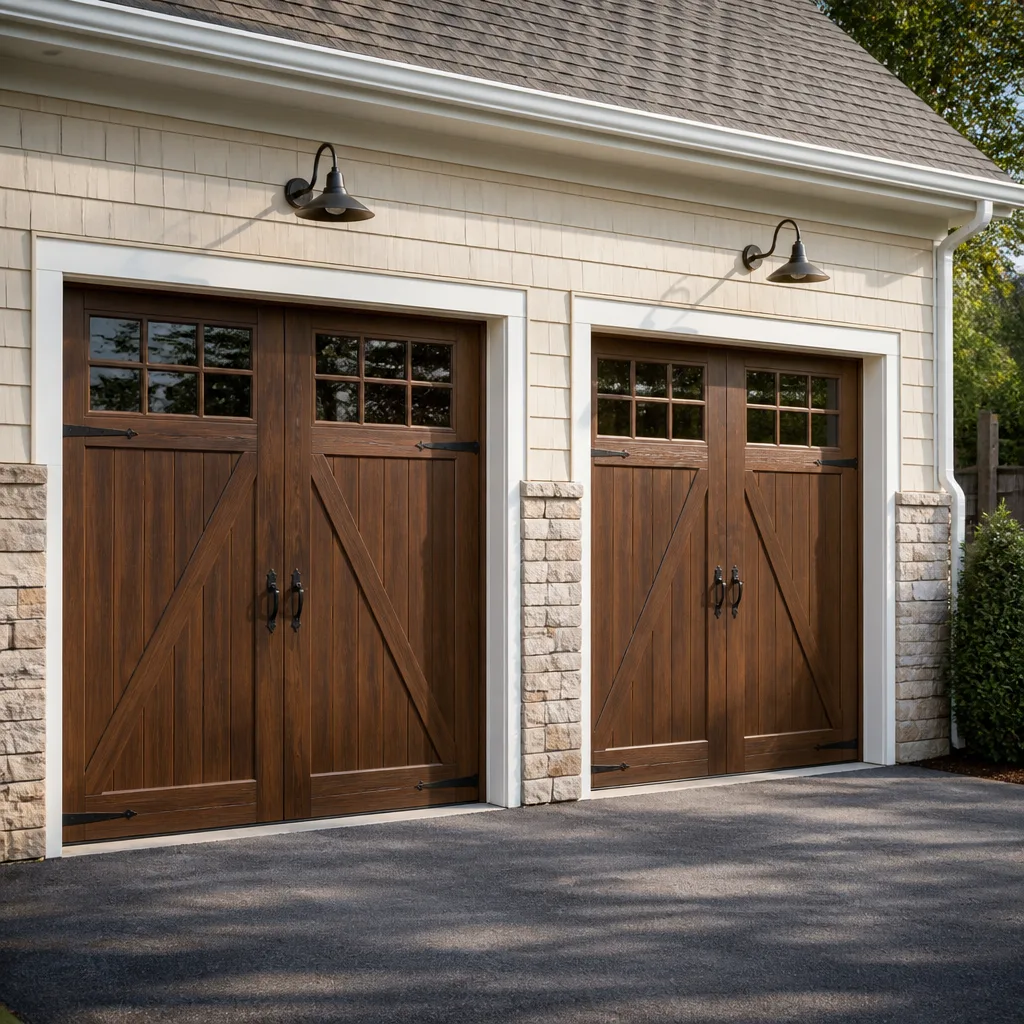 Carriage house
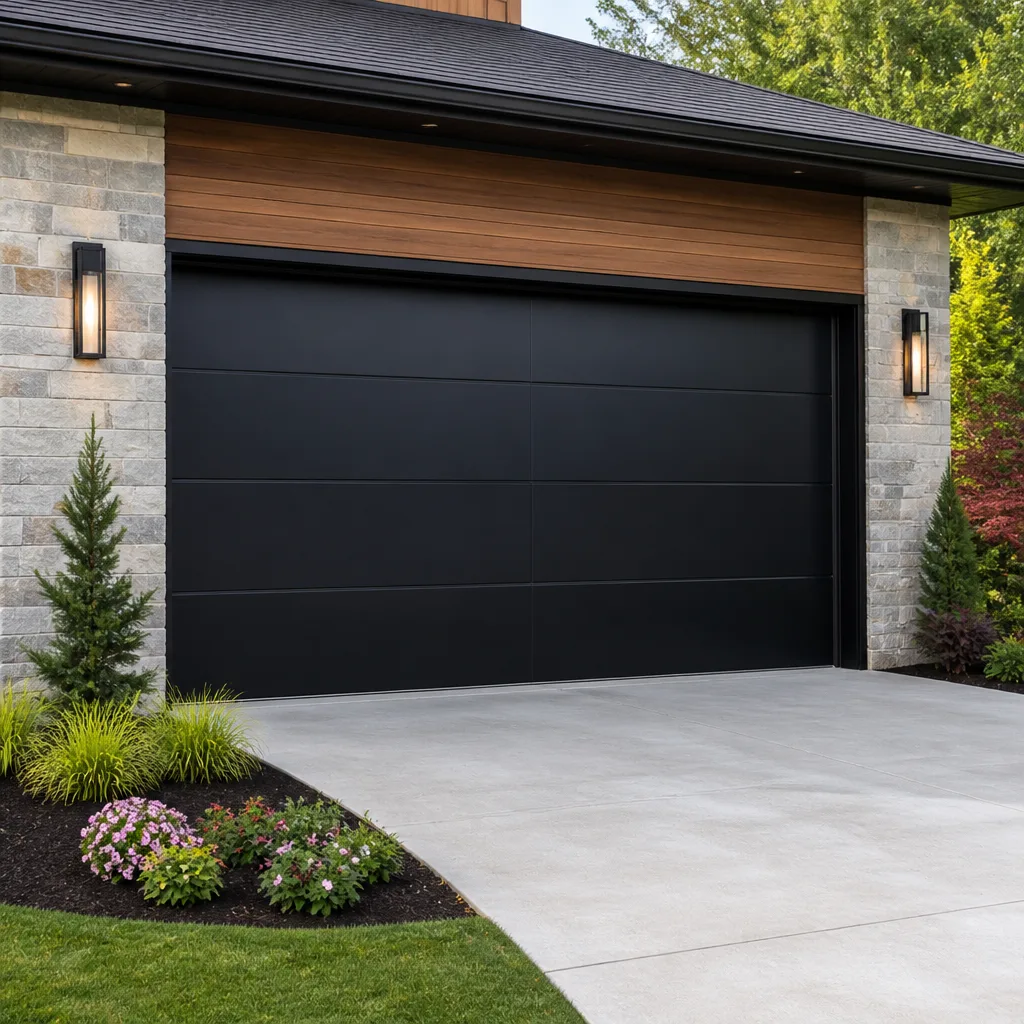 Modern flush
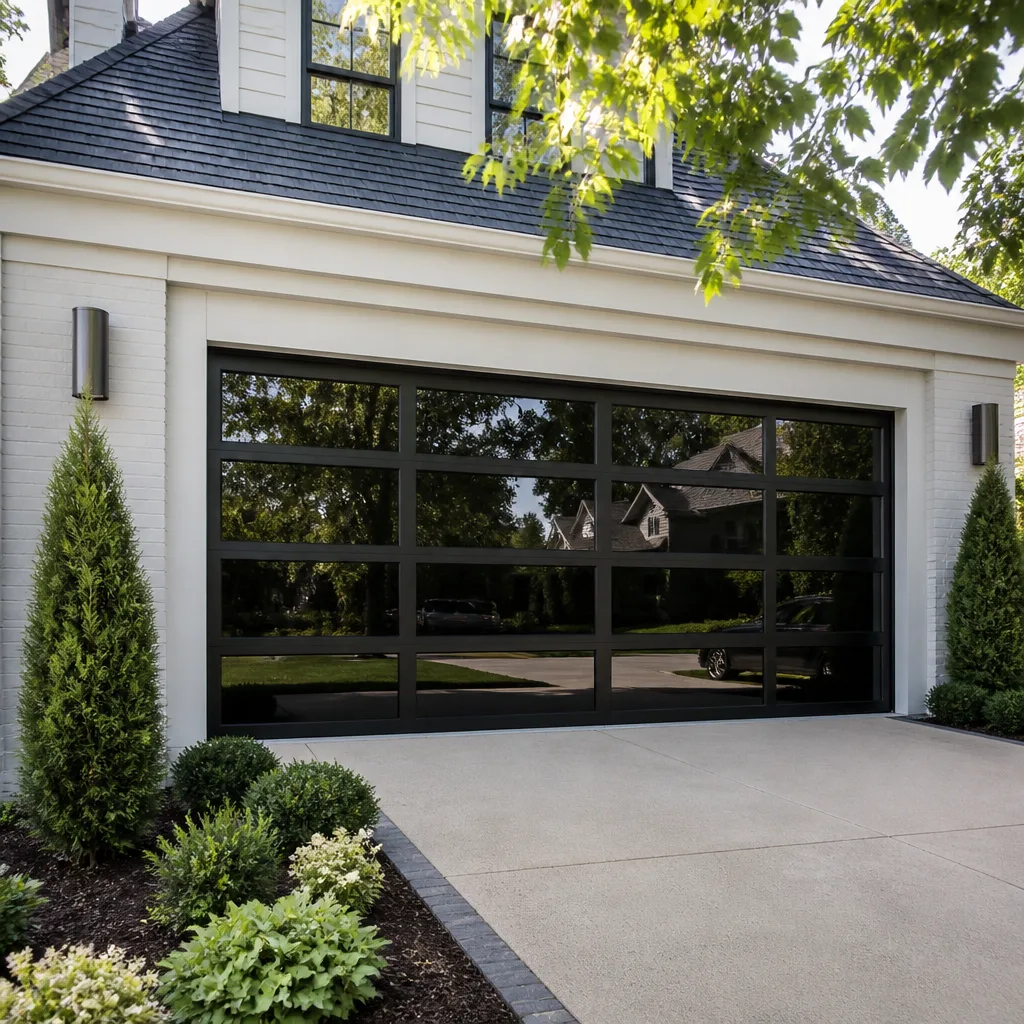 Full-view glass
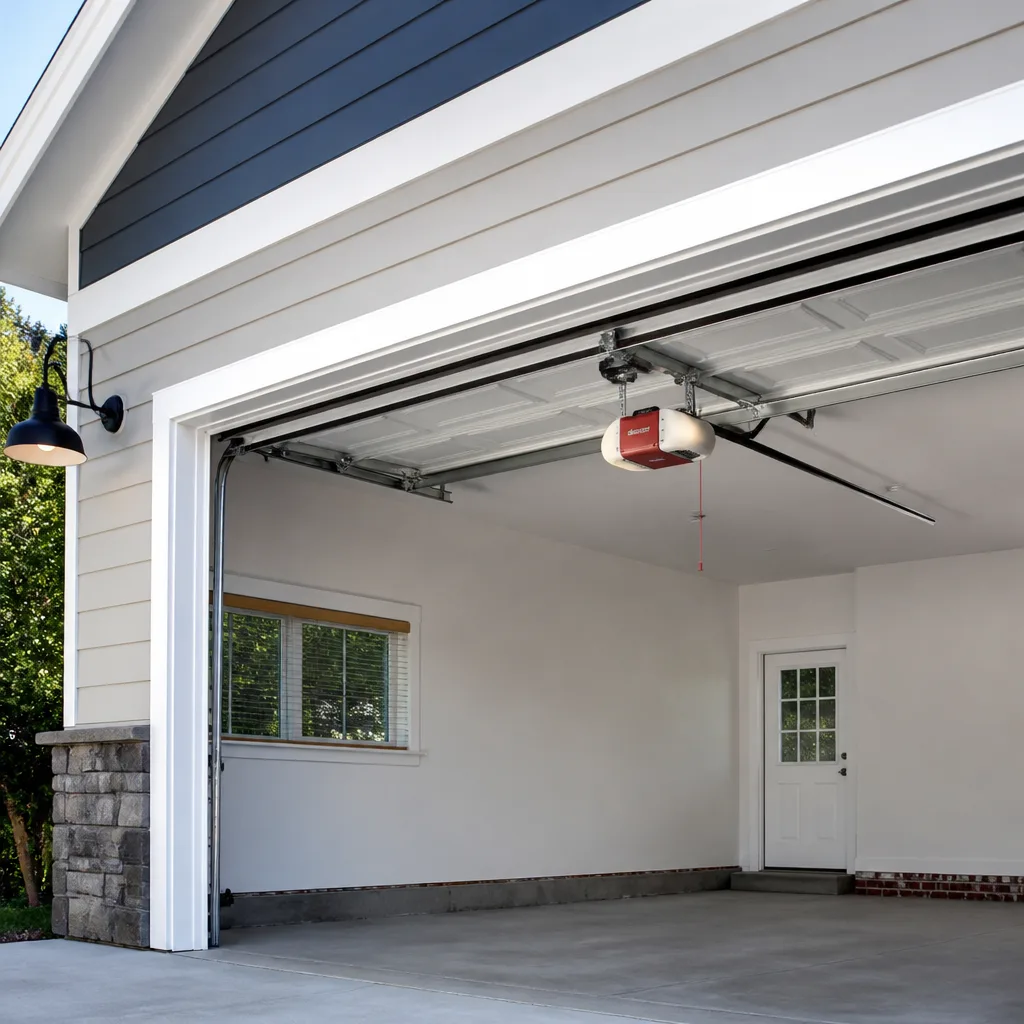 LiftMaster openers
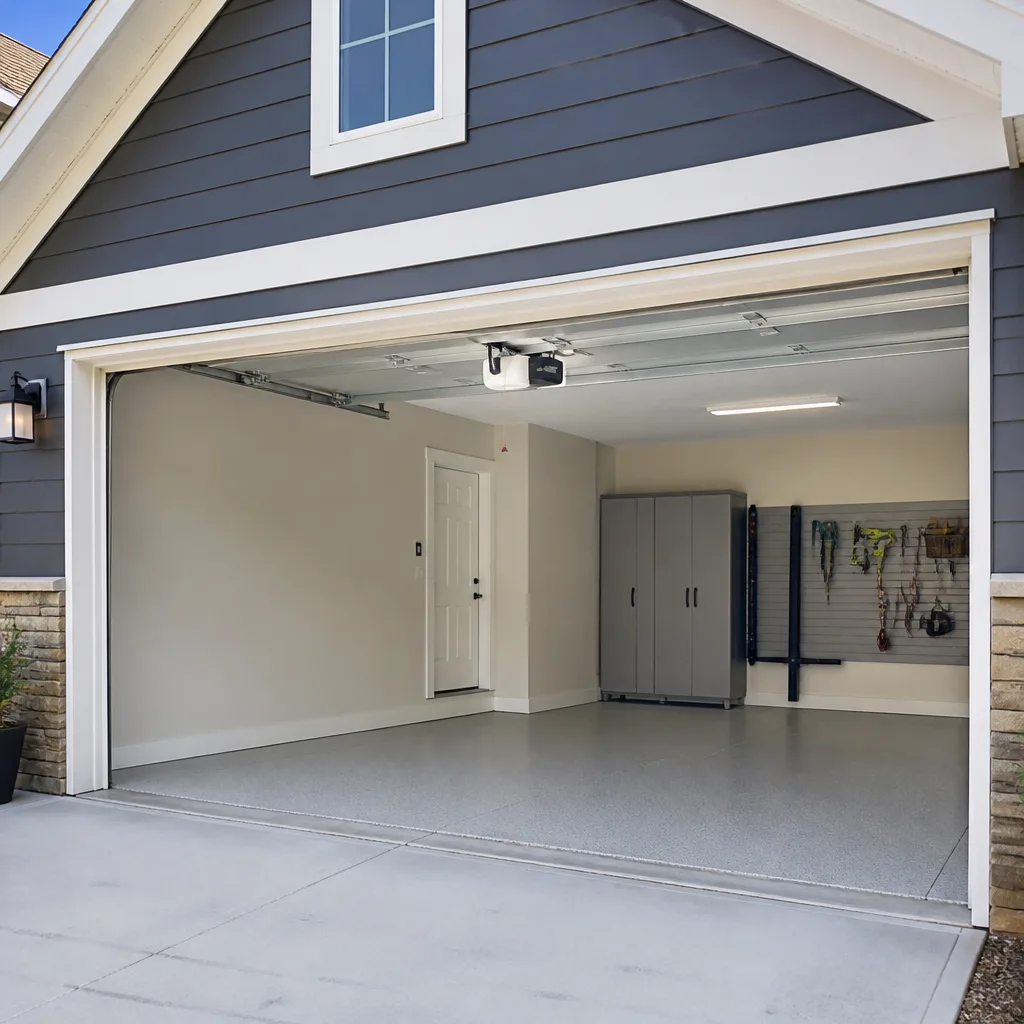 Chamberlain openers
Full 25-point door and opener safety check with every visit - springs, cables, rollers, tracks, and your LiftMaster or Chamberlain opener included
You get a price before we start. It does not change when the pro arrives.
Get your free estimateChoosing the Right Garage Door Brand: A Buyer’s Guide for St. Charles
Most homeowners walk into a showroom and pick a door the way they’d pick a paint color: by look. That’s the wrong starting point. The brand on the door matters far less than whether the local supply chain can get you a replacement section when a hailstorm takes one out, and whether your opener and your door were designed to talk to each other. A premium brand with a thin local parts chain is functionally worse than a mid-tier brand with distributor stock nearby. This guide breaks down how the major manufacturers actually perform in St. Charles: steel gauge, insulation, parts availability, and opener integration. You’ll learn how to read a spec sheet instead of a brochure.
Styles & brands we work with
- Raised-panel steel
- Carriage house
- Modern flush
- Full-view glass
- LiftMaster openers
- Chamberlain openers
Quick Answer
The right garage door brand for a St. Charles home is the one with local parts availability, a gauge of steel that resists hail dents, insulation matched to a Missouri winter, and hardware that plays well with LiftMaster/Chamberlain or Genie openers. Clopay, Wayne Dalton, and Amarr lead on that combination, with CHI as a solid alternative. Brand loyalty is secondary to whether a distributor can get you a panel inside a few business days. Our technicians have up to 14 years of experience working on all of them, and the honest answer is usually about supply, not logos.
Table of Contents
- Brand by Brand: What Actually Gets Sold and Serviced in St. Charles
- Parts Availability: The Reality Check Nobody Mentions
- Steel Gauge Honesty: How to Read the Spec Sheet
- Insulation R-Value: What a Two-Layer Door Really Does in January
- Opener Brand Alignment and Warranty Headaches
- How St. Charles Climate and Housing Stock Shape the Choice
- Seven Steps to Choosing a Brand Correctly
- Common Mistakes to Avoid
- When to Call a Professional
- Frequently Asked Questions
- The Bottom Line
Brand by Brand: What Actually Gets Sold and Serviced in St. Charles
Four manufacturers do most of the residential work in St. Charles, and each of them leads somewhere different. Here’s our honest read on where each one shines and where it falls a little short. We aren’t loyal to any single brand because we work on all of them, and the right pick depends on what your door has to survive.
Clopay
Clopay’s strength is breadth. Their steel doors range from builder-grade to premium carriage-house styles, and their insulation lineup is clearer than most competitors’. The line that sells best in St. Charles is the mid-to-upper steel range with injected polyurethane. Where Clopay falls short is style consistency across entry and garage door lines, so matching a new garage door to an older front door can take some hunting. Parts chain in the St. Louis metro is strong, which matters most when a section has to be replaced.
Wayne Dalton
Wayne Dalton is a workhorse brand. Their traditional raised-panel steel doors are everywhere in St. Charles subdivisions built in the 1990s and 2000s, which means if you’re replacing a Wayne Dalton, the surrounding trim and opening typically fit their current line without custom carpentry. Their hardware is often their weak point over time; opener brackets and hinge plates are the parts we replace most on older Wayne Dalton doors. But the door body itself holds up well.
Amarr
Amarr is where the value conversation usually ends. Their steel doors are genuinely well-built for the price, and their insulation specs on the mid-tier models are honest. We like Amarr for attached garages in St. Charles because the polyurethane models hold up through a hard Missouri winter without the interior panel sweating the way a polystyrene door can. The catch is fewer local distributors on some specialty styles, so a decorative carriage-house order can stretch your timeline.
CHI
CHI is the brand we recommend most to homeowners who care about construction details more than style catalogs. Their steel gauge tends to run heavier at the same price point as competitors, which matters in hail country. Their product line is narrower, so if you’re matching a very specific architectural look, CHI may not have it. If a plain, solid, hard-wearing door is what you want, CHI is worth pricing first.
Parts Availability: The Reality Check Nobody Mentions
This is the section a showroom won’t walk you through, and it’s the one that decides whether your door gets fixed in 48 hours or four days. The honest rule: a premium brand with no local parts chain is worse than a mid-tier brand with a full pipeline. St. Charles sits inside the St. Louis metro distribution ring, so the major manufacturers all have some local stock. What differs is how much they keep on hand and how fast a specialty panel has to be factory-shipped.
Here’s how to read the parts situation for any brand you’re considering:
- Ask who carries the brand locally. A brand with a distributor or stocked dealer inside the metro can usually source a common spring, hinge, roller, or panel from in-area inventory. A brand with no local stock has every part shipped in.
- Ask what “factory order” means for a panel. When a section has to be made at the factory, a hail-damaged panel can mean a full week or more with the door out of service. That timeline is worth knowing before you buy.
- Ask about your specific color and style, not the brand in general. Common white raised-panel doors are stocked everywhere. A custom color or a carriage-house style is often factory-only, even on a brand with strong local stock.
- Ask about spring and hardware commonality. Springs, cables, hinges, and rollers are largely brand-agnostic and easy to source. Panels, opener rails, and track components are where brand matters.
- Ask how the door ships in the first place. Some brands ship panels flat and assembled locally; others ship cased. Local assembly means a replacement panel can often be built faster.
When your door is broken and the question is immediate, the best answer is to call a specialist who already knows the brand. Our garage door repair team works on Clopay, Wayne Dalton, Amarr, CHI, LiftMaster, Chamberlain, Genie, and Raynor systems regularly, so we don’t burn a diagnostic visit learning your equipment. We know what’s stocked locally and what isn’t before we order a part.
Steel Gauge Honesty: How to Read the Spec Sheet
Steel gauge is where brand marketing gets slippery. Lower gauge number means thicker steel. A 24-gauge door is meaningfully heavier than a 27-gauge door, and in Missouri hail country the difference is real. Most big-box doors sold in St. Charles are 25-gauge or 27-gauge because that’s what keeps the price competitive. A 24-gauge door costs more but shrugs off a hailstorm that would leave visible dents in a 27-gauge door.
What each gauge roughly means for a St. Charles homeowner:
- 24-gauge: Heavier, more dent-resistant, better for a southeast- or west-facing garage door that takes hail head-on. This is the gauge we lean toward when a homeowner is tired of replacing dented sections.
- 25-gauge: The middle ground. Most builder upgrades land here. Adequate for a sheltered opening or a garage door not directly exposed to the prevailing weather.
- 27-gauge: The lightest of the three. Fine for a low-traffic or covered entry, but noticeably more prone to dings from hail, kids’ basketballs, and mower throws.
Where to find the gauge on any door: the manufacturer’s literature or a spec tag inside the door. If a salesperson can’t tell you the gauge, that’s your answer. We can check the gauge on your current door in minutes and tell you what a replacement in heavier steel would do vs. what you’re running now. Reading the number before you buy beats reading a brochure after.
Insulation R-Value: What a Two-Layer Door Really Does in January
Insulation is the biggest gap between the brochure and the winter. A two-layer steel door with polystyrene foam panel inserts has an R-value that looks reasonable on paper. A three-layer steel door with injected polyurethane foam has meaningfully better performance, and in an attached garage in St. Charles, that difference shows up in two ways: a warmer room above (or beside) the garage, and less condensation on the inside of the door on cold mornings.
Steel-backed vs. polystyrene inserts
Polystyrene is cheaper foam glued into a steel skin. Polyurethane is sprayed in and expands, giving a thicker, denser sheet with fewer gaps and a higher R-value per inch. A door with steel back panels plus polyurethane is the gold standard for an attached garage on the Missouri side. A two-layer door (steel front, polystyrene insert, no back panel) works fine for a detached or unheated garage, but it’s the wrong pick if you’re trying to hold heat in the house.
What this means for an attached garage in St. Charles winters
St. Charles winters swing hard – a mild week followed by a hard freeze is normal, and that’s the worst case for a garage door. An uninsulated or lightly insulated door on an attached garage lets a cold slab of steel drive the temperature in whatever room shares a wall with it, and condensation can build up on the inside face. A better-insulated door doesn’t fully heat the garage, but it does buff the edge off. That’s the practical case for paying up for polyurethane: sweat on the door, cooler floors above it, and a garage that holds heat a little longer after you pull in.
Opener Brand Alignment and Warranty Headaches
Two opener platforms dominate the St. Charles market: LiftMaster/Chamberlain, and Genie. The first thing to know is that your door and your opener don’t have to be the same brand. That’s the myth. But if you want to combine a door and an opener and have the manufacturer’s warranty cover both without dispute, buying them as a matched pair is the safest route. Mismatching brands rarely causes a functional problem, but it can create finger-pointing between manufacturers if something fails.
Which combos line up cleanest:
- Clopay and LiftMaster/Chamberlain: Very common pairing in St. Charles homes. Clopay doors pair well with LiftMaster’s belt and chain drives, and the vertical clearance is usually straightforward.
- Wayne Dalton and LiftMaster/Chamberlain: Common on replacement jobs. Wayne Dalton’s opener brackets occasionally need a small adapter plate for current LiftMaster hardware, which we handle on install.
- Amarr and Genie: A good match for a lower-profile install. Genie’s chain drives suit standard raised-panel doors without issue, and their quieter belt options are popular in bedroom-adjacent garages.
If you have an existing opener and are choosing a door, tell us which opener you have before we order. We’ll flag any clearance issue, weight mismatch, or bracket quirk ahead of time. When opener and door aren’t playing nicely, our garage door opener repair team is familiar with both major platforms and can usually diagnose the mismatch on a single visit.
How St. Charles Climate and Housing Stock Shape the Choice
St. Charles is a hail corridor. The same spring storm systems that roll through the St. Louis metro drop enough ice to give a 27-gauge door a permanent scar if it’s facing the wrong direction. That alone should tilt most homeowners toward heavier steel, especially on west- and south-facing openings that catch the worst of it. The other climate reality is the freeze-thaw cycle: springs and cables work harder in a cold snap, which is why brand matters less than the quality of the torsion hardware and the gauge of the track.
Housing stock matters as much. St. Charles has a wide range: older brick homes near Main Street with non-standard garage openings, 1990s subdivisions in the Tri-Cities with Wayne Dalton doors still on the original hardware, and newer custom builds where carriage-house styling is expected. A brand with a deep catalog handles all three. A brand with a narrow catalog can leave you with a compromise on the older homes. If the opening is non-standard, bring the measurements to us and we’ll tell you which brands can match without custom fabrication and which can’t.
And one thing that isn’t about the door at all: the torsion spring. A broken spring is the most dangerous DIY repair on a garage door, full stop. Torsion springs are under extreme tension and one wrong move is an emergency room visit. Our garage door spring repair team handles it with the proper winding bars, restraint systems, and safety protocol. If your spring snaps in January, don’t touch it. Call us.
Seven Steps to Choosing a Brand Correctly
Here’s the process we’d walk a homeowner through if they called and asked how to pick a door brand. It takes about an hour and saves months of regret.
- Measure the opening first. Width, height, ceiling, and headroom. A brand that can’t fit your opening without custom work isn’t the right brand, no matter what the showroom says.
- Check the gauge. Ask for the steel gauge in writing on the quote. If the number is 27-gauge on an exposed, west-facing opening, push back. 24- or 25-gauge is the right conversation.
- Ask about insulation construction, not just R-value. Three-layer with injected polyurethane is the best for an attached garage. Two-layer with polystyrene is fine for a detached garage.
- Ask about local parts stock. Who carries this brand within the metro? What’s the timeline for a replacement panel in your specific color and style?
- Confirm your opener. Tell the seller which opener you have. Have them flag any bracket, rail, or clearance issue before you order.
- Check the warranty terms. Some manufacturers cover the door body for life but the hardware for far less. Read which is which.
- Price installation honestly. A new door installation is measured, ordered, and scheduled, not same-day. Get a free measure and a written price before you commit.
Common Mistakes to Avoid
- Picking by logo instead of parts chain. A premium brand with no local stock can leave you waiting days for a panel after a hail strike. Ask about the local pipeline before you care about the brand name.
- Trusting the R-value sticker without checking the construction. A two-layer polystyrene door and a three-layer polyurethane door can both claim similar R-values in marketing, but they perform very differently in an attached garage in a St. Charles winter.
- Buying a 27-gauge door on the windward face. A light-gauge door on a west- or south-facing opening dents easily in a Missouri hailstorm. Spend the extra money on 24-gauge for the door that takes the beating.
- Mismatching opener and door without checking first. A brand pair with warranty coverage matters when something fails. Buying the door and opener from unrelated brands can create a finger-pointing situation if a motor or a bracket fails under warranty.
- Ignoring a non-standard opening in an older home. A Main Street-area brick home with a non-standard garage opening may need a brand with a wider catalog. Ask before ordering or you’ll pay for custom fabrication.
- Skipping the spring inspection on a replacement. If you’re replacing a door that’s more than a decade old, the torsion spring and cables are usually due. Factor that into the quote so you aren’t surprised later.
- Letting a general handyman touch the springs. Torsion springs are under extreme tension and there is no safe DIY approach. This is the single repair where brand and price matter least and safety matters most.
When to Call a Professional
A door that binds, a spring that snapped, an opener that runs but doesn’t lift, a panel that’s been dented by hail: all of those are jobs a specialist should see in person. We won’t walk you through a torsion spring repair over the phone, and no reputable garage door company should. What we will do is diagnose the door, tell you which brand parts it takes, and give you a written price before we start. St. Charles Garage Door Repair Pros offers free estimates in St. Charles. Call (877) 685-1815. Emergency service is available when a door fails: not a callback tomorrow, but a response when you need it. One call covers repair, opener work, springs, and full installation.
Frequently Asked Questions
The best brand depends on the opening and the exposure, but for most St. Charles homes the answer is Clopay for style range, Amarr for insulation value, or CHI for heavier steel at the same price. All three have local parts pipelines through the St. Louis metro. If you’re not sure which fits your opening, call (877) 685-1815 for a free estimate. We’ll tell you honestly.
No, they don’t have to match, and mismatching brands rarely causes a functional problem. That said, matched brand pairs give you cleaner warranty coverage if something fails. The bigger issue is bracket compatibility and clearance, which a specialist can check before you order. Call (877) 685-1815 and we’ll flag any mismatch on an estimate.
Yes. A 24-gauge door resists hail dents noticeably better than a 27-gauge door, and St. Charles sits in a hail corridor. If your opening faces west or south, the extra cost of heavier steel usually pays for itself in avoided panel replacements. For a free look at your current door and its gauge, call (877) 685-1815.
It’s fine for a detached garage or an unheated space, but it’s the wrong pick for an attached garage in a St. Charles winter. A two-layer polystyrene door sheds heat and sweats on the interior face; a three-layer polyurethane door performs meaningfully better. Call (877) 685-1815 for a free estimate on what an upgrade would cost for your opening.
Because a broken door with no local parts means days without your garage, not hours. When a hail-damaged panel needs to be factory-shipped, the timeline is measured in days, and a mid-tier brand with local stock usually wins on repair time. We check local availability before we order any brand. Call (877) 685-1815 for a free estimate.
Yes. We work on LiftMaster, Chamberlain, Genie, Clopay, Amarr, Wayne Dalton, Craftsman, and Raynor systems, so no job is turned away because the equipment is unfamiliar. Our technicians have up to 14 years of experience across those brands. Call (877) 685-1815 and we’ll get the right specialist out to see your door.
The Bottom Line
Pick the brand that fits your opening, resists the hail, holds the winter heat, and has a parts pipeline inside the St. Louis metro. Clopay, Amarr, and CHI do those things well for most St. Charles homes, with Wayne Dalton as a solid pick if you’re matching existing hardware. The logo is the last thing that should decide it. The gauge, the insulation construction, the opener pairing, and the local supply chain come first. And when a spring or a cable fails, remember that no door brand makes that repair safe to DIY; that’s where our team comes in. Garage doors are all we do, which means we do them right. St. Charles Garage Door Repair Pros covers repair and installation across St. Charles.
For an honest look at your door, a free written estimate, and a specialist who knows your brand before they touch it, call (877) 685-1815. Whether it’s a broken spring, a worn opener, or a full new door for that non-standard opening, one call covers it. We’ll show up knowing your system and quote the price before any work starts.
Written by the team at St. Charles Garage Door Repair Pros.
See the difference
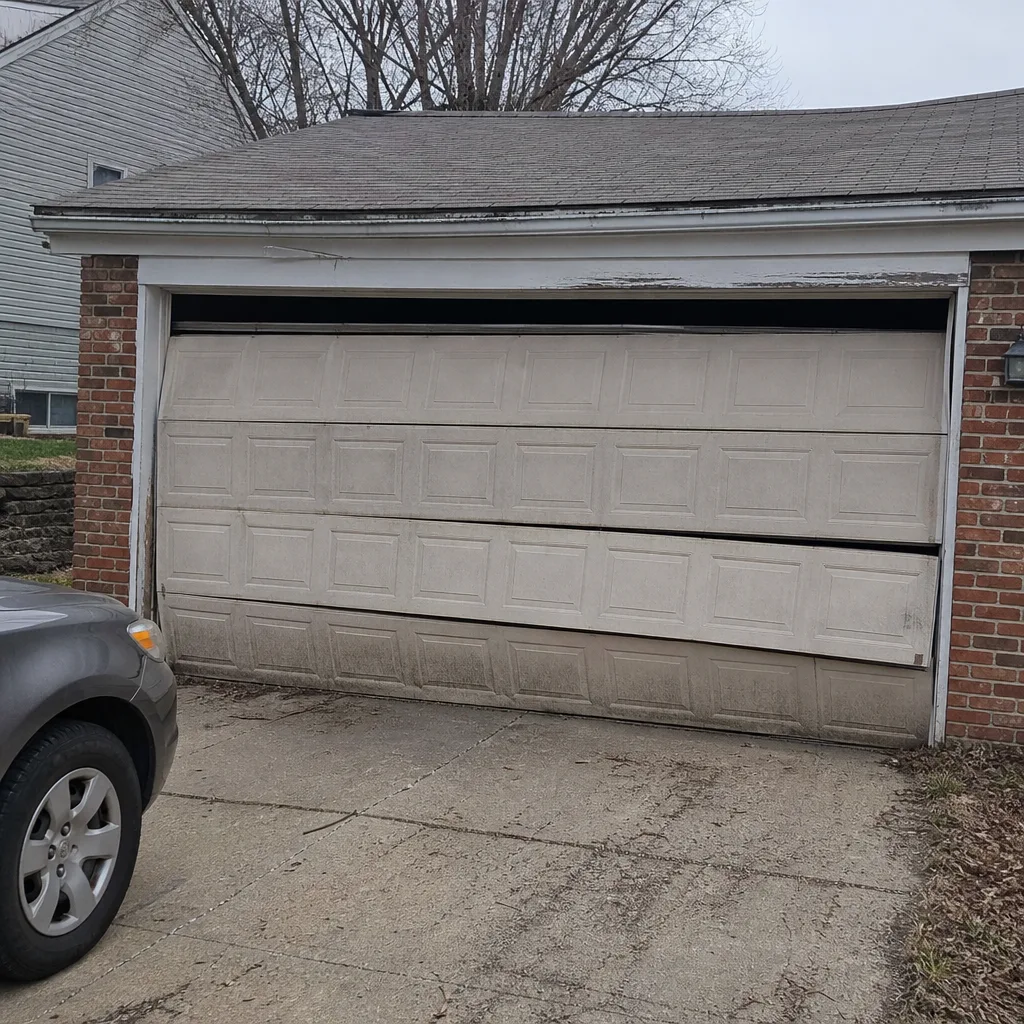 Before
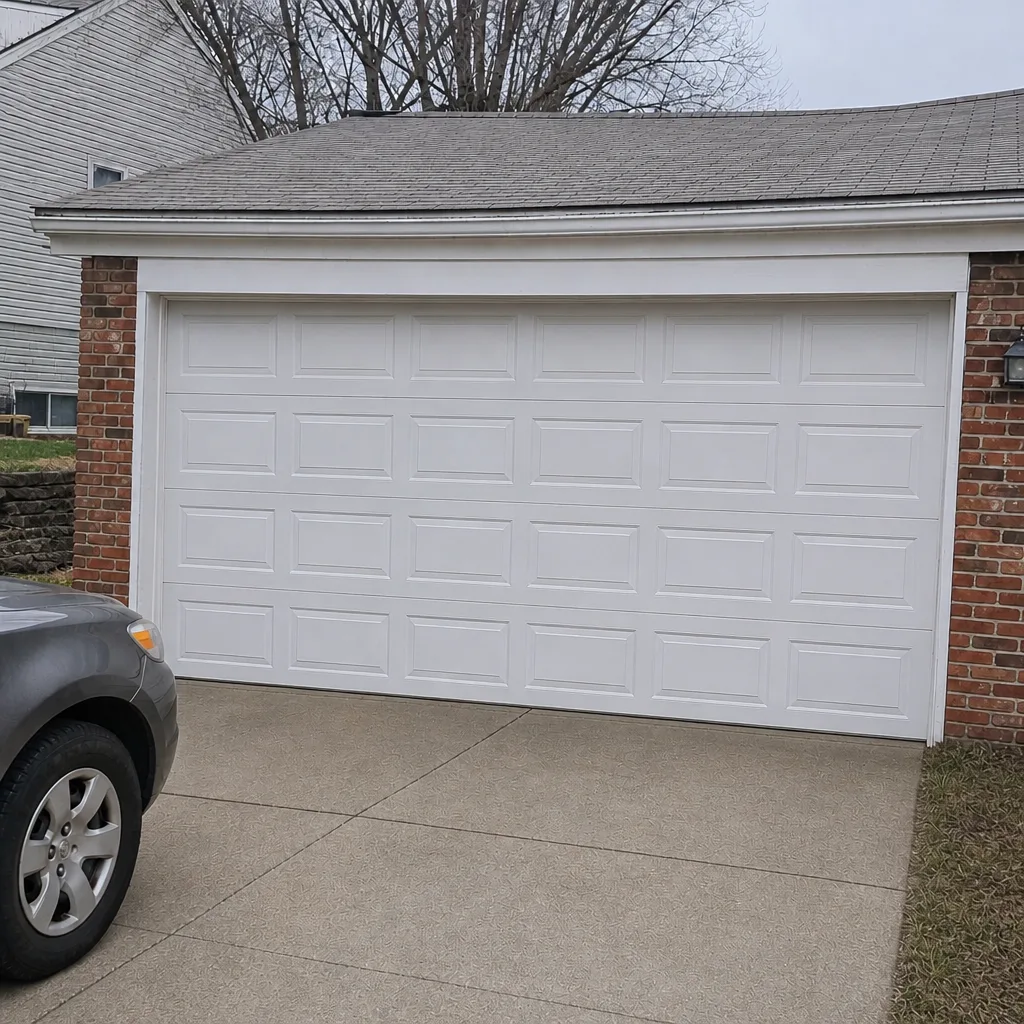 After
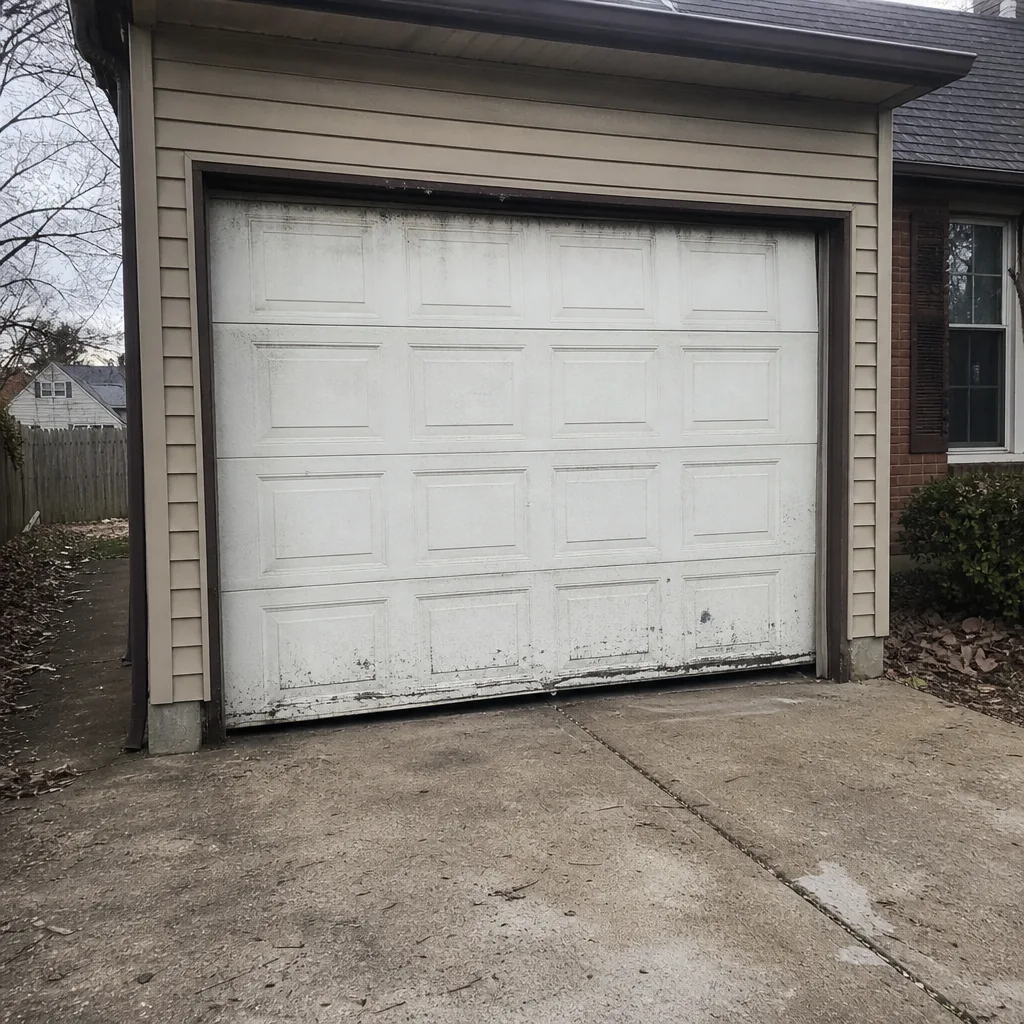 Before
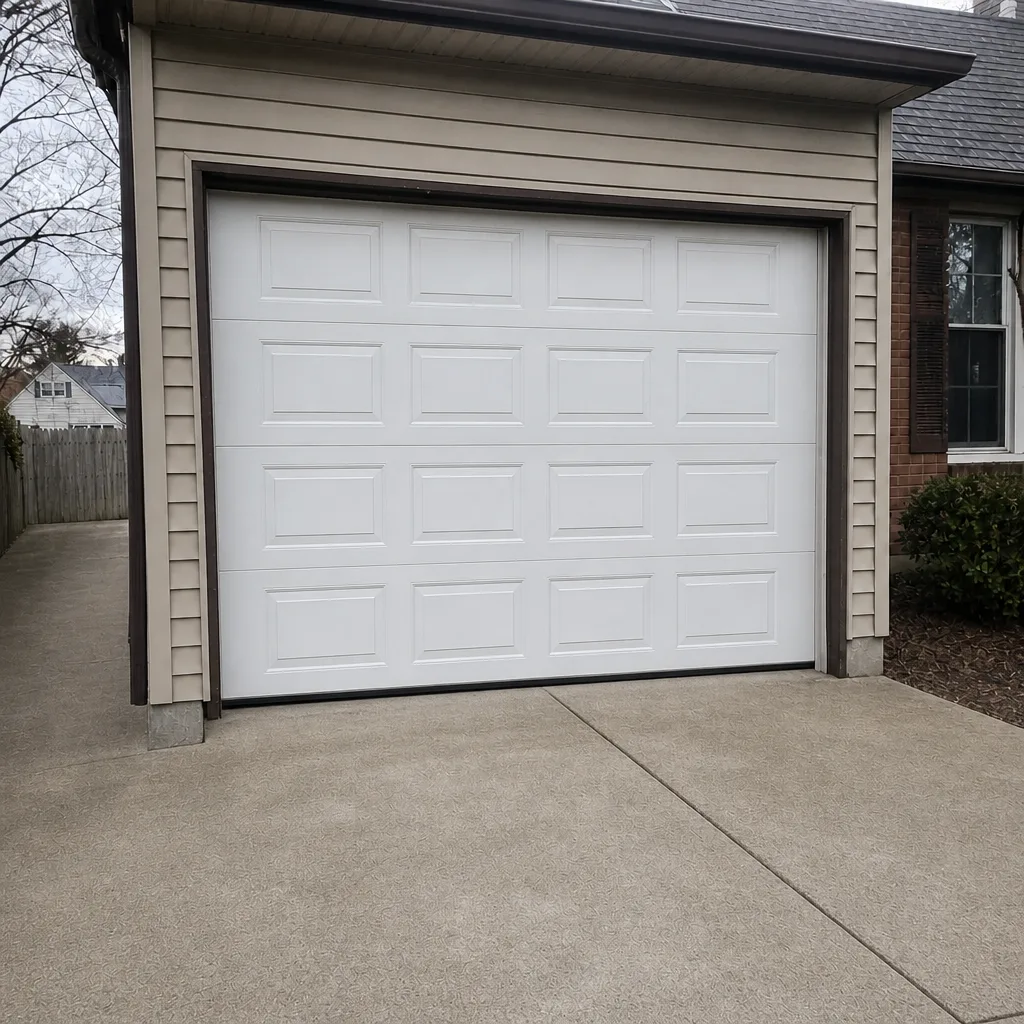 After
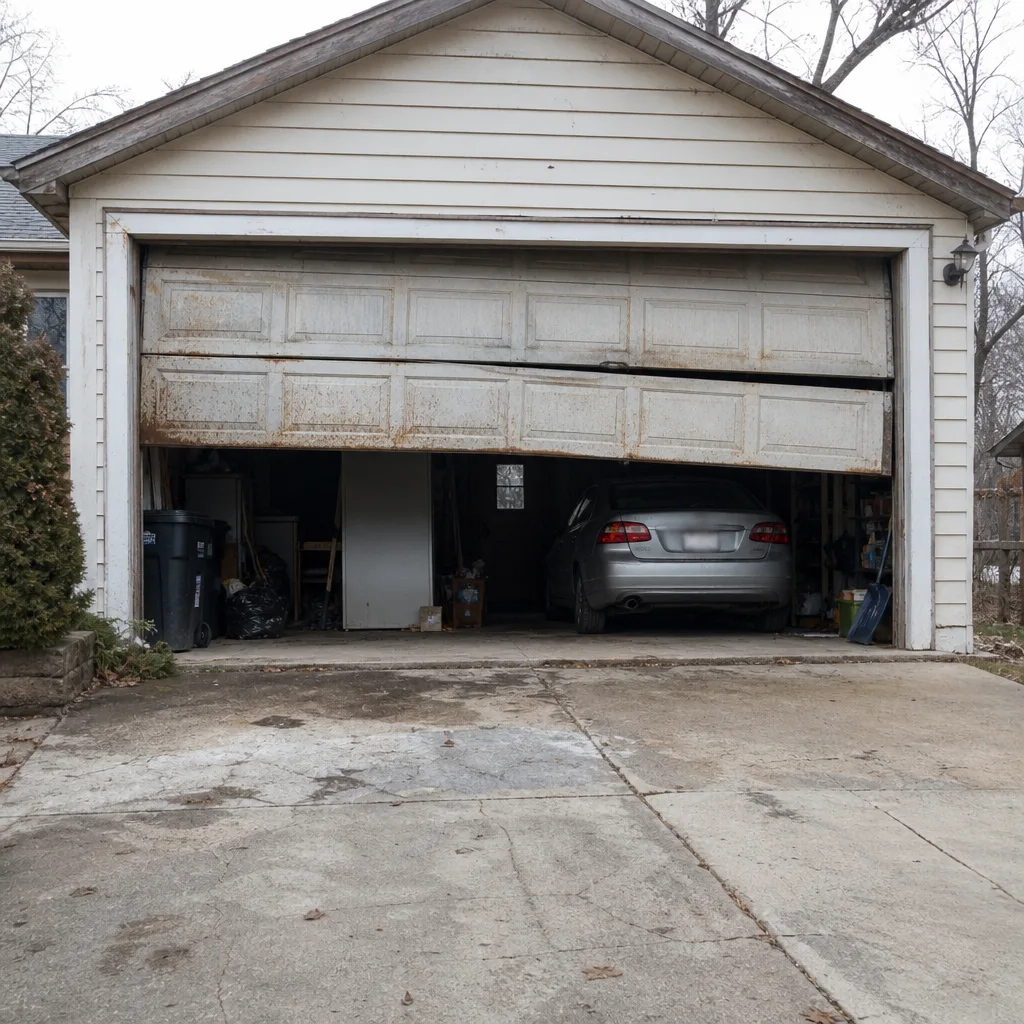 Before
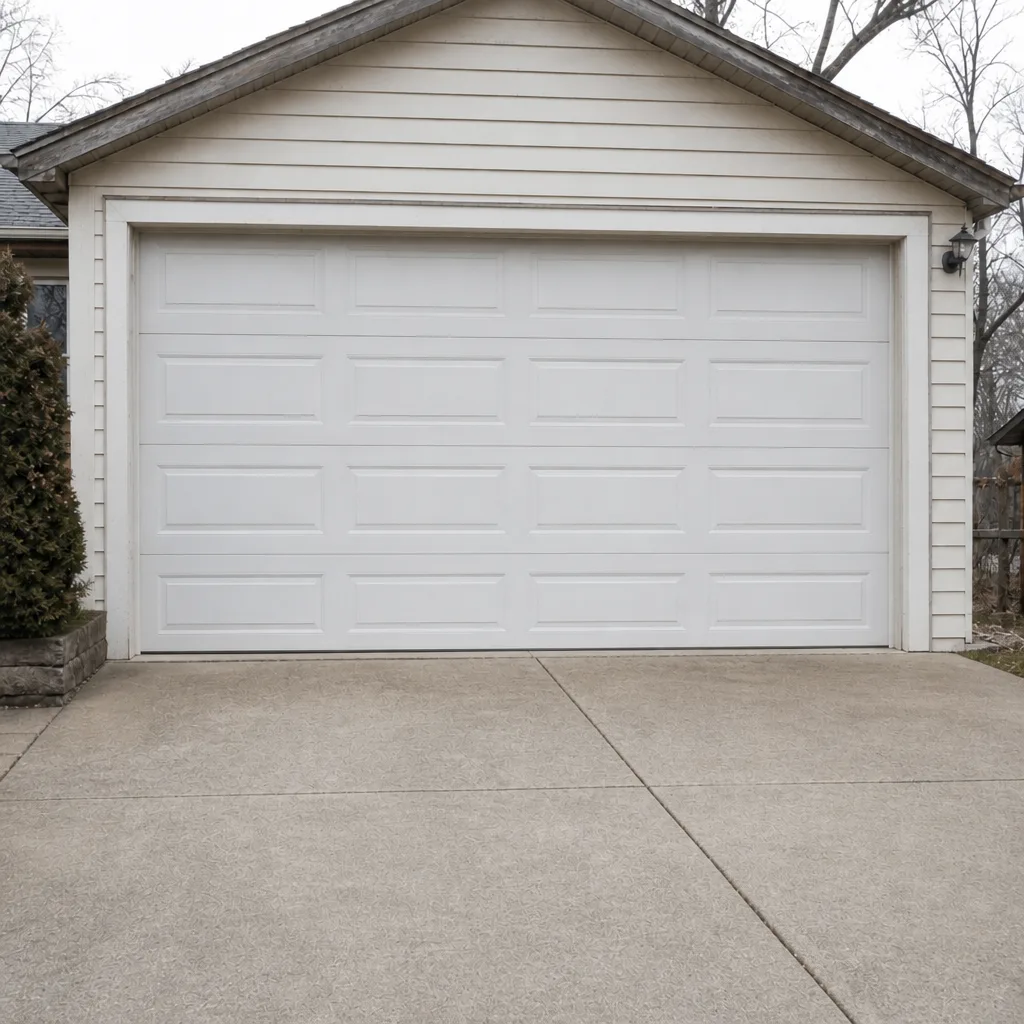 After