Last updated November 22, 2026
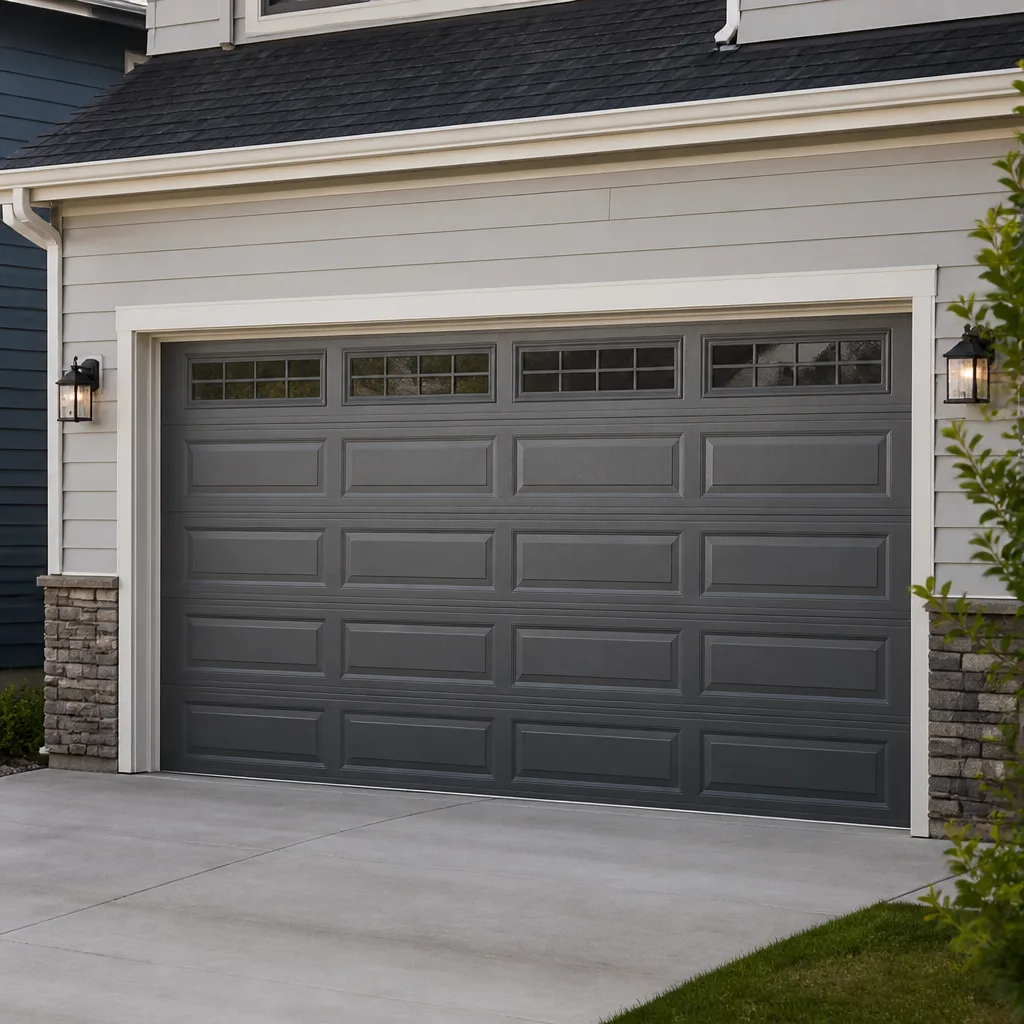 Raised-panel steel
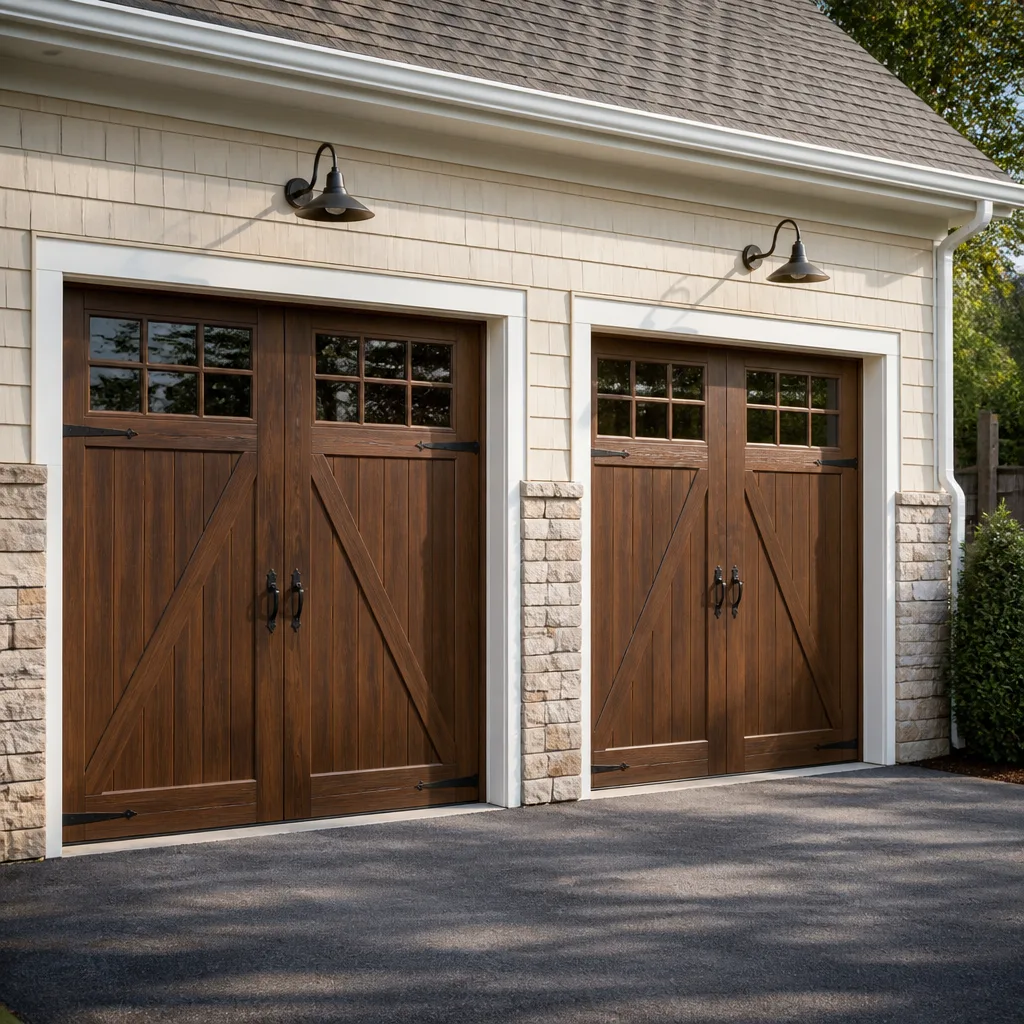 Carriage house
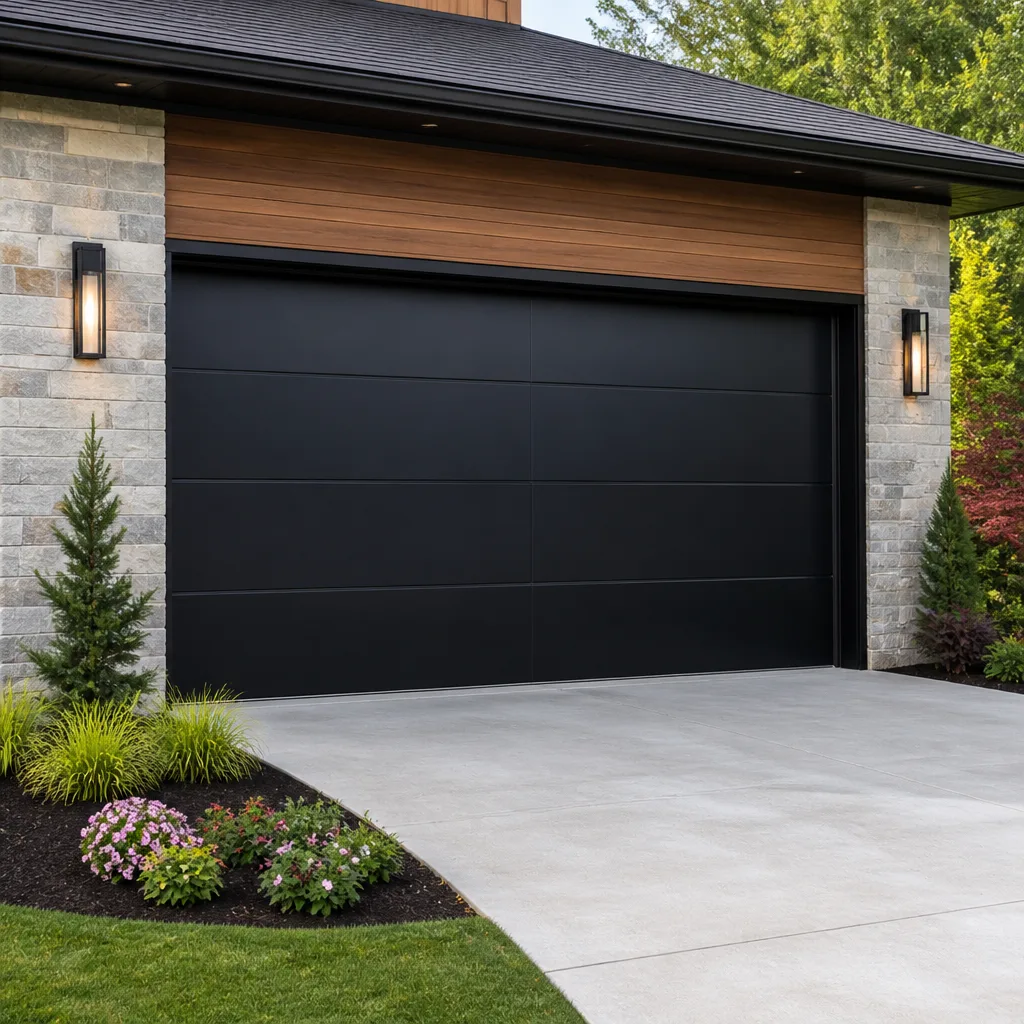 Modern flush
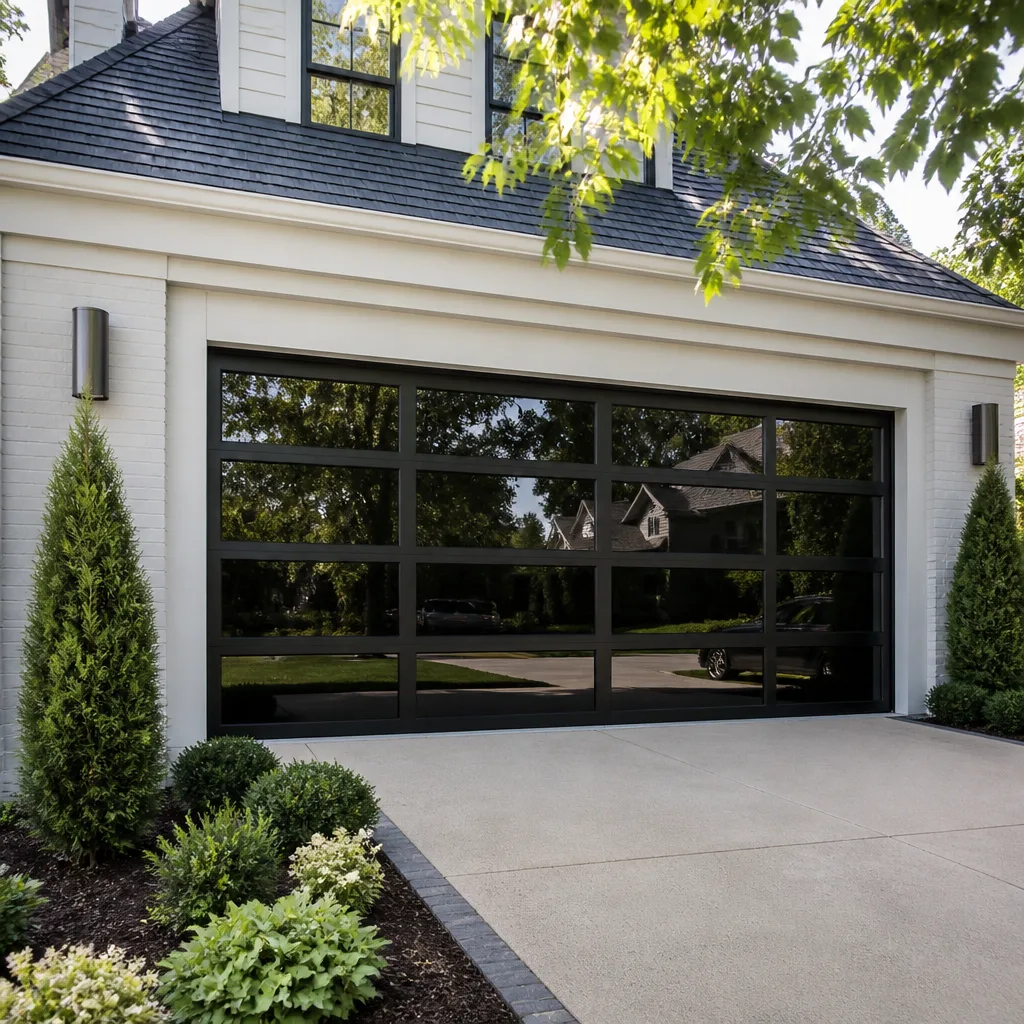 Full-view glass
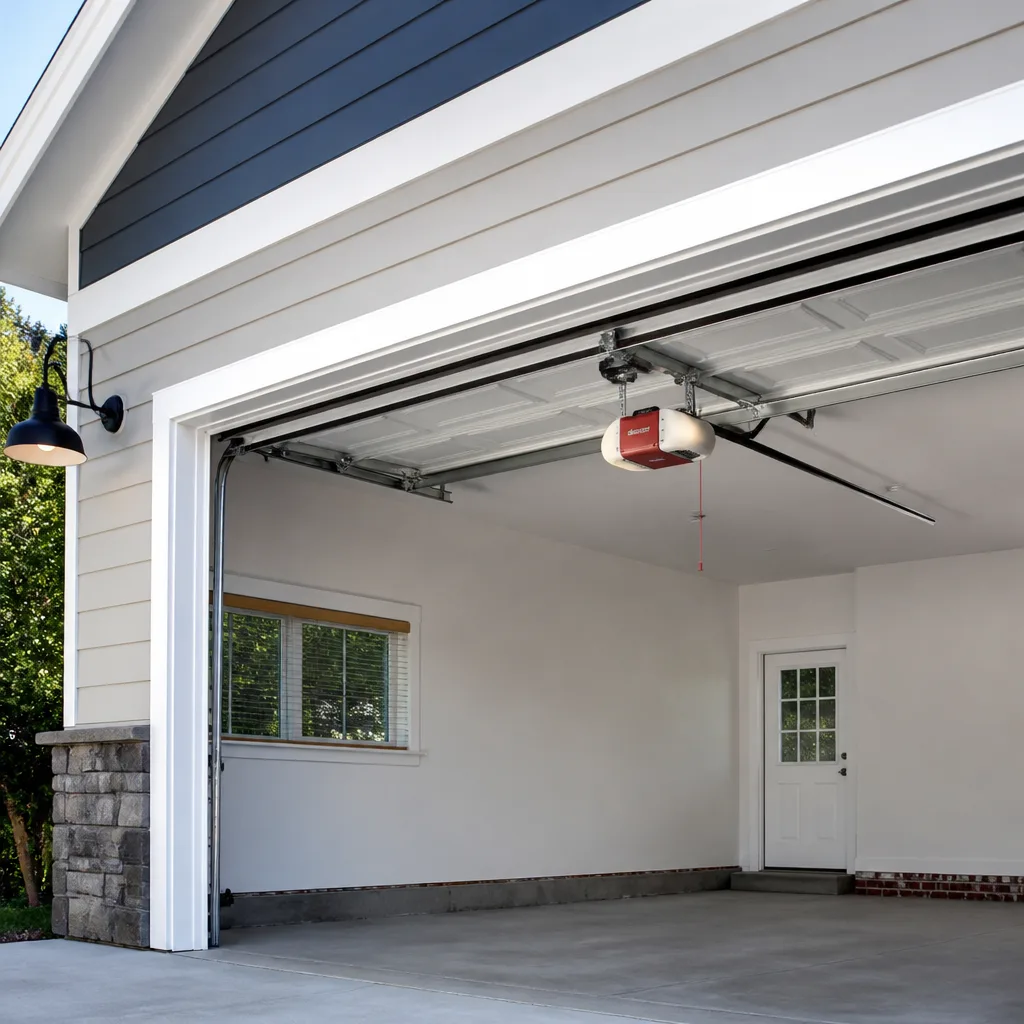 LiftMaster openers
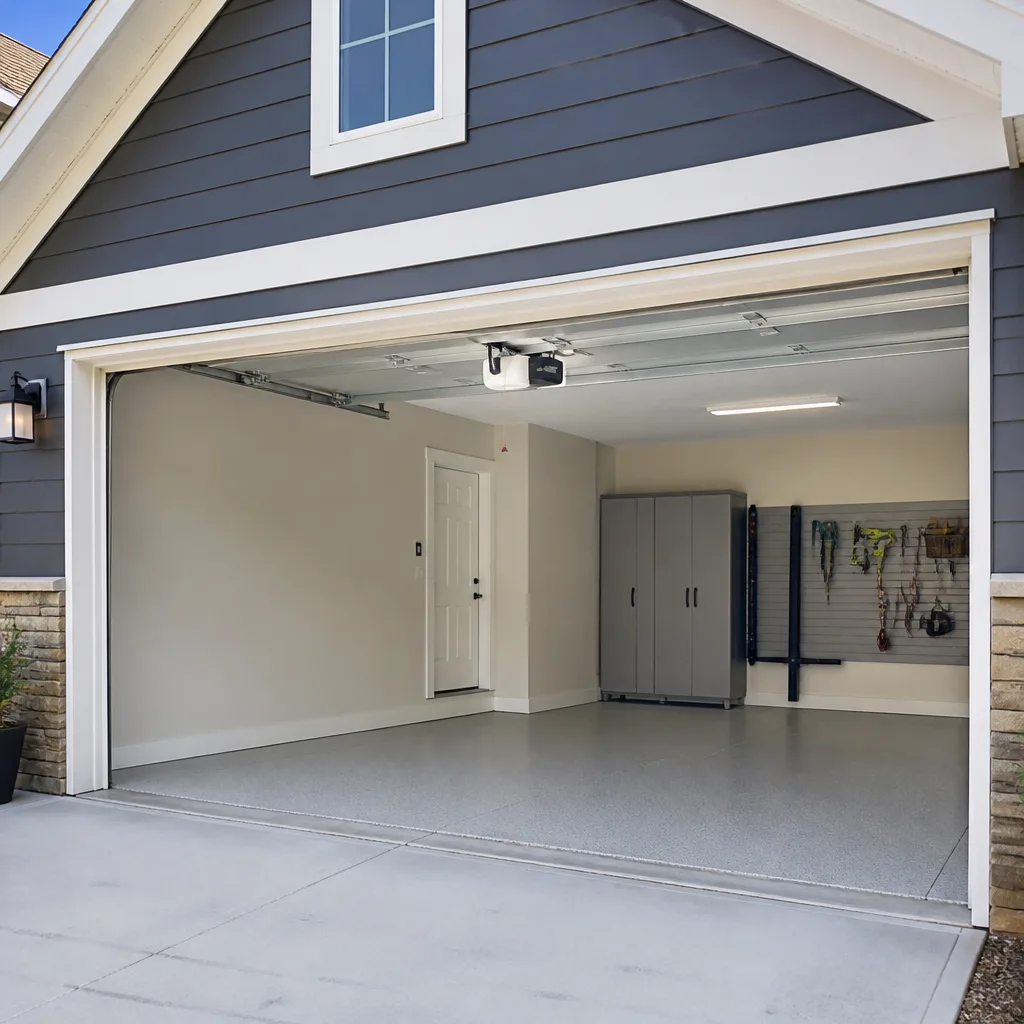 Chamberlain openers
Full 25-point door and opener safety check with every visit - springs, cables, rollers, tracks, and your LiftMaster or Chamberlain opener included
You get a price before we start. It does not change when the pro arrives.
Get your free estimateSeasonal Garage Door Care for St. Charles: Year-Round Homeowner’s Guide
Most garage door advice treats maintenance as a yearly ritual with four equal quarters. In St. Charles, that’s not how the hardware behaves. A torsion spring that opened a door smoothly in October can let go on a 10°F January morning, not because it aged out, but because cold steel loses elasticity and nobody thought to check the tension before the first hard freeze. The problem wasn’t the spring’s age. It was the calendar. This guide walks through what actually happens to springs, cables, seals, tracks and openers across a full Missouri year in St. Charles, season by season, and points out the single task in each quarter that’s most likely to keep you off the phone with us on a Sunday morning.
Quick Answer
Garage door care in St. Charles follows the weather, not a generic checklist. Fall calls for cold-rated lubricant on hinges and rollers plus a bottom seal that still bends; winter calls for watching how your opener behaves in the cold and knowing the difference between a slow motor and a failing one; spring calls for inspecting cables and re-squaring panels after freeze-thaw; summer calls for checking track gaps and roller wear in high humidity. One priority task each season prevents most emergency callouts.
Styles & brands we work with
- Raised-panel steel
- Carriage house
- Modern flush
- Full-view glass
- LiftMaster openers
- Chamberlain openers
Table of Contents
- Why St. Charles Weather Punishes Garage Doors Differently
- Fall Prep: Before the First Hard Freeze
- Winter: When Openers Struggle and Springs Snap
- Spring: The Post-Winter Inspection Sequence
- Summer: Heat, Thermal Expansion and Humidity
- The One Task Each Season (For Homeowners Who Won’t Do a Full List)
- Common Mistakes to Avoid
- When to Call a Professional
Why St. Charles Weather Punishes Garage Doors Differently
A garage door in St. Charles doesn’t live in one climate. It lives in four, and each one pulls and pushes on the same hardware in a different direction. January can drop into single digits. July routinely crosses the mid-90s. In between come the freeze-thaw cycles that move the ground under a slab and shift the frame a door hangs from. West of the Missouri River, in the subdivisions off Highway 94 and along the older streets near historic downtown, that swing between extremes is the real maintenance factor. Not the door’s age. The number of times it’s been asked to operate at both ends of the thermometer.
Metal does what metal does. Steel and aluminum panels expand in heat and contract in cold, and the torsion spring that balances the door’s weight reacts the same way. A spring sized and tensioned for mild weather is working harder in the extreme cold and looser in the extreme heat. Cables routed through the same track assembly pick up whatever the tires track in from the street. When road crews treat the roads, the salt and grit that gets walked into the garage and lands on the cables is the same salt and grit that shortens their life. That’s a St. Charles specific problem, and it’s why spring cable inspection in this region matters more than a national checklist suggests.
The climate also changes how the opener behaves. A chain or belt drive powered by a LiftMaster or Chamberlain unit is designed to move a door that’s already balanced. When cold thickens the factory grease inside a rail or hinge, or when a motor’s thermal protection kicks in after a stretch of heavier cold-weather use, the opener feels the struggle first. Recognizing that early is the difference between a tune-up and a full opener replacement.
One more local factor: humidity. St. Charles summers run muggy, and muggy months wear rollers differently than dry ones. Rollers are moving parts that need lubrication, and when the air is heavy, everything they roll against gets more friction, not less. In our experience, roller replacement requests peak here at the tail end of summer, not the start of winter, and that pattern tells you a lot about what the climate is actually doing.
Fall Prep: Before the First Hard Freeze
Fall is the season that decides whether winter goes smoothly. The goal in this window, roughly October into the first week the overnight lows dip below 20°F, is to get every moving part into cold-weather condition while it’s warm enough to work outside without gloves. Here’s the sequence we recommend for a St. Charles home:
- Lubricate hinges, rollers, and the torsion assembly with a cold-rated garage door grease, not WD-40. Standard light oils and general-purpose sprays get thick and gummy when the thermometer drops. A proper cold-weather grease stays flexible at low temperatures, which is exactly what you want on a 15°F morning.
- Test the bottom seal by hand. Squeeze the rubber strip along the bottom edge of the door. If it feels rigid or cracks instead of flexing, it won’t seal against the concrete when the cold contracts it further. That’s a gap a mouse, a draft, and a snowdrift can all find.
- Check the door balance. Disconnect the opener, lift the door to about halfway, and let go. A well-balanced door holds position. One that drops is one where the spring tension and the door weight are no longer in agreement, and cold weather will make that mismatch worse.
- Look at the weatherstripping around the frame. The rubber trim on the sides and top of the opening takes the same abuse as the bottom seal, and it’s easier to replace now than after a January cold snap.
- Clear the tracks of debris and check the fasteners. A leaf or a chunk of grit in a track is a nuisance in October and a jammed door in January. Give the lag bolts and hinge screws a quick tightening pass while you’re up there.
The one fall task most worth doing if you only do one: get the lubricant right. Cold-rated grease on hinges and rollers is a twenty-minute job that prevents most of the stiff, grinding, sluggish operation that homeowners blame on the opener come December. If your door was last serviced in warm weather with a general-purpose spray, it’s worth redoing in the fall with something built for the cold. Our technicians have up to 14 years of experience working this transition, and the difference between the right grease and the wrong one in St. Charles is the difference between a quiet winter and a noisy one.
Winter: When Openers Struggle and Springs Snap
When a garage door slows down in the cold, it’s usually the opener reacting to extra load, not the motor failing. That distinction matters, because replacing a perfectly good opener is an expensive way to solve a lubrication problem. Here’s how to tell what’s actually happening:
- A slow, straining door that still reaches the top of its travel is usually fighting mechanical drag: thickened grease, a cold-stiffened bottom seal dragging on the floor, or a door that’s fallen slightly out of balance. The opener is doing its job. The door is the problem.
- A door that stops partway up and refuses to move can be the motor’s thermal protection kicking in. Most modern openers have a built-in thermal cutoff that trips when the motor gets hot from a run of heavy work. Let it cool and try again. If it does it every time, the motor or the control board is failing.
- A door that reverses immediately on contact, or won’t close at all is usually the safety sensors or the door’s force limits, not the weather. Clean the sensor lenses and make sure nothing’s blocking them before assuming the worst.
- A loud crack from the overhead torsion bar, then a door that won’t lift by hand is the spring or a cable. That’s the one you don’t troubleshoot further. Stop, and call.
The spring angle is the winter issue that catches people off guard. Cold steel loses elasticity. A torsion spring that carried the door’s weight comfortably in October is now a stiffer, less forgiving piece of metal, and the tension is no longer matched to the conditions. A snap in that situation isn’t a random failure. It’s a tension problem the first hard freeze exposed. That’s the entire reason we recommend a fall balance check, and it’s why garage door spring repair is one of the calls we take most often in St. Charles come January. Springs and their cables are under extreme tension and are not a DIY job. Coil or cable that lets go can cause serious injury. A trained technician with proper winding bars and the correct procedure is the only safe way to handle them.
If your opener is struggling, give us a call and we’ll help you sort out whether it’s the motor, the door, or the cold. We work on LiftMaster and Chamberlain systems every day, so there’s no learning curve on your dime.
Spring: The Post-Winter Inspection Sequence
Spring arrives in St. Charles with a useful side effect: you can finally see what winter did. This is the season to look at the door with fresh eyes and undo the wear the cold months produced. Work through this sequence in order:
- Inspect both cables end to end. Run a hand along each cable and look for fraying, kinks, or a fuzzy, rusty texture. The road salt that gets tracked into a St. Charles garage in winter is the main culprit here. Cable corrosion is a slow process that becomes a sudden failure, and it’s the reason we check cables before anything else in the spring.
- Check the panels for square. Freeze-thaw cycles move the ground under a slab, and a door frame that shifted a fraction of an inch over winter will leave panels slightly out of alignment. Stand in front of the closed door and look at the gaps. Uneven gaps on one side are your clue.
- Re-level the door if it’s leaning in its tracks. A door that’s out of square will bind, scrape, and put strain on the opener all summer. If it’s binding, this usually requires an adjustment at the hinges or tracks, and it’s the point where the job stops being a visual inspection.
- Test the auto-reverse and the safety sensors. Both should be checked at least once a year. Place a block of wood or a roll of paper towels on the ground under the door and confirm the door reverses on contact. Then break the sensor beam with a hand and confirm the door won’t close.
- Re-lubricate with a warmer-weather lubricant. The cold-weather grease you applied in fall has done its job. In spring, a standard garage door grease is fine, and it’s a good time to re-lube hinges and rollers after a winter of heavier use.
- Inspect the bottom seal again. Winter cold and ice can leave it wrinkled, cracked, or detached. If it doesn’t sit flush against the concrete, replace it.
The spring task that prevents the most summer headaches if you only do one: the cable inspection. Road salt tracked into a garage is the single biggest environmental threat to a St. Charles cable, and a frayed cable is what makes a door jump its track or drop a panel at speed. That’s a safety issue, not a maintenance inconvenience.
Summer: Heat, Thermal Expansion and Humidity
Summer is the quiet season for garage doors, right up until it isn’t. Heat expands steel and aluminum panels, and in a St. Charles July that expansion changes the gap between the door and the tracks. A door that fit perfectly in April can start rubbing, popping, or sounding different by mid-July. If you hear a new rattle on every open, this is usually why.
The second summer issue is roller wear. High humidity adds resistance inside the tracks, and a roller that’s already slightly worn will start to drag. When a roller’s bearing fails, you get a grinding or squealing sound that gets worse through the summer, not better. Rollers are also one of the fastest jobs to fix once identified. Replacing a set of worn rollers is much cheaper than waiting for one to seize and force the door out of alignment.
Here’s what to do in summer:
- Check track gaps. The door should have a small, consistent amount of play between the rollers and the tracks. If one side is tight and the other is loose, the tracks need adjustment, and that’s a job for someone with the right tools. Tracks are load-bearing and easy to knock out of true.
- Listen for new noises. Grinding, squealing, or popping points to rollers, hinges, or the torsion assembly. Noises that appear in June are usually temperature-related. Noises that appear in mid-July after weeks of heat are usually wear.
- Lubricate for humidity. A light application of a garage-door-specific lubricant on hinges and rollers during the muggy stretch keeps humidity from turning into friction. Skip the heavy grease in summer. You want something that stays put but doesn’t attract grime.
- Keep the garage ventilated if you can. A hot, closed garage is hard on paint and on the seals. A cracked window or a small vent fan helps, especially if the garage is attached and connected to a conditioned space.
The summer task worth prioritizing: get ahead of roller wear. If you hear a new noise on every open, check the rollers before the noise becomes a broken track. If the door struggles in July, it’s worth taking a look at the whole garage door repair picture rather than treating it as a single part.
The One Task Each Season (For Homeowners Who Won’t Do a Full List)
We get it. Not everyone is going to run through a full checklist four times a year. Here’s the abbreviated version, one task per season, ranked by how likely it is to prevent an emergency call:
- Fall: lubricate everything with cold-rated grease. This single task prevents the slower, stiffer, straining operation that leads to spring and opener failures in winter. Twenty minutes in October beats a January callout.
- Winter: do a balance and behavior check. Disconnect, lift the door halfway, let go. If it doesn’t hold, or if the door suddenly starts behaving differently in the cold, call us. A quick check now is a stress test, and it’s the whole reason a frozen morning doesn’t have to become a broken door.
- Spring: run a hand over both cables. Fraying, kinks, rust. That’s the one thing that most often gets a door from a working state to a dangerous one, and it’s the one thing you can feel with your hand in about a minute.
- Summer: listen. New noises are information. A grinding roller or a rubbing panel caught early is a cheap fix. Caught late, it’s a track replacement or an opener.
Small efforts here are not a substitute for professional service, but they’re the difference between a door that tells you something is wrong and a door that surprises you. And they’re specific to St. Charles’s yearly swing in a way that a generic national checklist just isn’t. Local conditions change what matters most each season, and it doesn’t fall out in neat, equal quarters.
Common Mistakes to Avoid
- Lubricating with whatever’s in the garage. WD-40 is a solvent and light oil, not a garage-door lubricant. It thins existing grease and evaporates, which is why a door treated with it gets louder, not quieter. Use a door-specific grease, and change to a cold-rated version before the first freeze.
- Trying to adjust the torsion spring yourself. This is the most important line in this guide. Torsion springs and their cables are under extreme tension and can cause severe injury if they release while you’re working on them. The hardware that handles this safely is not something you own. Adjusting tension is a trained technician’s job, full stop.
- Ignoring a door that’s out of balance. A balance issue in October becomes a spring failure in February. The load keeps shifting, and eventually the component carrying that load lets go. Have any balance problem looked at before cold weather, not after.
- Skipping the bottom seal check before freeze season. A hardened seal won’t seal. In St. Charles, winter drafts and driven snow find their way under a door with a bad seal, and the resulting cold air and moisture work on the whole garage. Test the seal while it’s warm enough to replace it comfortably.
- Assuming opener problems are always the opener. A slow, struggling opener in cold weather is usually a door-and-lubrication problem. Replacing the opener without fixing the underlying drag just shortens the life of the new motor. Diagnose the door first, and let the garage door opener repair decision follow from that.
- Waiting for the noise to get really bad. All breaking noises are loud, and a roller that grinds for a season is a roller that’s failed by fall. The cheap version of a roller job is now. The expensive version is after a seized roller has pushed the door out of true.
- Assuming the door is fine just because it opens. A door can be working and still be near failure. A quiet open and close doesn’t mean the spring isn’t losing tension, the cables aren’t corroding, or the rollers aren’t wearing. Balance checks and cable inspections catch what the button doesn’t.
When to Call a Professional
Most of this guide is about prevention, and prevention works until it doesn’t. Call us if any of these apply. The door is off its tracks, leaning, or visibly out of square. You hear a loud snap or crack from the overhead mechanism. The door won’t lift by hand. A cable is frayed, kinked, or visibly rusted. The opener runs but the door doesn’t move, or runs and immediately reverses. The door is heavier to lift than it used to be. Any of those is a safety matter, and we’d rather hear from you on a Sunday than read about it later. St. Charles Garage Door Repair Pros handles emergency calls when a door fails at the worst time, and our free estimates mean the price is settled before anyone touches your door. We’re a garage door specialist, not a generalist, and that focus is why we can diagnose quickly. We work on systems from LiftMaster, Chamberlain, Craftsman and Raynor, so nothing gets a blank stare. Call (877) 685-1815 and we’ll figure out the next step together.
See the difference
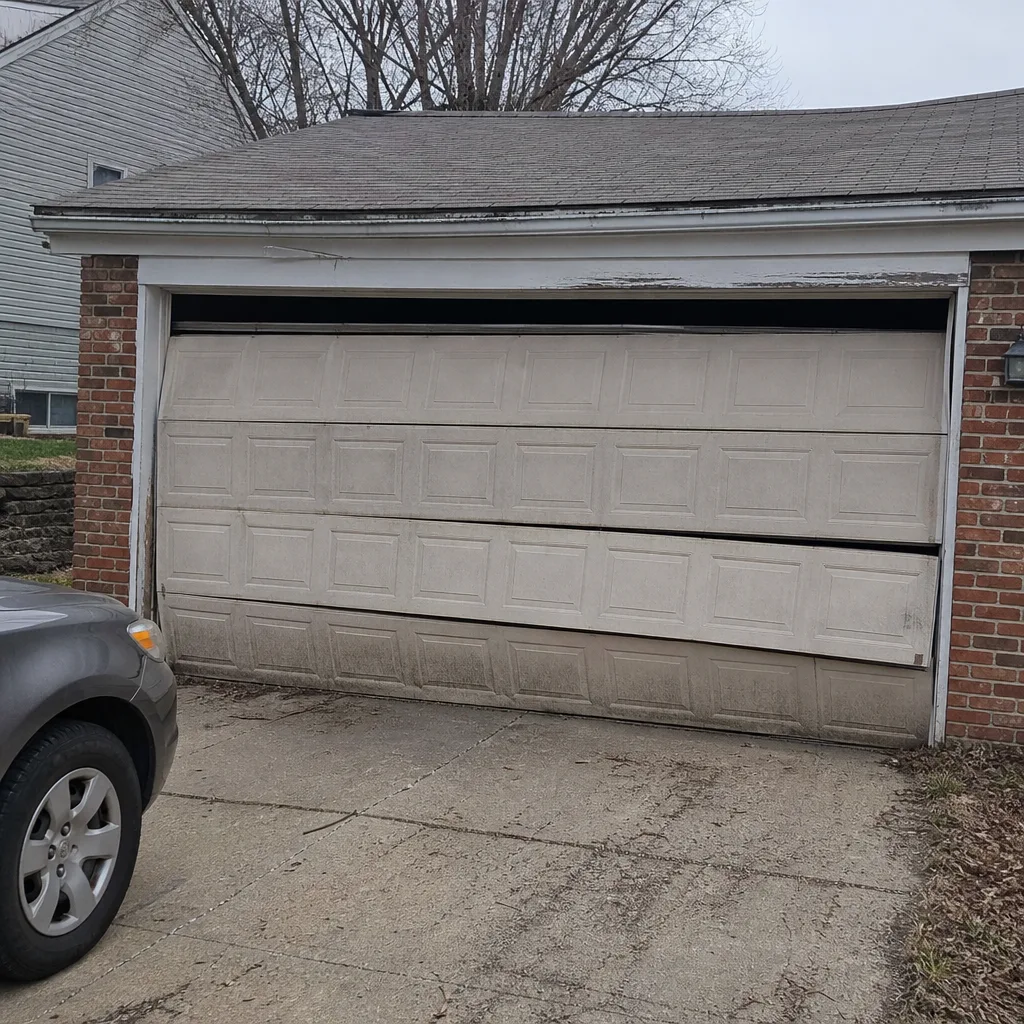 Before
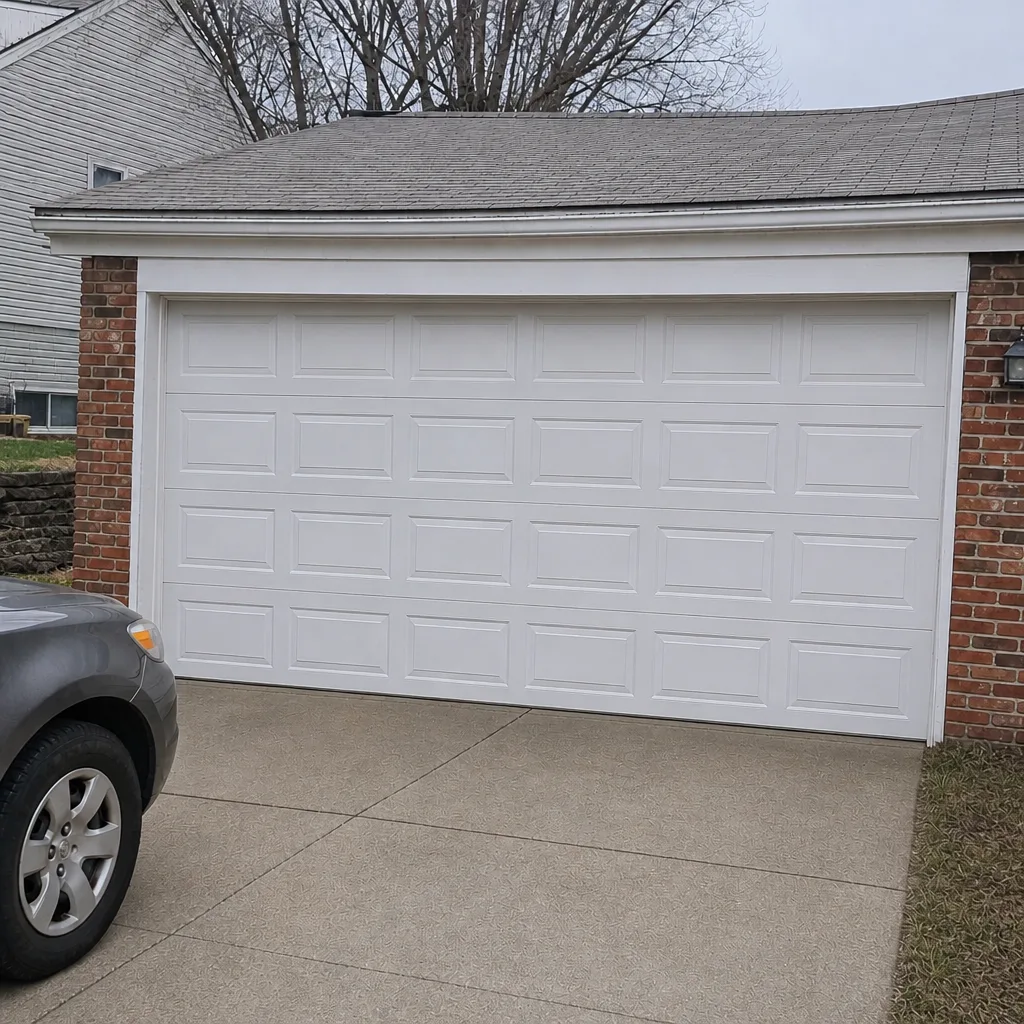 After
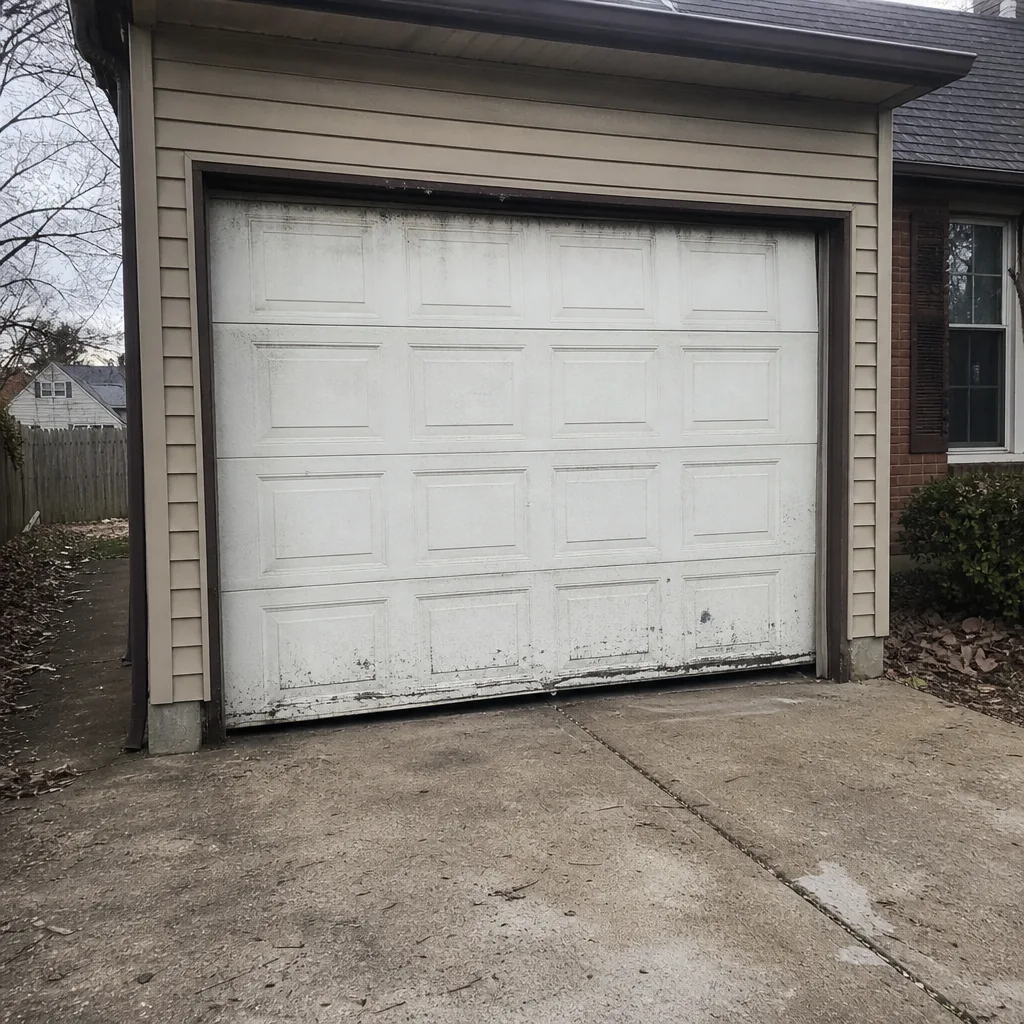 Before
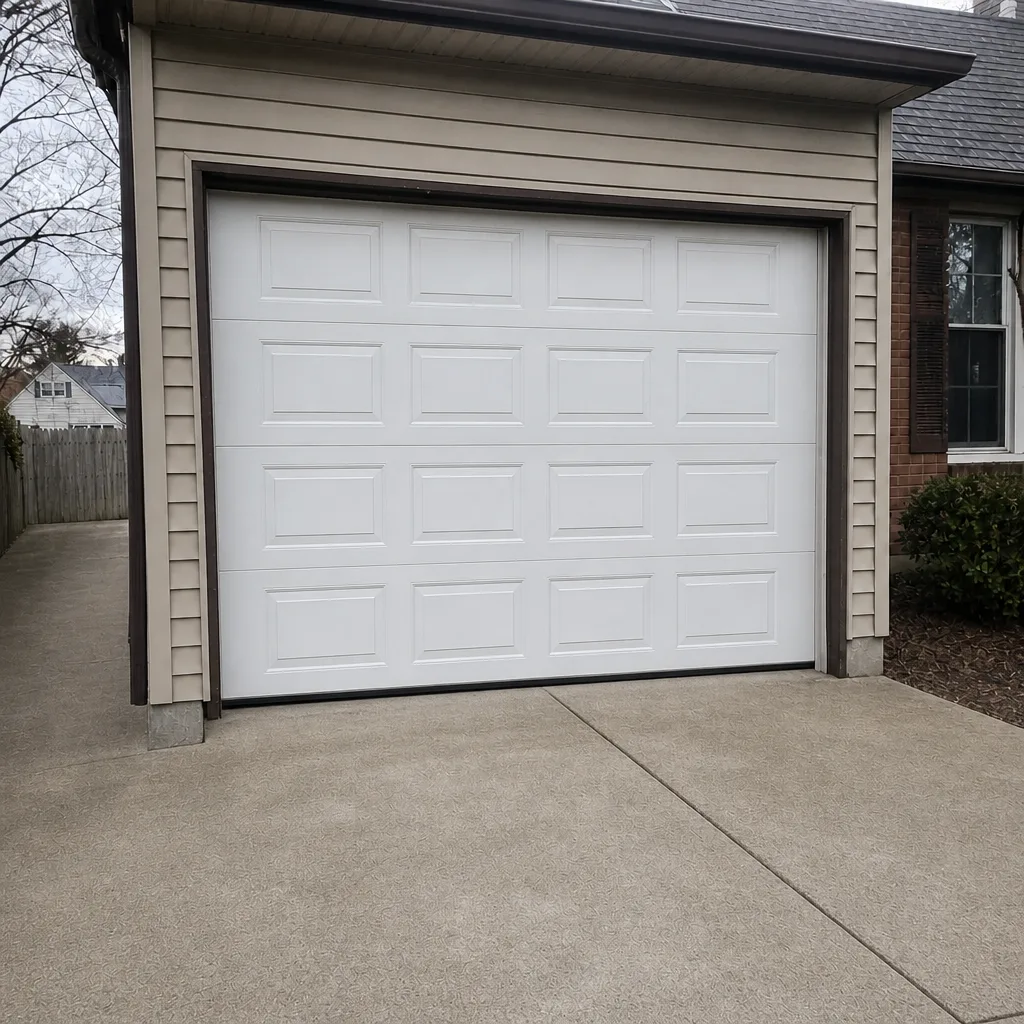 After
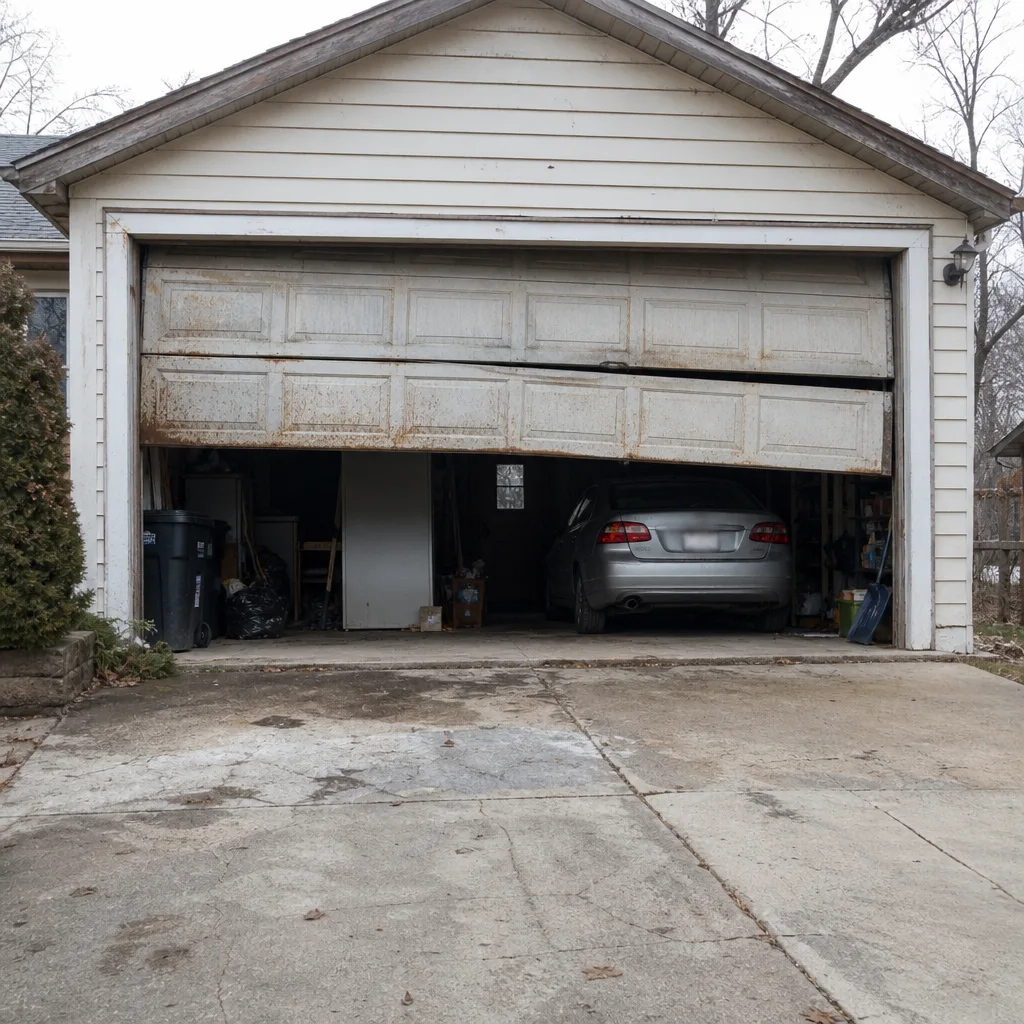 Before
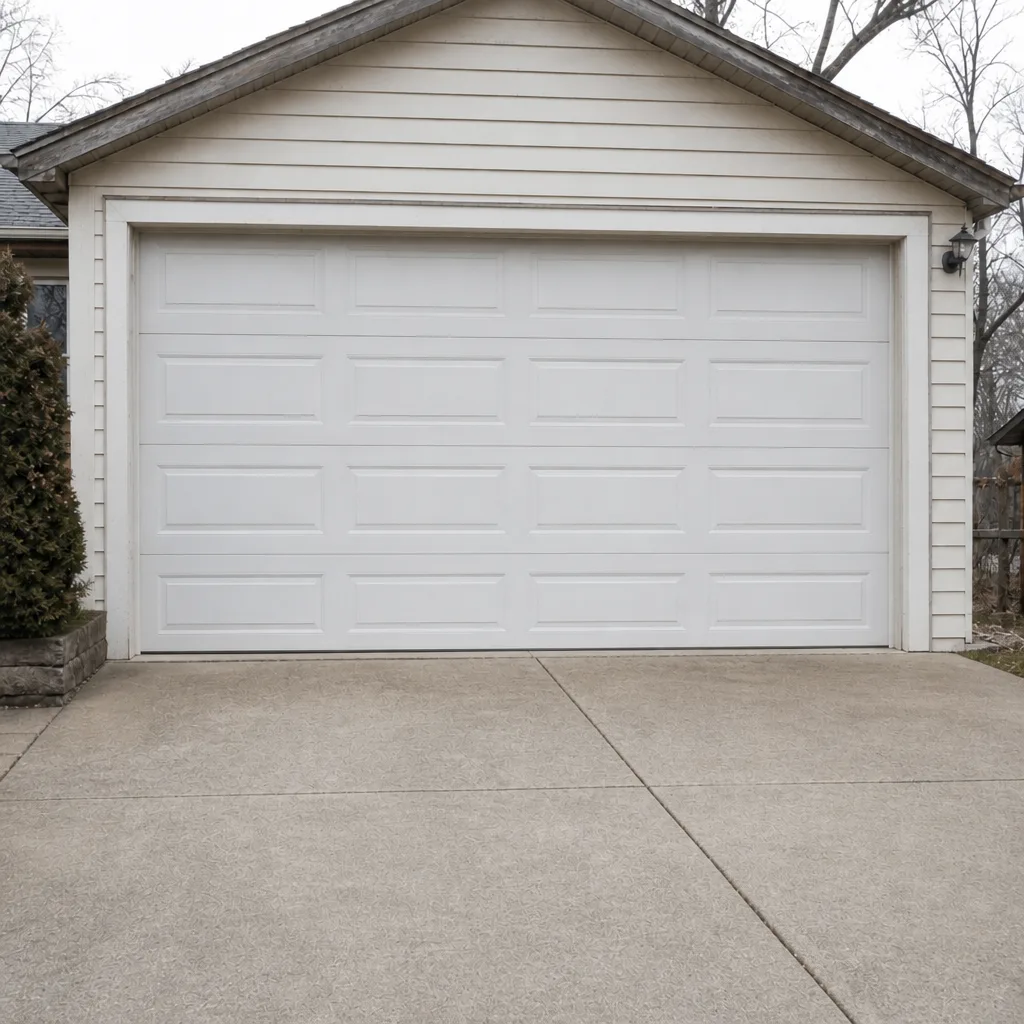 After
Frequently Asked Questions
Once a year, ideally in the fall before the first hard freeze, is enough for most doors. The St. Charles climate puts hardware through four distinct seasons, and fall is the one point in the year where you’re both in a good position to work on the door and close to the season that does the most damage. If your door gets heavy use, or if it’s older, a second check in spring is worth the time. Call (877) 685-1815 for a free estimate on a service visit.
Cold thickens lubricants, stiffens the rubber bottom seal, and tightens every metal-to-metal contact in the door. So the door becomes harder to move and the opener works harder. It’s usually a lubrication and seal problem, not an opener failure. If the motor cuts out after a stretch of running, its thermal protection is likely tripping and letting it cool down. A balance check and a re-lube with cold-rated grease fixes most of it. If it doesn’t, call us and we’ll sort out what’s actually happening.
No. Torsion springs are under extreme tension and the hardware that handles them safely is not common household equipment. A spring or cable that releases suddenly can cause severe injury. This is one of the few garage door jobs where the answer is a flat no. Call a trained technician: we handle spring repair with the right tools and safety procedures, and the job is usually quick. Our garage door spring repair work is one of the calls we know best, and we’ll give you a free estimate on the spot.
Yes, over time. Road salt that gets tracked into a St. Charles garage lands on cables and lower track hardware, and corroded cables lose strength and can fray. A frayed cable is what makes a door drop or jump its track. Check your cables by hand every spring, and call us if you find any rust, kinks, or fraying. It’s a small inspection that prevents a serious problem.
Yes, though the care is mostly about the door, not the unit itself. In winter, cold thickens the lube and stiffens the seal, so the opener works against a heavy door. In summer, the high humidity adds resistance at the rollers and the heat expands the panels against the tracks. In both seasons, a lighter, more frequent re-lubrication is the right move. If the opener itself is the one thing behaving strangely, that’s a call we can help diagnose.
Disconnect the opener from the door, lift the door to about halfway, and let go. A balanced door holds position on its own. A door that drops is out of balance, and that’s the condition that leads to spring failures and premature opener wear. If yours drops, don’t adjust the spring yourself. Call (877) 685-1815 and let a technician sort it out. Balance problems are among the easiest things to fix early and the most expensive to fix late.
The Bottom Line
Garage door care in St. Charles works when you follow the climate instead of a generic calendar. Fall is about cold-rated grease and a bottom seal that still bends. Winter is about watching the opener and knowing the difference between a cold, slow motor and a real failure. Spring is the cable-and-balance inspection that catches winter’s damage. Summer is heat and humidity, which means track gaps and roller wear. If you do only one thing per season, do the one this guide ranks highest, and you’ll avoid most of the emergency calls we take. When it’s not a small job, it’s a call to us. Our technicians have up to 14 years of experience, we work on eight major brands, and we’ve built our business on garage doors alone. Read more at St. Charles Garage Door Repair Pros.
Call Us for a Free Estimate
If you’d rather not run the checklist yourself, or if your door is already making a noise you don’t like, call St. Charles Garage Door Repair Pros at (877) 685-1815. We offer free estimates, we explain the picture before you commit, and we quote the price before any work starts. Whether it’s a seasonal tune-up, a broken spring in January, or a slow opener in July, one call covers it.
Written by the team at St. Charles Garage Door Repair Pros.