Last updated November 22, 2026
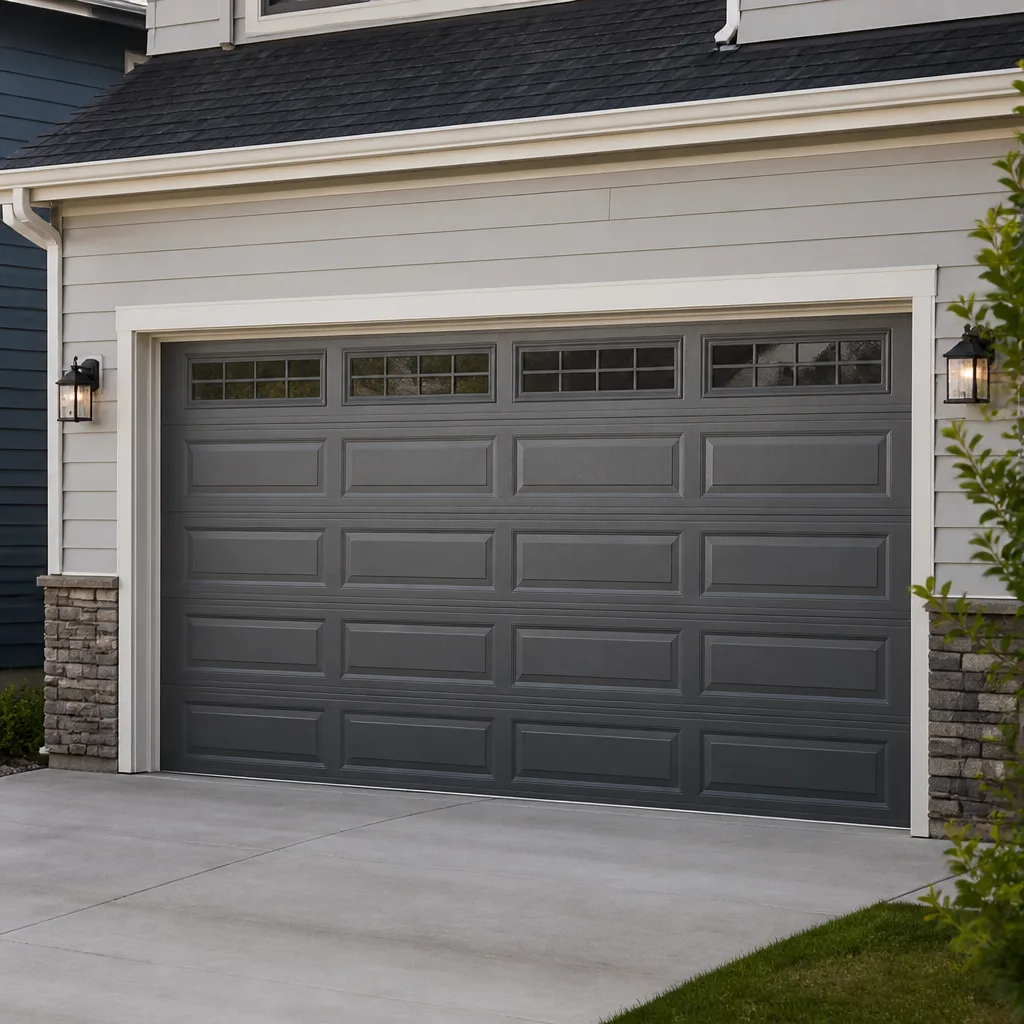 Raised-panel steel
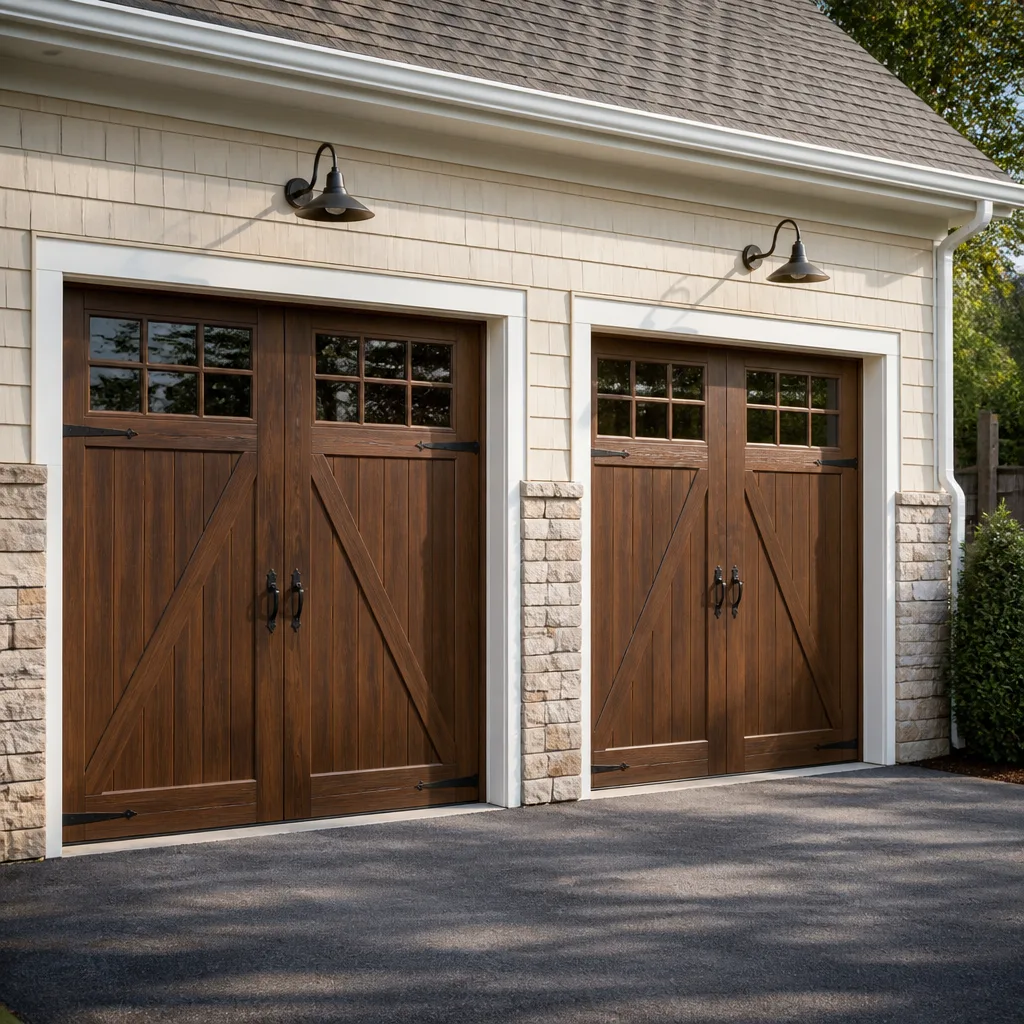 Carriage house
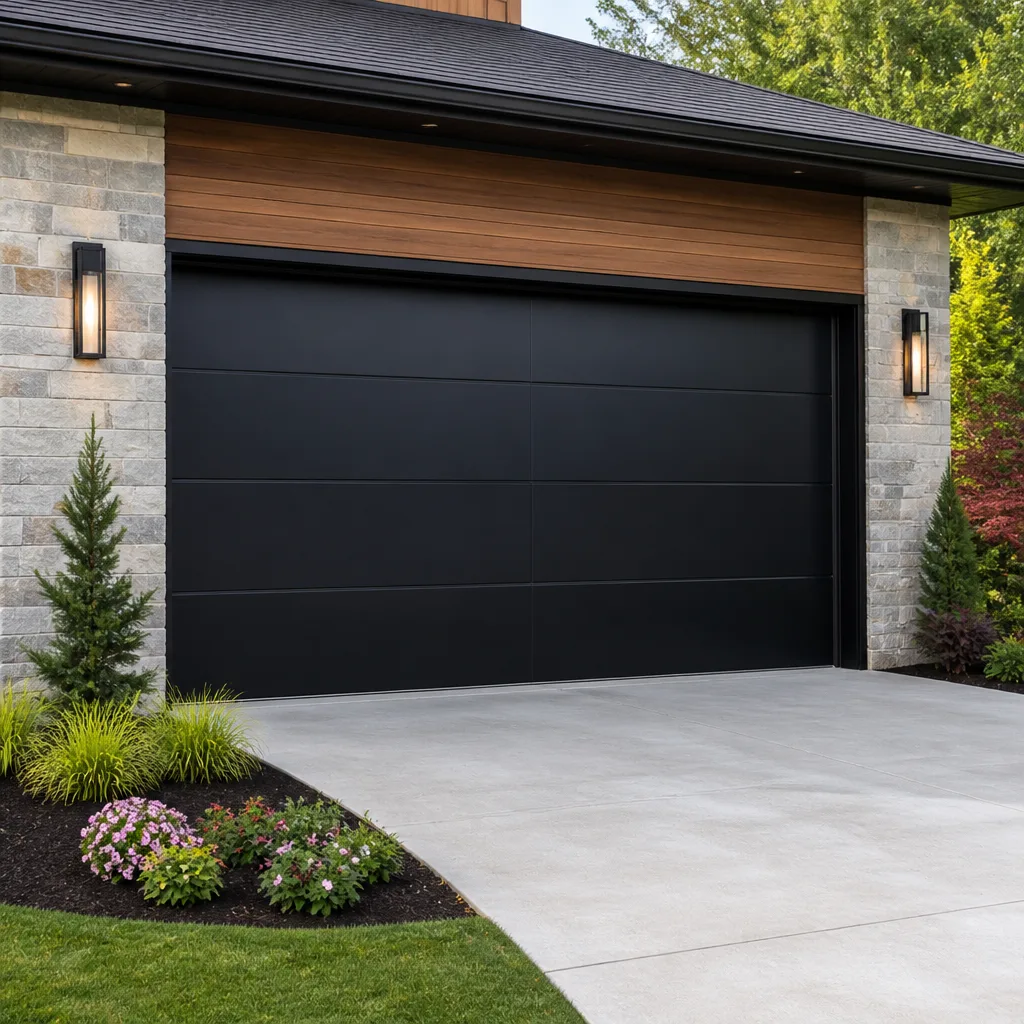 Modern flush
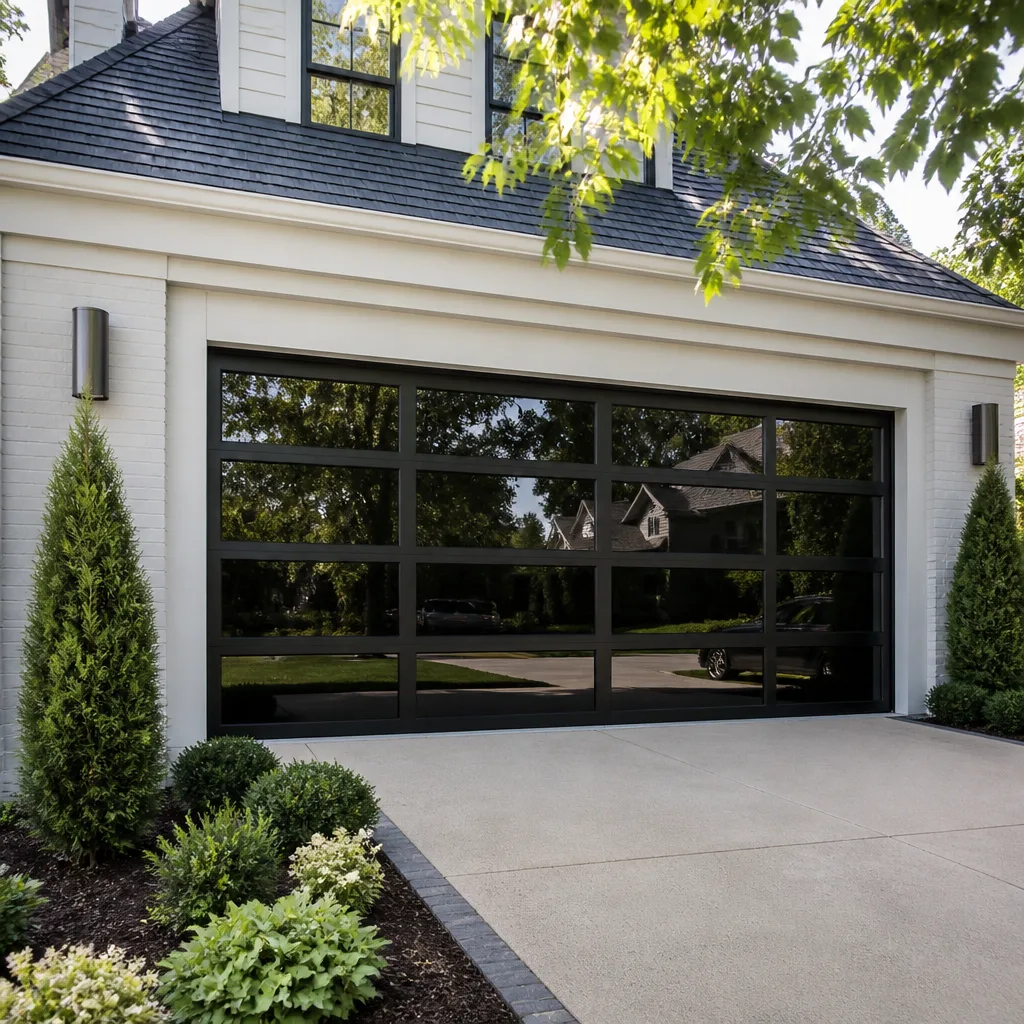 Full-view glass
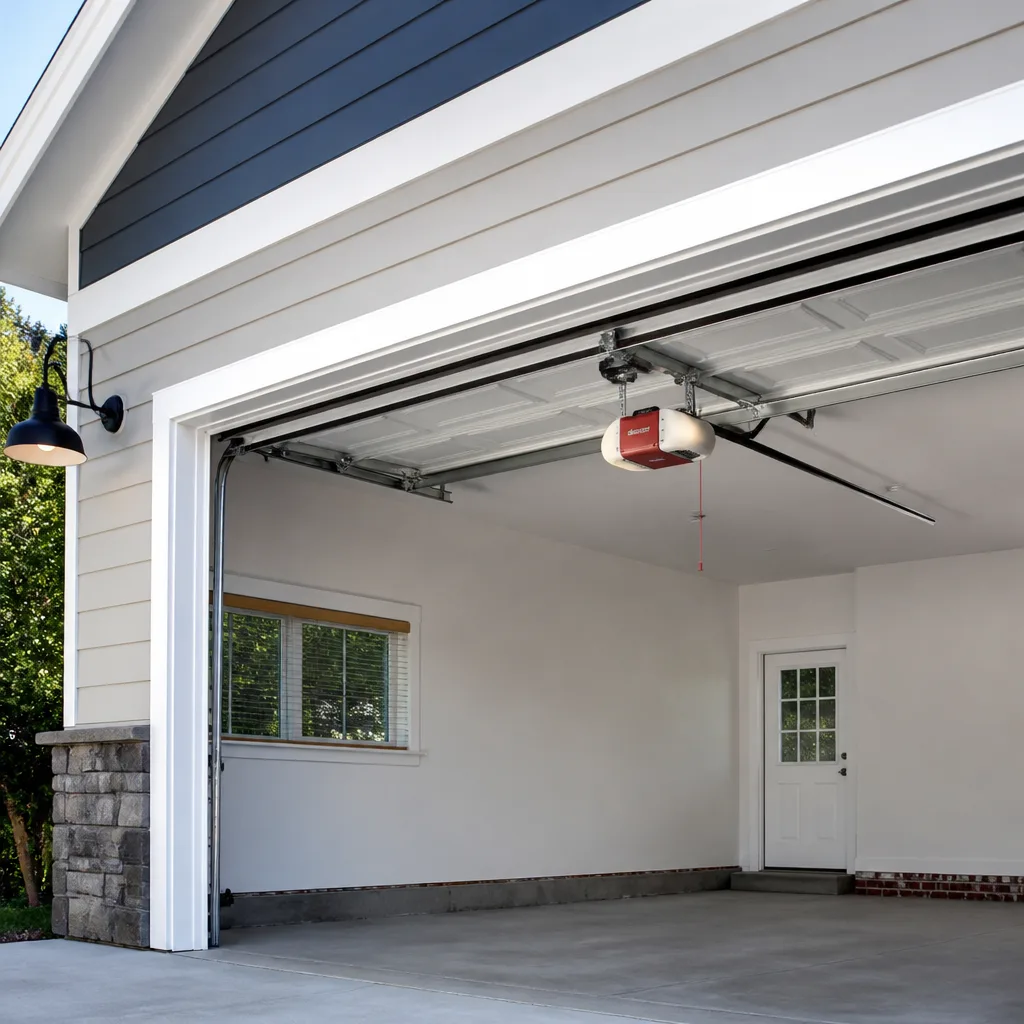 LiftMaster openers
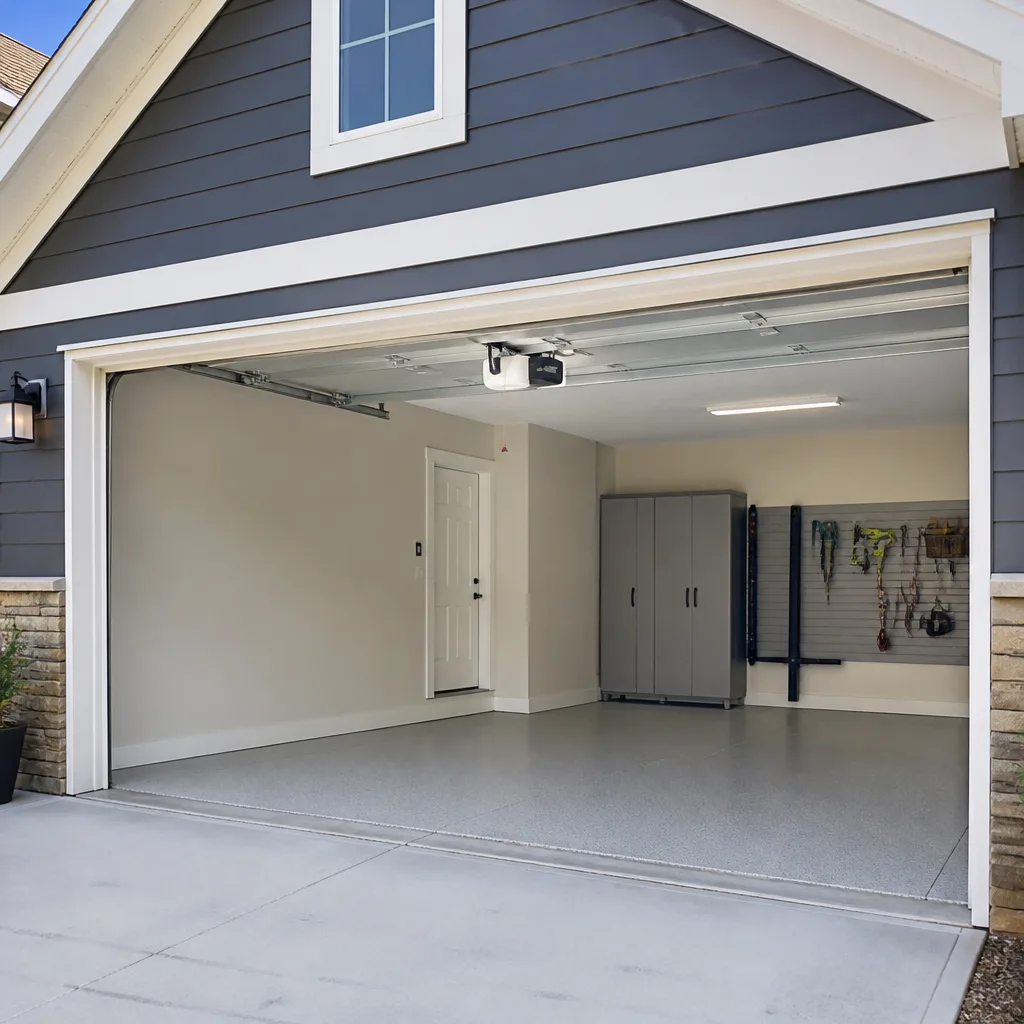 Chamberlain openers
Full 25-point door and opener safety check with every visit - springs, cables, rollers, tracks, and your LiftMaster or Chamberlain opener included
You get a price before we start. It does not change when the pro arrives.
Get your free estimateHow to Hire a Garage Door Contractor in St. Charles: A Step-by-Step Guide
Most homeowners hire a garage door contractor the same way they hire a pizza place: they glance at a star rating and call the first number. That works for pizza. It doesn’t work for a torsion spring under enough tension to lift a two-hundred-pound door. Here’s the part that surprises people in St. Charles: Missouri doesn’t require a specific license to do garage door work. No state exam, no trade credential, no registry. Which means the person quoting your spring replacement could be a career specialist who’s done thousands of them, or someone who watched a couple of videos and bought a winding bar. Your questions are the only filter. This guide gives you those questions, plus what a real written estimate should itemize, how to verify insurance properly, and the trade-specific red flags that reviews alone won’t catch.
Styles & brands we work with
- Raised-panel steel
- Carriage house
- Modern flush
- Full-view glass
- LiftMaster openers
- Chamberlain openers
Quick Answer
To hire a garage door contractor in St. Charles, ask five technical questions (spring sizing, cable drum type, opener compatibility, spring cycle rating, and how they handle balance), demand a written estimate that itemizes spring wire diameter, drum size, and cable gauge, and verify both general liability and workers’ compensation coverage before anyone touches your door. Because Missouri has no dedicated garage door license, screening through technical questions matters more than checking a credential database. Specialists who work only on doors answer these in seconds; generalists and inexperienced operators hesitate.
Table of Contents
- Why Hiring a Garage Door Contractor in St. Charles Is Riskier Than You Think
- The Five Technical Questions to Ask Before You Book Anyone
- What a Legitimate Written Estimate Should Itemize
- How to Verify Insurance (and What to Ask For)
- Red Flags Unique to the Garage Door Trade
- Manufacturer-Authorized Dealer vs. Independent Technician
- What St. Charles Weather Does to Your Door
- What Garage Door Work Typically Costs in St. Charles
- Common Mistakes to Avoid
- When to Call a Professional
- Frequently Asked Questions
- The Bottom Line
Why Hiring a Garage Door Contractor in St. Charles Is Riskier Than You Think
Start with the licensing situation, because it changes how you should shop. Missouri regulates electricians, plumbers, and other trades, but garage door installation and repair isn’t a licensed category at the state level. The City of St. Charles has its own permit rules for structural work and some installation projects, and you can confirm what applies to your job by calling the city’s building department directly. What you won’t find is a state-issued garage door contractor license to look up.
What does that mean in practice? It means every filter you’d normally rely on is gone. There’s no exam proving the person knows the difference between a torsion and an extension spring. No bond requirement weeding out careless operators. No continuing education keeping anyone current on the newer opener systems.
St. Charles has another wrinkle: the housing stock runs the full range. Older neighborhoods near Historic Main Street have doors and hardware from decades past, while the newer subdivisions off Jungermann Road and out toward Harvester have modern sectional doors with belt-drive openers. A contractor who mostly installs new equipment in new construction may be lost on a vintage door with obsolete cable drums. A true specialist handles both ends of that spectrum without a learning curve.
This is exactly why specialization matters. Garage doors are all we do at St. Charles Garage Door Repair Pros, which means the person at your door has solved your problem before. But you should still verify that, and this guide shows you how. Reviews tell you whether someone showed up on time. They don’t tell you whether the tech used the right spring gauge. That’s the gap we’re closing here.
The Five Technical Questions to Ask Before You Book Anyone
These are the questions that separate a career specialist from an operator guessing their way through your job. Ask them on the phone during the quote. You don’t need to know the answers yourself; you just need to hear whether they do. A real garage door technician answers in about fifteen seconds each. Someone inexperienced will hedge, deflect, or give you a generic answer.
1. “What spring did you spec for my door, and why that one?”
Torsion springs are sized by two numbers: wire gauge and inside diameter, and the combination determines lifting capacity and cycle life. A contractor who asks about your door’s width, height, weight, and material before answering is doing it right. One who quotes a flat price over the phone without asking about the door is either guessing or planning to upsell once they arrive.
2. “What cable drum type does my door use, and are you replacing it or reusing it?”
Cable drums come in different configurations and the drum sets the geometry, meaning the door balances properly when nothing was actually wrong with the drum.
3. “Is my opener compatible with the door if I change anything about it?”
If you’re changing spring size, adding weight, or going from extension to torsion, the opener lift capacity matters. A specialist will confirm your LiftMaster or Craftsman unit can handle the door after the change. A generalist often doesn’t think about it.
4. “What cycle rating are you using for the replacement spring?”
Spring cycle ratings tell you how many open-and-close cycles the spring should last. Standard springs and high-cycle springs both exist, and the price difference is real. A specialist can quote both and explain the trade-off.
5. “How do you balance the door before you leave?”
A properly installed door should hold at roughly the halfway point with the opener disconnected. Ask a contractor how they verify balance, and listen for whether they mention disconnecting the opener, checking travel, and testing the safety reverse function. That last part is a safety item, and a real technician won’t skip it.
These five questions are the entire screening process, compressed. Ask them in one call and you’ll know within minutes who you’re dealing with. If the answer is “we’ll figure that out when we get there,” book someone else. When the door finally needs garage door repair, the diagnosis at the start is the whole job.
What a Legitimate Written Estimate Should Itemize
An estimate that says “labor and parts” tells you nothing. It also leaves the door open for the invoice to land well north of the quote, because “parts” can mean anything. A proper written estimate on garage door work itemizes the actual components. Here’s what should appear on it.
- Spring wire diameter and length for replacement springs, plus the cycle rating if you’ve chosen a higher-cycle option.
- Inside diameter of the spring, which determines whether it fits your shaft. This is not the same as wire size.
- Cable gauge for any cable replacement. Cables come in different ratings and a thinner cable on a heavier door is a failure waiting to happen.
- Drum size or type if drums are being replaced or reused.
- Opener model if opener work is involved, plus whether the new unit is belt-drive, chain-drive, or screw-drive, and what horsepower.
- Labor as its own line, not bundled into a parts number.
- Disposal of old hardware, if the business charges for it. Better to see it upfront than find it added at the end.
- Total price and stated payment terms, in writing, before any work begins.
The critical clause: a written estimate should be a firm number, not a starting point. When you’re considering garage door spring repair, ask directly whether the estimate is the final price assuming the door is in the condition you described. If the answer is anything other than “yes, or we call you before changing it,” keep shopping.
One more thing to check: a written estimate should be in your inbox or hand before the technician starts. Not after. Not “once we get it into the system.” Before. If someone starts winding a spring without a signed or acknowledged estimate, that’s a problem.
How to Verify Insurance (and What to Ask For)
This is where a lot of homeowners get only half the answer. “Are you insured?” is the wrong question. Ask for these two specific coverages.
- General liability insurance. This covers damage to your property, your door, your car, your siding, if something goes wrong. Ask for a certificate of insurance naming the business. Any legitimate operation has one.
- Workers’ compensation insurance. This covers the technician if they’re injured on your property. If someone gets hurt working on your door and they aren’t covered by workers’ comp, you can be drawn into a claim as the property owner. This is the coverage homeowners most often forget to ask about.
What to ask for specifically: “Can you send me your certificate of insurance showing both general liability and workers’ comp?” Don’t accept a verbal yes. Don’t accept a screenshot on a phone. Request the actual certificate, which is the standard document insurers issue. If someone hesitates or says their insurance is “handled by the office,” pause the booking and follow up in writing.
One nuance on the garage door trade: on a one-person operation, the operator may be exempt from carrying workers’ comp for themselves depending on their business structure. That’s not automatically a red flag, but you should know who’s showing up and whether they’re covered for what they’re doing. On a job involving high-tension springs, this matters. Ask, and don’t be shy about it.
Red Flags Unique to the Garage Door Trade
Reviews won’t catch most of these because they’re specific to how garage door work is often mis-sold. Here’s what to watch for.
- Suspiciously low spring quotes. Spring replacement involves genuinely dangerous work with real material costs. If a quote comes in dramatically lower than every other one you got, it’s either a different (lighter) spring than what your door needs, or it’s a bait price that becomes a “must upgrade to lifetime springs” pitch once the technician is in the driveway. Ask for the specs upfront to compare apples to apples.
- Refusal to quote over the phone. For straightforward repairs like a broken spring or a noisy opener, a specialist can give a good-faith range over the phone for a bill you haven’t hired them for yet. “We have to come out to quote” is a sales tactic in this trade, and it wastes your time.
- “Lifetime” springs that sound almost too good. Higher-cycle springs are real and worth the cost for many homeowners. But “lifetime” claims without a cycle rating on paper are marketing language, not engineering. Ask for the stated cycle count.
- No mention of the safety reverse test. On any repair involving the opener, a real technician tests the safety reverse. If nobody mentions it in the whole conversation, be alert.
- Pushing a full replacement when repair is viable. Sometimes replacement is the right call. Sometimes it’s an upsell. A specialist will walk through why repair works for your specific door, or why it doesn’t.
- No written estimate before the work. If someone is willing to start winding a spring or disconnecting your opener without a signed or acknowledged quote, walk them back out.
These are trade-specific red flags, and they survive right alongside glowing reviews. Screening is your protection.
Manufacturer-Authorized Dealer vs. Independent Technician
Here’s a distinction that affects your quote more than most homeowners realize. A manufacturer-authorized dealer is formally certified by one brand, typically Clopay, Amarr, Wayne Dalton, or Raynor on the door side, and often LiftMaster or Chamberlain on the opener side. An independent technician works across all of them but isn’t formally tied to any single one.
When a dealer relationship is the right call:
- New door installation. If you’re buying a new Clopay or Amarr door, a factory-authorized dealer has direct warranty support and the specific installation training the manufacturer requires.
- Warranty claims. If your door or opener is under a manufacturer warranty and the failure is a manufacturing defect, the authorized dealer channel usually has an easier path to getting it covered.
When an independent specialist is the better choice:
- Mixed-brand homes. Plenty of St. Charles homes have a Clopay door paired with a LiftMaster opener and a third-party drum assembly. An independent tech who works all eight major brands daily handles that in one visit. A brand-locked dealer may not.
- Older or obsolete hardware. Independent technicians are more likely to have seen a specific older system before and know the workaround. Familiarity across all eight major brands matters here.
- Repairs where the brand isn’t the issue. A snapped spring is a snapped spring, regardless of who manufactured the door above it.
We work on Wayne Dalton, Craftsman, Raynor, and LiftMaster systems every day, and the doors they sit on from Clopay or Amarr, which means no learning curve on your dime. But you should still ask whether a contractor handles your specific equipment before booking. If they hesitate, that tells you something.
What St. Charles Weather Does to Your Door
Garage doors age under thermal cycles, and St. Charles has a lot of them. Summers run hot and humid, winters swing below freezing, and the spring and fall transitions produce the widest daily swings. Every one of those cycles works on the metal of your springs and cables, contracting and expanding them by a fraction at a time.
What that means for your door:
- Spring fatigue happens faster here. Standard-cycle springs wear within their expected lifespans under this temperature load. If you’re replacing a spring, this is the argument for choosing a higher-cycle replacement once, rather than the standard option twice.
- Lubrication matters in late fall. A quick application of a proper garage door lubricant on the springs, hinges, and rollers before the first hard freeze reduces wear through winter and cuts noise. It’s a five-minute job you can do yourself, unlike spring work.
- Cable and drum wear accelerates in humidity. If your cables are fraying or rusting, that’s not cosmetic. Ask about gauge and replacement during any service visit.
- Opener strain in cold weather. Cold grease in older openers works harder, which is why a lot of opener failures show up in January. If your opener is straining, address it before the first freeze, not after.
A specialist in St. Charles knows this seasonal pattern and factors it into what they recommend. A generalist may not. If you’re replacing a garage door opener, ask what model they recommend for St. Charles winters specifically.
What Garage Door Work Typically Costs in St. Charles
These are typical estimated ranges for the St. Charles market, not quotes. The written estimate you receive sets the final price, and the price is quoted and agreed before any work begins. Use the list below as your budget check when comparing contractor quotes.
- Single torsion spring replacement: typically $180-$340
- Matched pair of torsion springs: roughly twice the single-spring price, typically $320-$620
- Extension spring replacement (per spring): typically $150-$280
- Cable replacement (per side): typically $120-$250
- Roller replacement (set of 10-12): typically $100-$220
- Opener repair (belt, gear, or logic board): typically $130-$280
- New opener installation: typically $350-$700 depending on the unit
- New single-car door installation: typically $900-$1,800
- New double-car door installation: typically $1,400-$2,800
These ranges reflect the St. Charles market specifically. Two things push cost up here: the older housing stock (vintage doors often need extra fabrication) and the climate cycle calling for higher-cycle springs. Neither is a sign you’re being overcharged; both are baked into the local estimate.
Whatever number you get, the written estimate should break down as described in the previous section. If a quote matches the range but the estimate doesn’t itemize, that’s still a red flag. Ask for the itemization before booking.
Common Mistakes to Avoid
- Hiring on reviews alone. Reviews tell you if someone showed up and was polite. They don’t tell you whether the technician used the right spring wire diameter. Ask the five technical questions before booking, regardless of the star rating.
- Skipping the insurance certificate. “Yes, we’re insured” is not the same as having a certificate in hand. Ask for both general liability and workers’ comp certificates. If a garage door job goes sideways and the technician is injured on your property, you want that workers’ comp in place.
- Accepting “labor and parts” as an estimate. This is a placeholder, not a quote. You want itemization for spring diameter, drum size, cable gauge, and opener model. Without those, you have no way to know what’s actually being installed.
- Calling for a quote on a Monday after a broken spring and letting the call center rush you. Do the screening questions even when you’re in a hurry. The stakes on spring work are high enough that a five-minute conversation is worth it every time. Emergency service is real, and a qualified contractor will still answer the technical questions under time pressure.
- Choosing the lowest spring quote without understanding what’s being installed. Spring prices vary partly because springs vary. A lightweight spring replacing a matched pair on a heavy door is not a value; it’s a premature failure. Compare specs, not just the bottom line.
- Assuming the opener is the problem when it’s the door. A lot of “the opener is dying” calls are actually a door that’s out of balance or a spring that’s given up. If you replace the opener without addressing the balance, the new unit will fail too. Have the door checked first.
- Attempting spring work yourself. Torsion springs under full tension can cause severe injury in an instant. This is one of the most dangerous repairs in a home, and it is not a DIY project, even for a competent handyman. Leave it to a trained technician.
When to Call a Professional
Some garage door issues are routine and can wait a few days. Others can’t. Call a professional now if any of these apply: you heard a sharp bang from the garage and the door won’t open (almost certainly a snapped torsion spring), the door is up but the car is trapped beneath it, the door comes down a few inches and reverses without warning, a cable is visibly frayed or hanging loose, the door is crooked or off-track, or your opener is making grinding noises with no lift. Each of these is a safety or damage risk, not a convenience issue.
Also call if the door is fine but you want it checked before it isn’t. A balance test, lubrication, and a quick check of spring condition takes a technician about twenty minutes and heads off a lot of failures. St. Charles Garage Door Repair Pros offers free estimates in St. Charles, and we can come look at whatever’s going on: call (877) 685-1815.
Frequently Asked Questions
Missouri doesn’t require a specific garage door contractor license, so there’s no state credential to look up. Instead, verify general liability and workers’ compensation insurance certificates, ask the five technical questions, and get a written itemized estimate. Your screening is the license. Call (877) 685-1815 for a free estimate with a specialist.
A single torsion spring replacement typically runs $180-$340 in St. Charles, and a matched pair usually costs about twice the single-spring price, in the $320-$620 range. The written estimate sets the final price and is agreed before any work starts. Call (877) 685-1815 for an exact quote; estimates are free.
Yes for genuine emergencies. Emergency garage door service is a confirmed offering, and we don’t make you wait until tomorrow if the door is stuck open and your home is unsecured, or it’s down and your car is trapped. Call (877) 685-1815 and describe what’s happening; we’ll book the earliest available and answer your technical questions before we get there.
No, not for a scheduled repair with a written estimate. The estimate you agree to is the price we work to. The only exception is if the door condition is different from what was described on the phone, at which point we call you before doing anything and get agreement on any change. You’ll never see an invoice bigger than the quote you approved. Call (877) 685-1815 for a free estimate.
An emergency spring repair is when the door is stuck open with the home unsecured, stuck closed with a car trapped, or has become a safety hazard. A scheduled repair is when the door still functions but the spring needs replacement on a normal timeline. Both are handled by trained technicians with the right tools; the difference is urgency, not technique. Call (877) 685-1815 and we’ll help you figure out which one you have.
The independent local professionals we connect you with are licensed and insured as their state requires, and we ask that they carry both general liability and workers’ compensation. Your job is to verify those certificates yourself before the technician starts work, and any legitimate operation in this trade should send them without hesitation. Call (877) 685-1815 and we can walk you through what to request.
The Bottom Line
Hiring a garage door contractor in St. Charles comes down to one idea: the absence of state licensing means you need to filter on technical competence, not credentials. Ask the five questions. Ask about spring sizing, cable drum type, and opener compatibility. Demand an itemized written estimate showing wire diameter, drum size, and cable gauge. Verify general liability and workers’ compensation with actual certificates. Walk away from anything that smells like a bait spring quote or a refusal to price a simple repair over the phone. Do these things and you’ll end up with a specialist, not a guess. If you want a contractor who already works this way, call St. Charles Garage Door Repair Pros at (877) 685-1815 for a free estimate.
Written by the team at St. Charles Garage Door Repair Pros.
See the difference
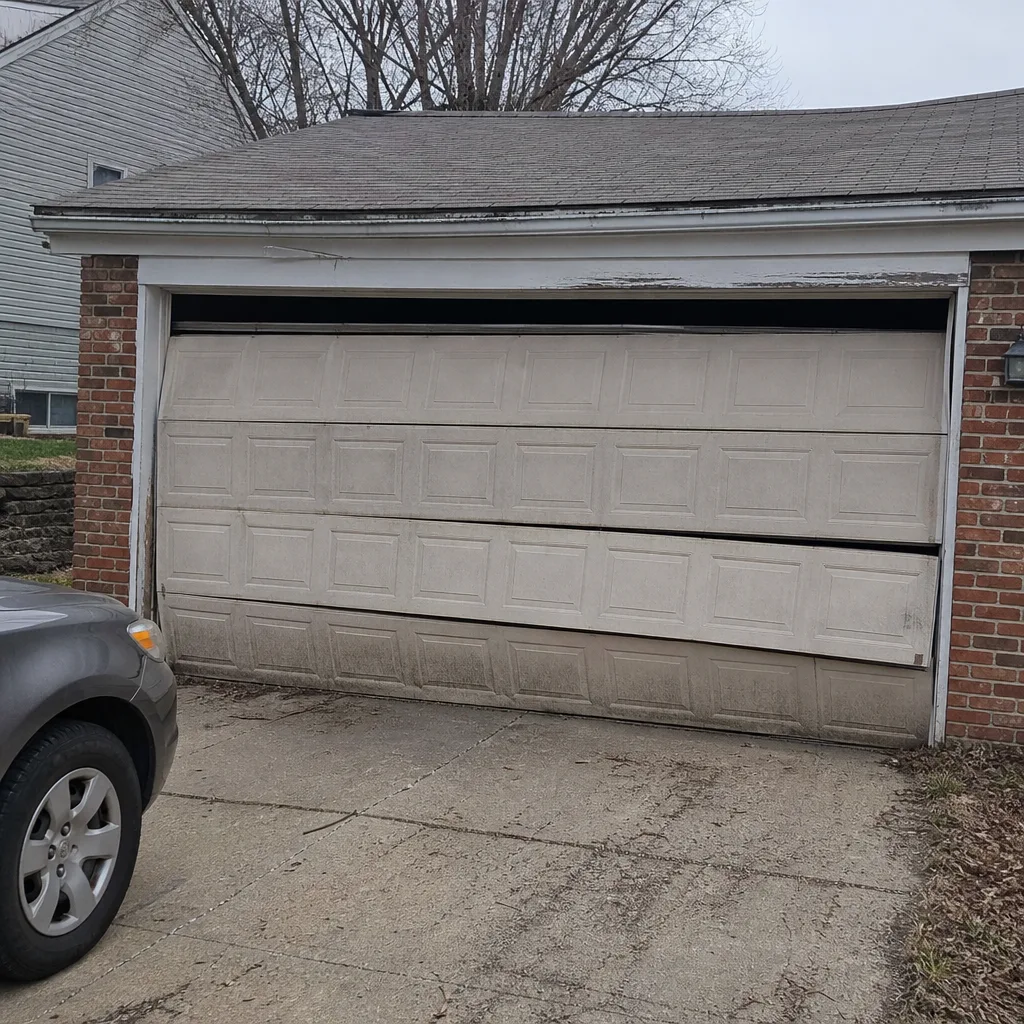 Before
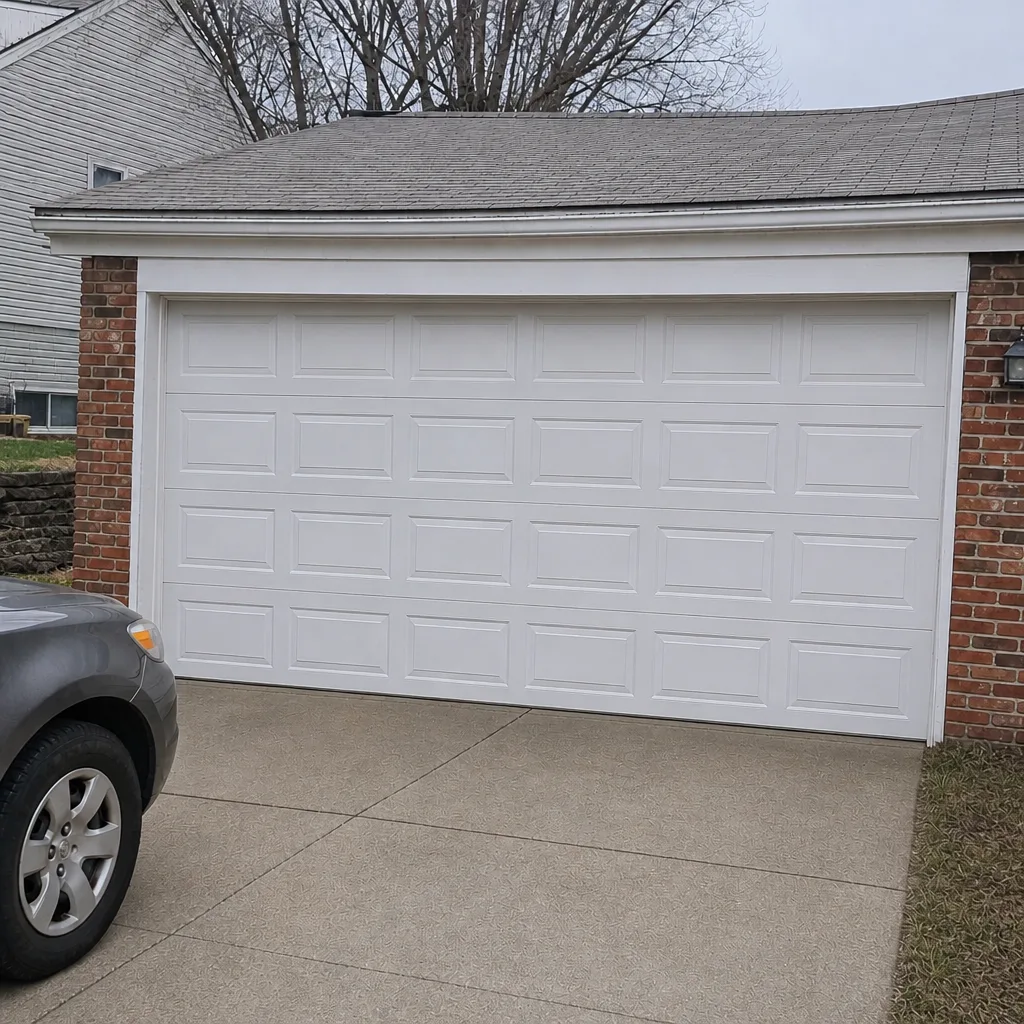 After
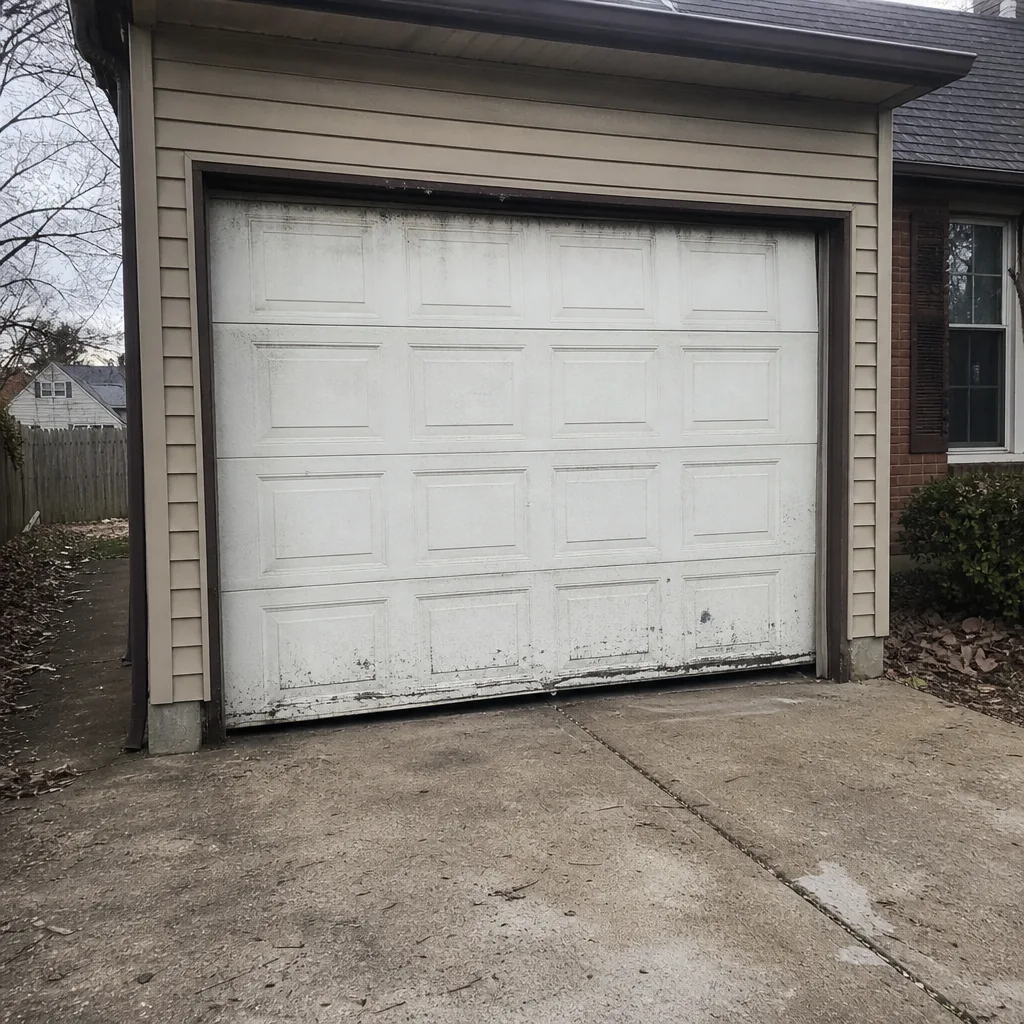 Before
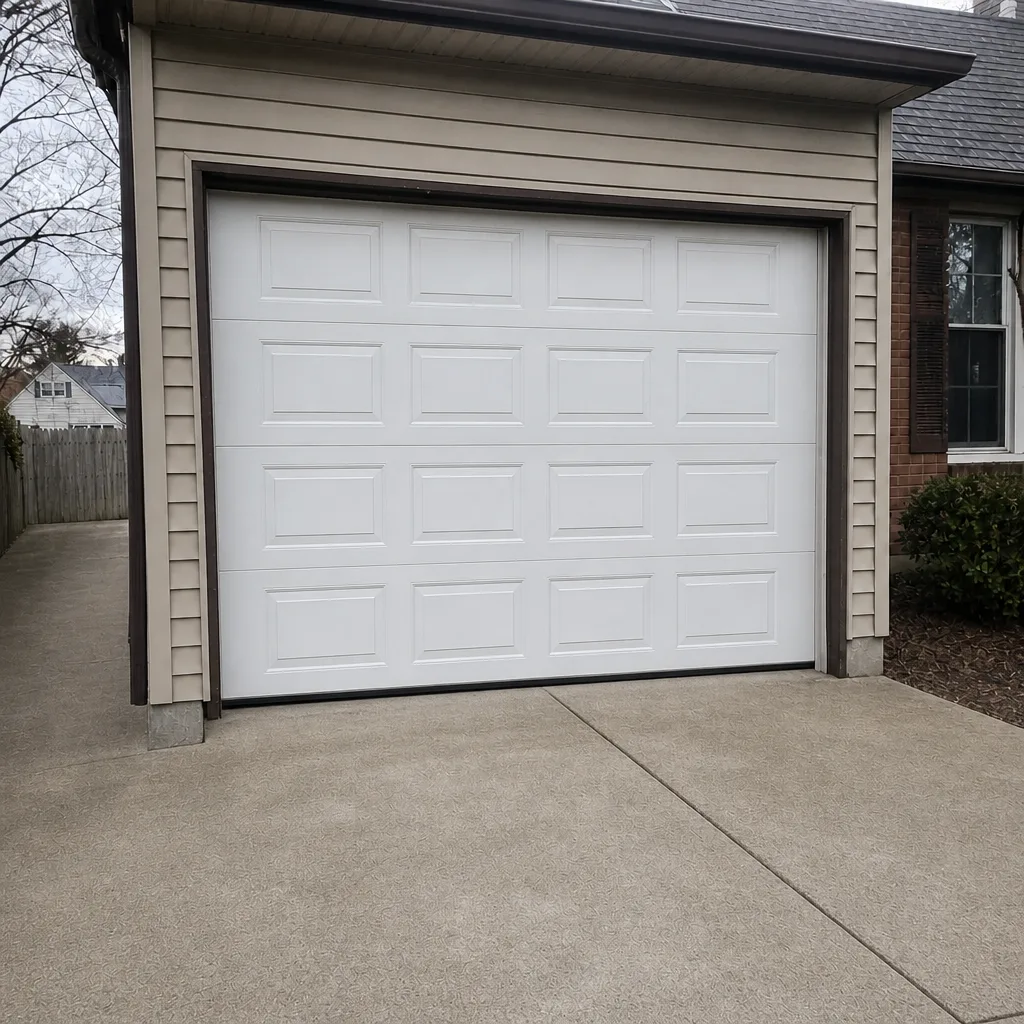 After
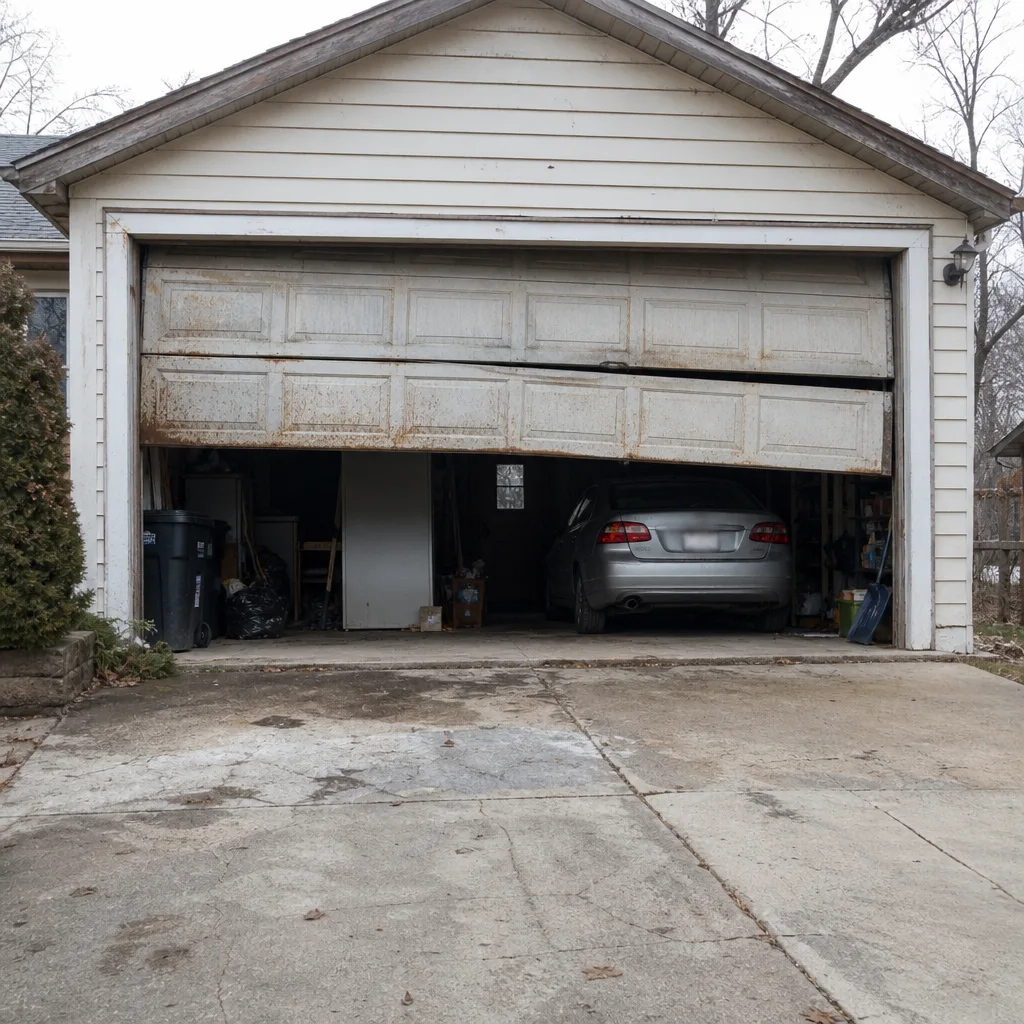 Before
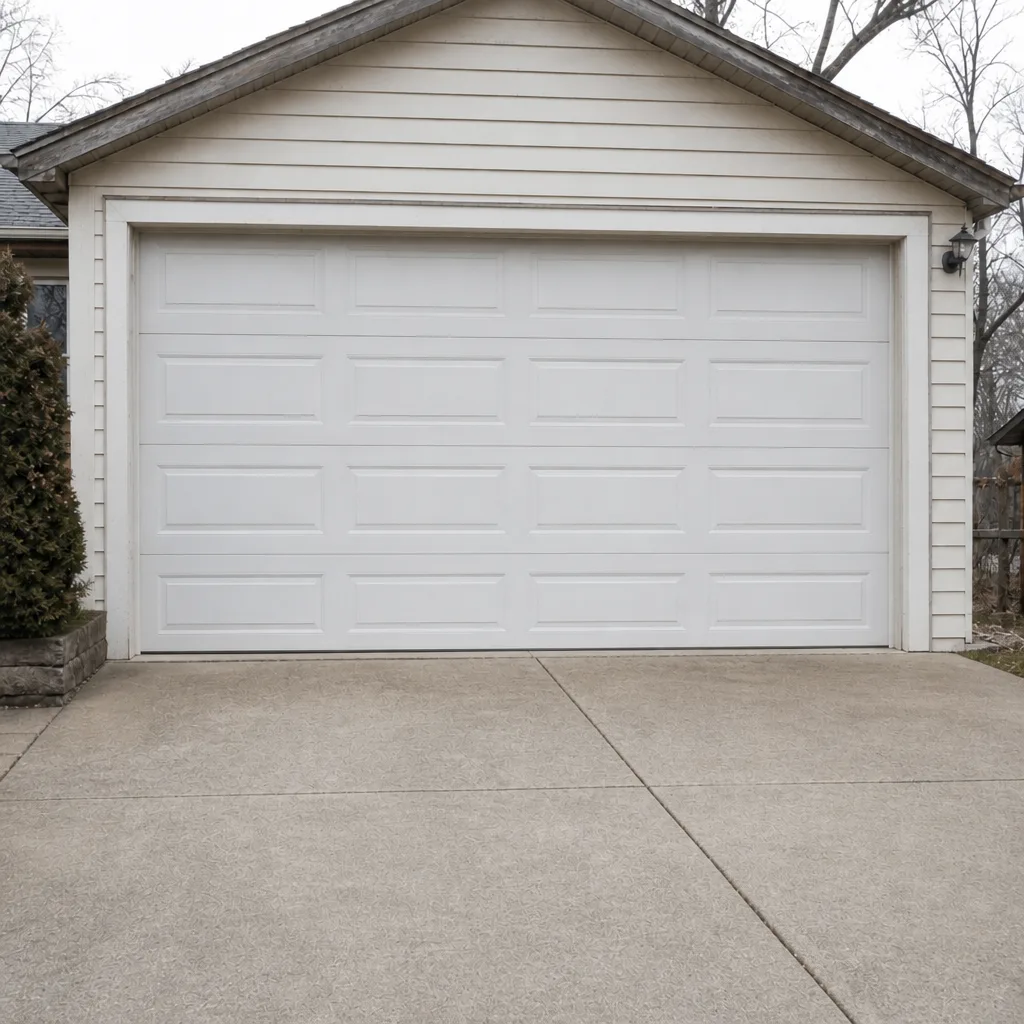 After